My apartment is about 10 minutes from the Rocky Mountain Arsenal National Wildlife Refuge. I’ve lived in this apartment for a year this month. I only recently learned it was there. Sometimes I can be a little oblivious.
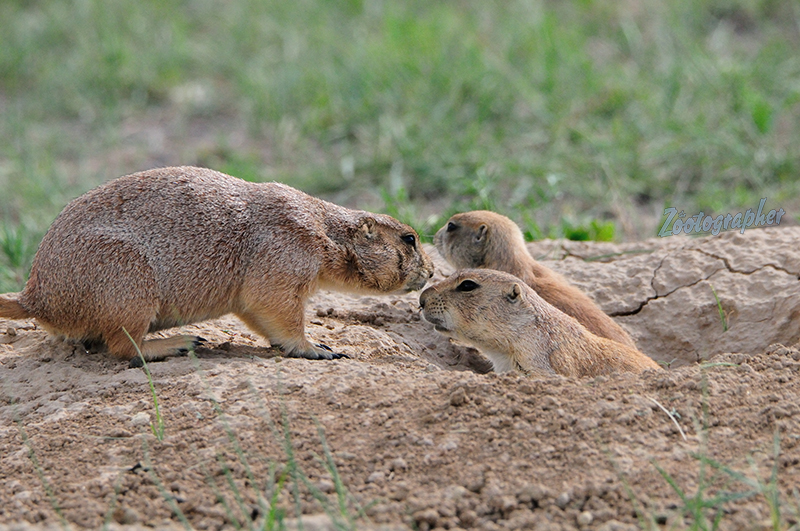
There’s a lot to be found there: deer, bison, eagles, hawks, and all sorts of rare animals. There’s also prairie dogs. Lots and lots of prairie dogs. And I don’t care how common they are, they’re stupid cute and I love them.
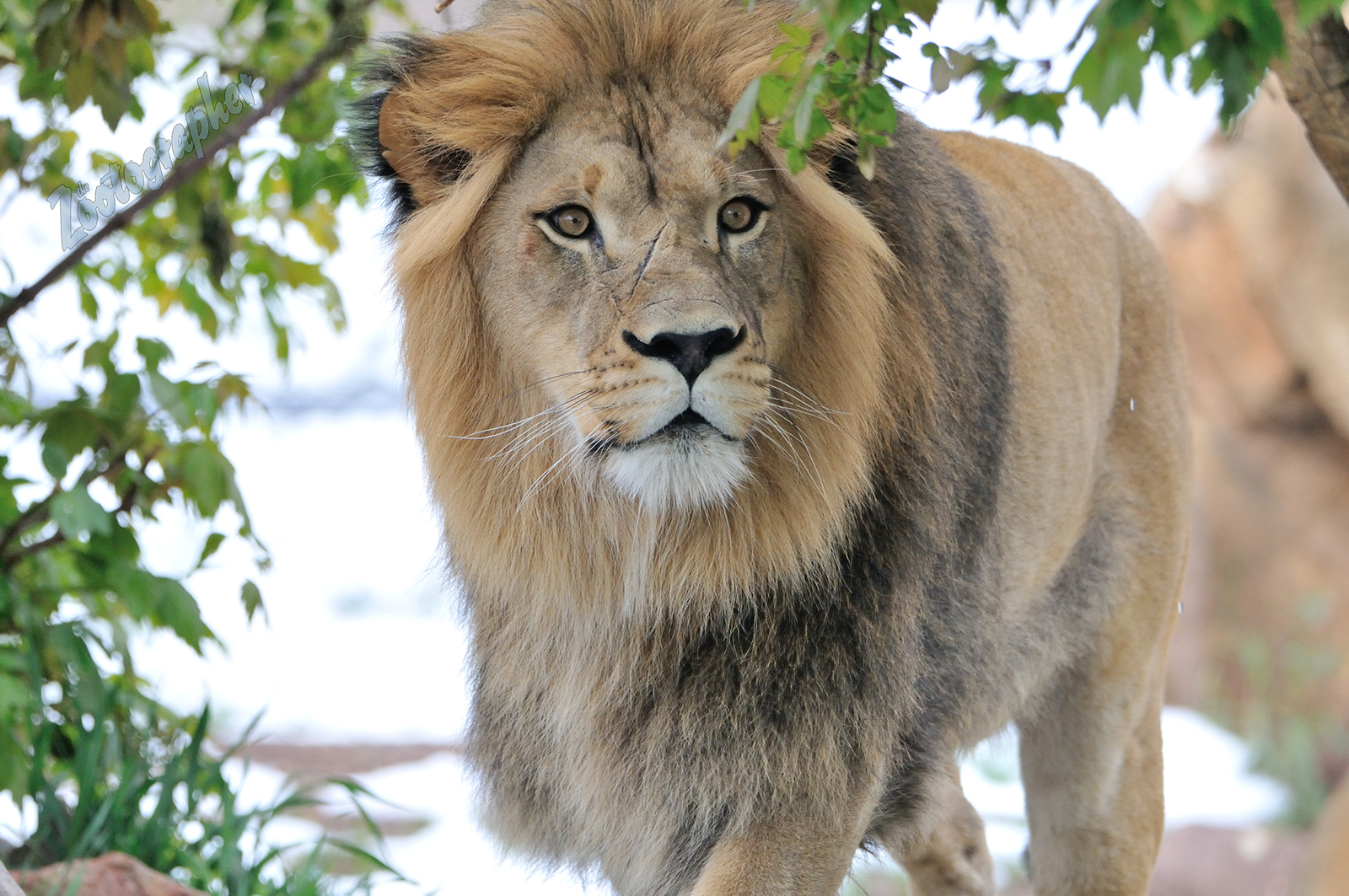
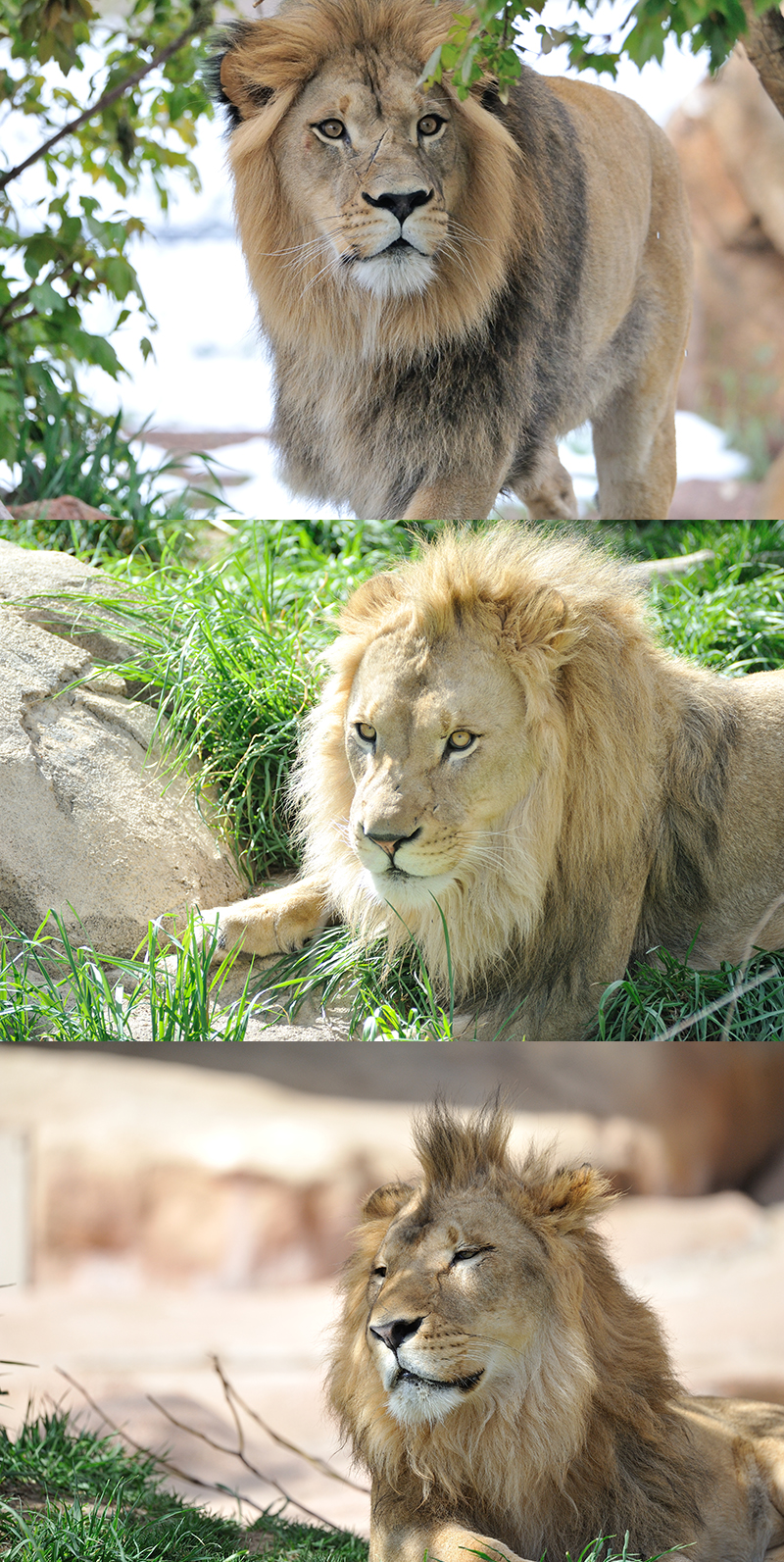
Tobias, Male African Lion at the Denver Zoo. 5/21/19. Nikon d300s, Tamron 150-600 g2
Snow in May? Welcome to Denver.
Tobias is Denver’s newest male lion, and he was recently introduced to the female pride as part of the Species Survival Plan. Spent a good hour hanging out at predator ridge with that group as the majority of the zoo had been closed down due to a pretty gnarly storm the night before.
Got a few good shots of him getting harassed by the ladies in his habitat, but the nobility he projected in this portrait just really stood out to me. The contrast of the African lion, the green leaves, and the snowy background… Such a handsome man!
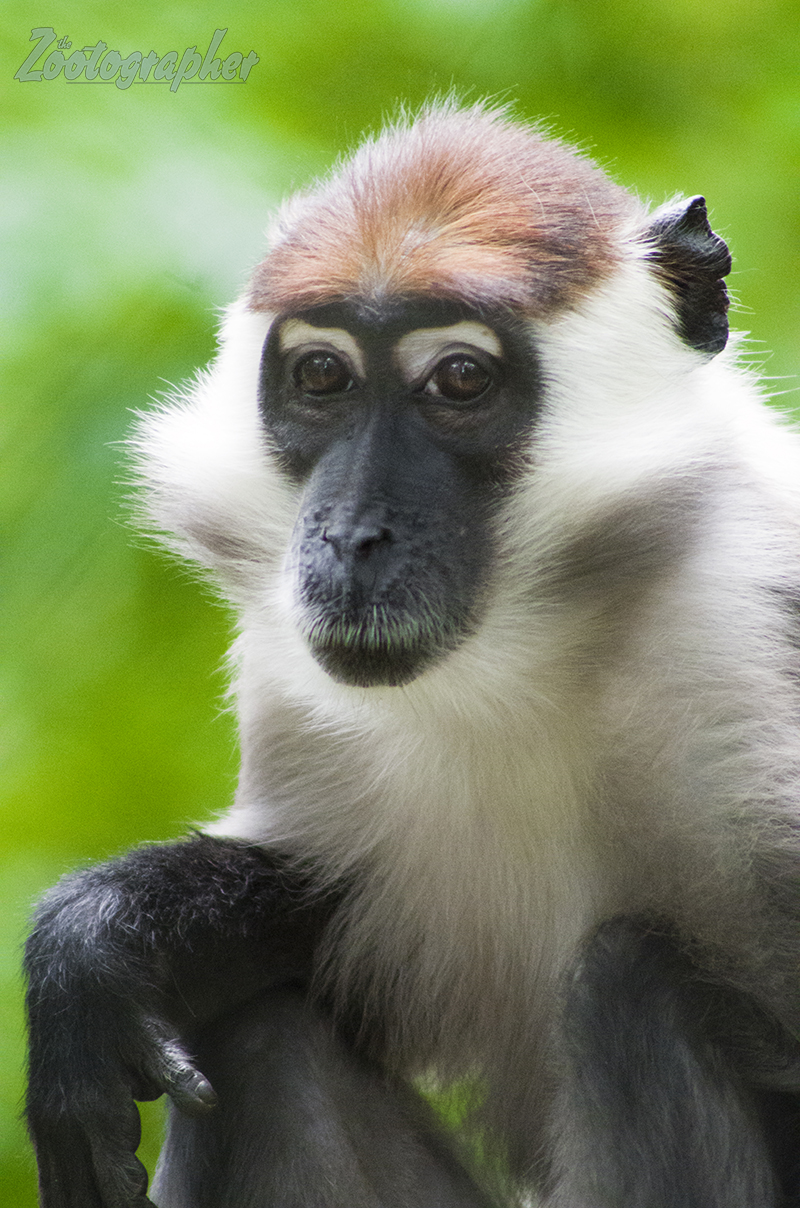
Red-Capped Mangabey at the Denver Zoo. 7/29/18. Pentax k-50, Sigma 400/5.6
I’ve labeled myself a zoological portraiturist. It’s a term I made up. It’s like when Toyota tells you their SUV is best-in-class: they made up the class, so it’s definitely the best. I’m the only zoological portraiturist, so I’m the best there is. That works, right?
Okay, yeah, probably not. Because as much as we know there are better SUVs out there, there are also people out there who are better at making portraits of animals. But still, there’s something just a little bit magical when the background blurs just right, the lighting is just where you want it to be, and the Mangabey in front of you just happens to be posing as if it were his senior portrait.
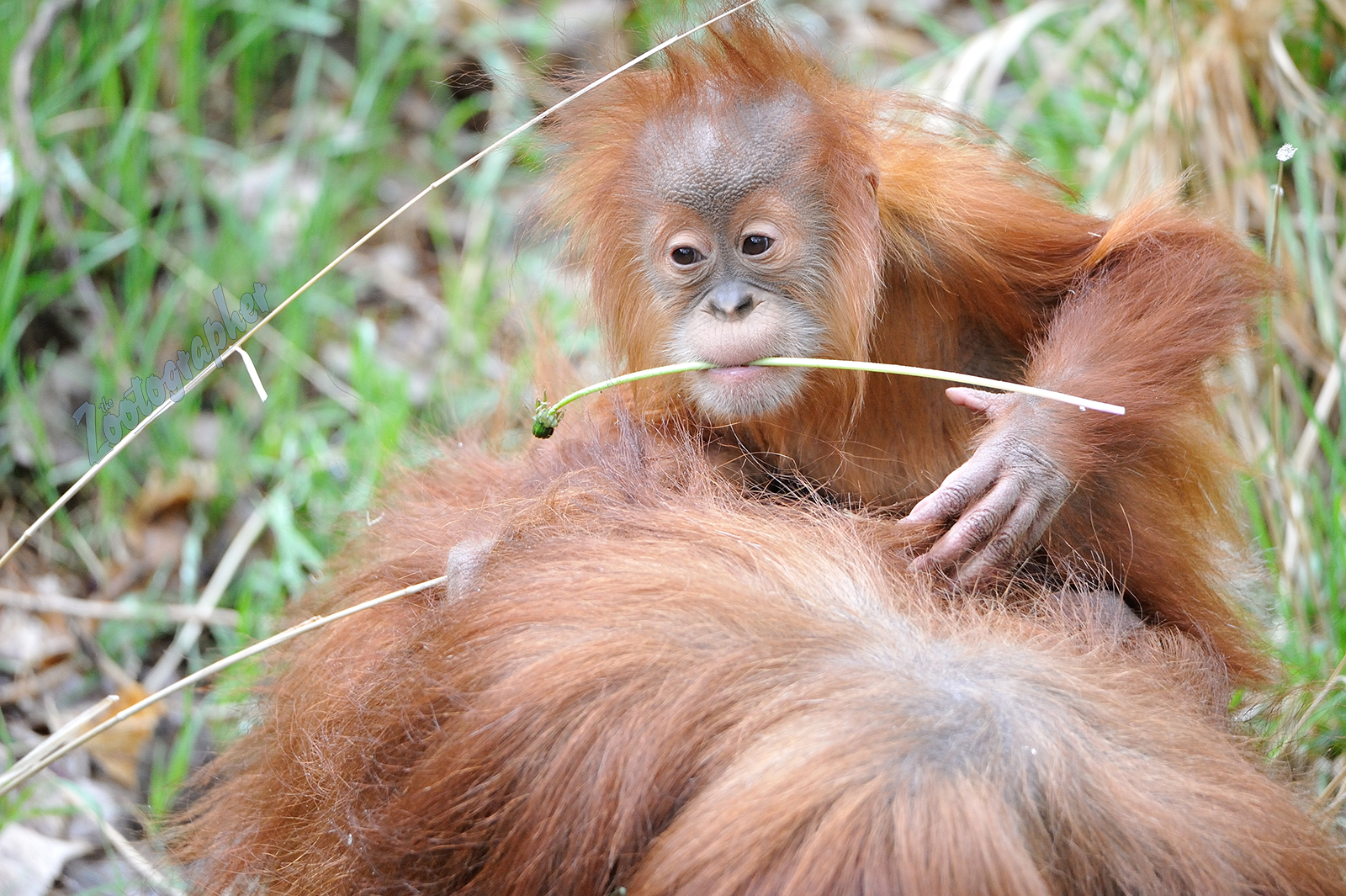
The earlier you can get to the zoo, the better. Cool and cloudy is what you want. Less people means the animals are a little less likely to be bored of you. Overcast skies are nature’s softbox. And a cool sprinkly day means you’re not fighting the crowds for the best angle.
That’s how it worked with this shot of Denver Zoo’s baby orangutan, Cerah, grasping on to mom’s back and sneaking snacks whenever they’re in arm’s reach. I had a good 20 minutes with nobody else around, just watching the whole family hop out and do some foraging. The overhead clouds created the beautiful light I needed for a shot of this beautiful baby girl.
Three lenses. One costs $300. one Costs $1300. One costs $13000. Which is which?
This is an expensive hobby; at least, it certainly can be. I bought my first DSLR about 13 years ago. A brand new Pentax k20d. I bought two lenses: a Pentax 50/1.4 and a Tamron 70-300. Those lasted me for a couple years. I eventually added on a cheap wide zoom and some old manual focus primes.
When I made the switch to Nikon this year, I knew a little better what I needed. I grabbed a 35-70/2.8, an 80-200/2.8, and a 400/5.6, all from the 90s. Hell, even the camera I bought when I made the switch was an 11 year old d700 instead of something new. You can do this hobby in an affordable manner if you know what you’re doing.
I then learned the value of modern autofocus systems and vibration control. I actually learned that the day that two of these three photos were taken. With my better paying day-job, it wasn’t *too* difficult to find some space in the budget for some more expensive upgrades. And I’m not gonna lie, those modern systems make my life easier. It makes it easier to make the pictures I *want* to make. But are they necessary?
You be the judge.
The three photos above are each taken with a 12mp sensor and are straight from camera. One of them is shot with a $300 lens. One with a $1300 lens. One with a $13000 lens. Obviously the lighting and angles are different. This is not a scientific study. If you want to dig into the science of optics, this is not the blog for you. I care about pictures, and most pictures are not seen at full resolution. Most pictures are not pixel peeped.
Which is which? Why do you think each one is what you think it is?
Better question: which lens is best?
I can answer that one, and I can do it without telling you which picture is which. The best one is the one you’ve got. If you can drop $13000 on a lens because you’ll make it back in licensing fees, go for it. If you can drop $13000 on a lens because your day job pays seven figures? Go for it. If you can only afford the $300 lens and want some wildlife reach? Go for it. For me, the $1300 lens is the sweet spot right now. It’s invigorated me creatively. But then again, so did the $300 when I bought it. And if I ever do have the need or the spare cash for that beastly Nikon 180-400 f/4, I’m sure that it’ll invigorate the hell out of me.
But yeah. The point of this post is not to sell you a lens. It’s to reaffirm something I’ve believed in since my first camera: take what you’ve got and go make pictures. For anyone with a smartphone in their pocket, money is not what’s stopping you from making pictures.
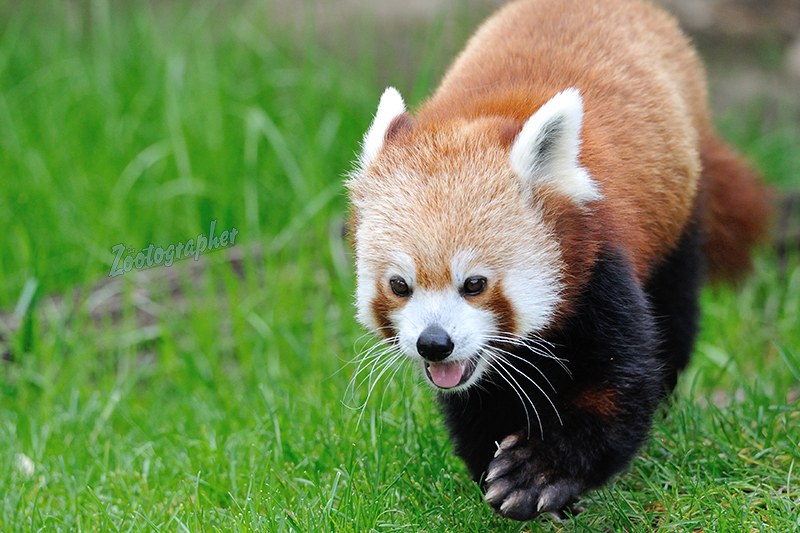
Tofu, female Red Panda at the Omaha Zoo. 5/12/19. d700, Tamron 150-600 g2
When I first started visiting the Denver Zoo, I was not as big of a zoo nerd as I am today. But – like all normal people – I had a soft spot in my heart for Red Pandas. Little did I know, I was introduced to the Denver Zoo right before the building in which their Red Pandas were kept was about to be closed for (much needed) renovation, and and most of the animals were scheduled to be moved to other AZA institutions.
So in doing research for the first big trip of my “visit the top 10 zoos in America” project, I knew a stop at the Red Panda habitat in Omaha was a necessity. I knew that after I saw the rest of the zoo, I’d be perching outside that habitat for an hour waiting for a chance to get the perfect photo of what is objectively the world’s most adorable creature.
Thankfully, I didn’t need to. This little girl, Tofu, seemed as excited to see me as I was to see her. A good solid twenty minutes was spent watching her explore and play in her habitat: climbing up and down trees, playing on every bridge, seemingly going into every good photo spot just because I was there.
Of the 1278 photos I took that day, about 300 were Tofu related. There were a lot of keepers, but this one turned out to be my favorite. The look of sheer joy on her face, it’s like a puppy who’s so happy you’re finally home from work. It perfectly captures the mood she seemed to set for the few people who stopped by to watch her.
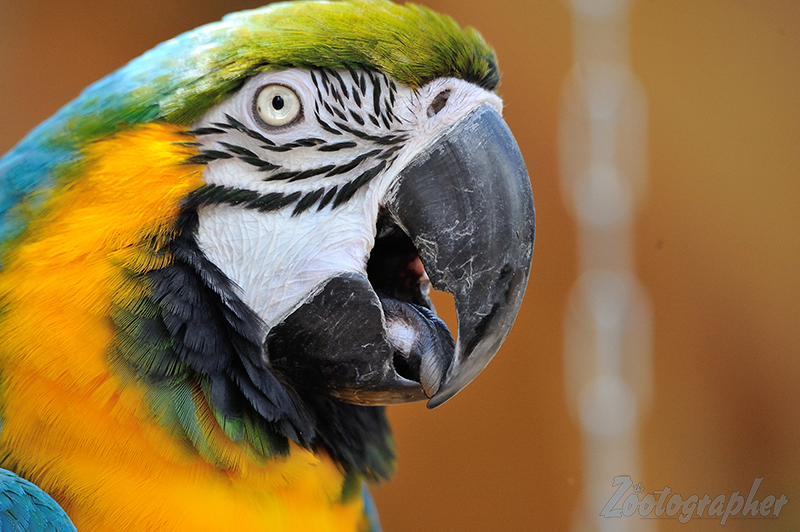
Blue-and-Gold Macaw at the Omaha Zoo. 5/12/19. Nikon d700, Tamron 150-600 g2
I love this portrait. I love the character you can see in the macaw. I love the detail the Tamron lens brings out. And I love the experience I had meeting this guy at Omaha’s Henry Doorly Zoo.
But what I love just as much as any of that is how easy it is to remember the names of macaw species. This one is blue and gold. It’s the Blue-and-Gold Macaw. You know the red and green ones? They’re the Red-and-Green Macaw.
I don’t know who named these guys, but give that dude a medal……… …….a blue and gold medal?
My normal habit when visiting a zoo on a busy weekend is to get there early, go to the back, and work my way forward. You get to dodge the crowds for about a third of your visit that way. That was the plan for the day that day, but it was a plan we broke pretty quickly. This shot makes me glad we broke it.
Their Lied Jungle exhibit is a massive open indoor rainforest where the habitats that can’t be open are generally built in such a way where they still look open. It’s been rated multiple times as one of the best zoological exhibits in the country and it’s not hard to see why.
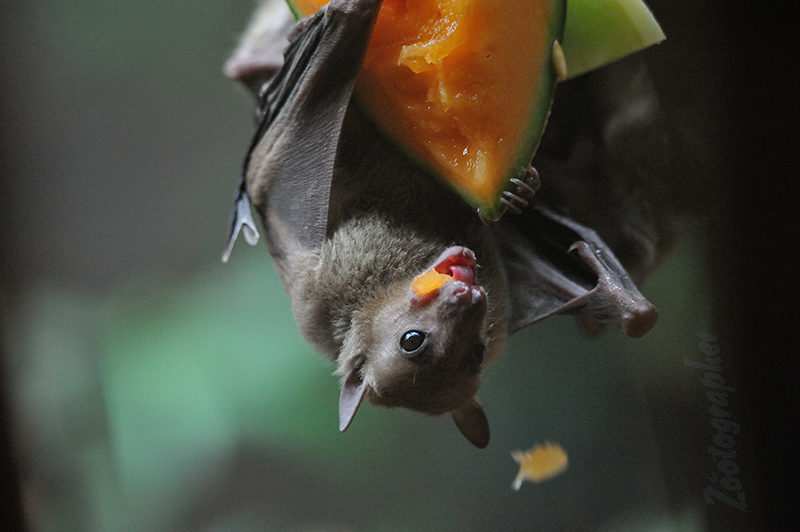
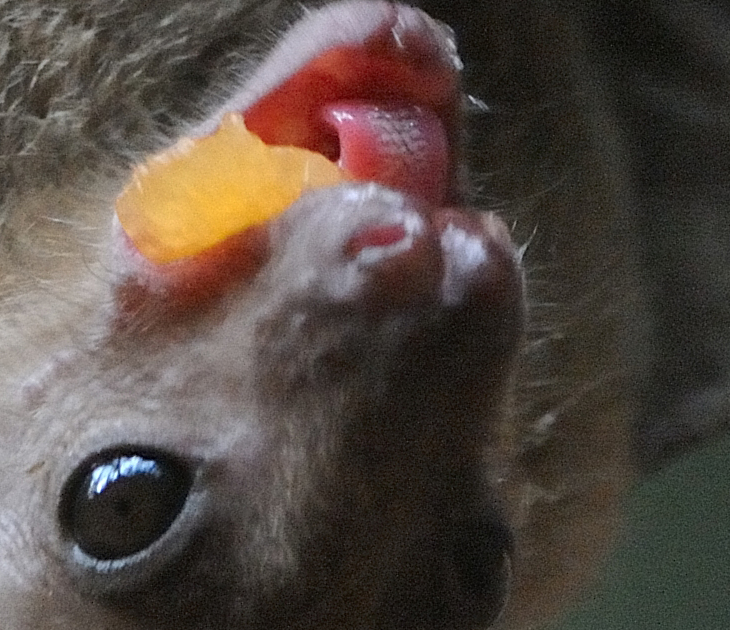
It’s right by the entrance and despite my plans to rush the back of the zoo, I couldn’t help but go in. After passing over the first bridge, we came to an opening in a cave that looked out on a colony of bats. Just as we were arriving, one of the animal care staff was hanging some fruit to give the free-flying fruit bats a treat. Slowly they started to pop over, see if they were interested, before clutching on and digging in.
The beauty of this shot is all thanks to the vibration control and incredible close focus distance on the Tamron 150-600 g2. This was not the most brightly lit part of the exhibit; was shooting around 1/250th. Which with a lens that starts at 150mm is not a lot of speed. In VC mode 3, the lens was theoretically giving me the same kind of shake-cancelling ability I’d have had without vibration control at 1/4000th. While it won’t stop motion of the bat, it didn’t need to. The detail on that tongue is what gets me (see the 100% crop below). The glisten on the fruit. The color in the eyes. And that fur that you just want to pet.
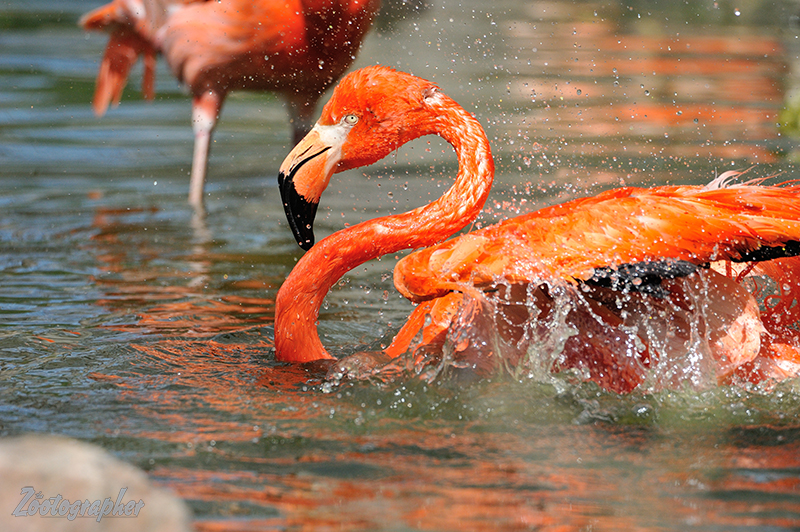
American Flamingo at Denver Zoo. 4/27/19. Nikon d700, Tamron 150-600 g2
I have an aunt who is obsessed with flamingos. She was the kind of person who filled her yard in the 90s with the plastic variety. I knew them mostly for their smell. Because they congregate in rather large flocks, their pools tend to get a little smelly even before you toss in the buckets of krill.
Evolutionarily speaking, they’re pretty nuts. They’ve evolved to fill a very specific niche: standing in shallow water and eating upside down. If you ever get a chance to get close to one, they’re also one of the softest feeling things you will ever feel.
Our local Mike’s Camera had an event at the Denver Zoo a few weeks ago. You show up, hand over your driver’s license, and get to play with their collection of cameras and lenses for the entire day. Anything from the latest point and shoot to this beautiful $13,000 monstrosity. My main goal was to test drive some lenses I had actually been considering adding to my kit this year, most notably the Nikon 105/2.8 Macro. But, come the end of the day, I did what everyone else did and asked if they had something big I could play with.
The Tamron rep handed over their 2nd generation 150-600mm superzoom. This lens wasn’t on my radar; The last time I had looked at a Tamron lens was about 15 years ago, buying a 70-300 step-up lens for my Pentax k20d. My “zoo lens” at the time was a 30 year old Sigma 400/5.6 prime, which – despite its atrociously loud autofocus drive – did great work. I didn’t think I had a need for something newer.
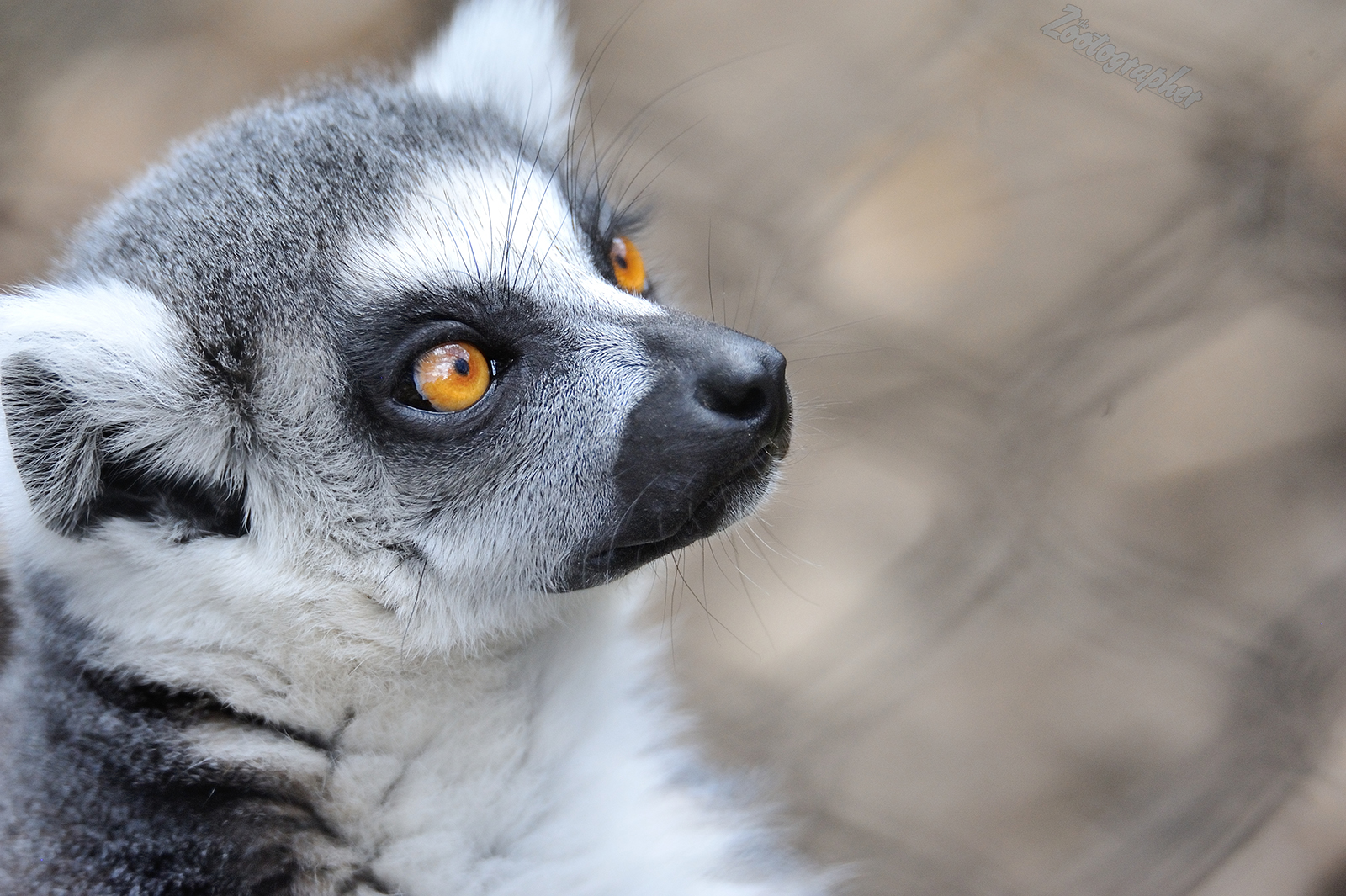
The shot of the lemur above is the third frame I captured after putting on the Tamron. I chimped the rear LCD after shooting that burst and immediately thought, even on the 11 year old LCD, “This is the prettiest picture I’ve ever made…”. My second thought: “I guess I need to find some money…”.
A week later, I was in Mike’s Camera Denver warming up a credit card. I stand by the belief that there’s nothing wrong with old lenses. The science of optics is ancient. The glass in that massive Nikon lens linked above is not all that different from the glass in the kit lens that came with your k1000 film SLR fifty years ago. But the advancements in autofocus technology, vibration reduction, and chemical lens coatings are something I’d been ignoring. It took this Lemur to show me that.
All that being said, you don’t have to have the newest gear. This was a conflux of getting to play with something new at a time that I had some spare space on the credit cards. This modern lens is still paired with an 11 year old d700. If you want to go out and make some animal photos, go out and make some animal photos. Gear is not going to stop you. At some point in the near future, I’ll probably do some comparisons of various price-pointed lenses. Spoiler alert, here’s the outcome: If you can afford the more expensive one, get the more expensive one. If you can’t, get the cheap one and make great photos.
 The Zootographer