OneRoll: Dallas and Fort Worth Zoos – Ektachrome E100

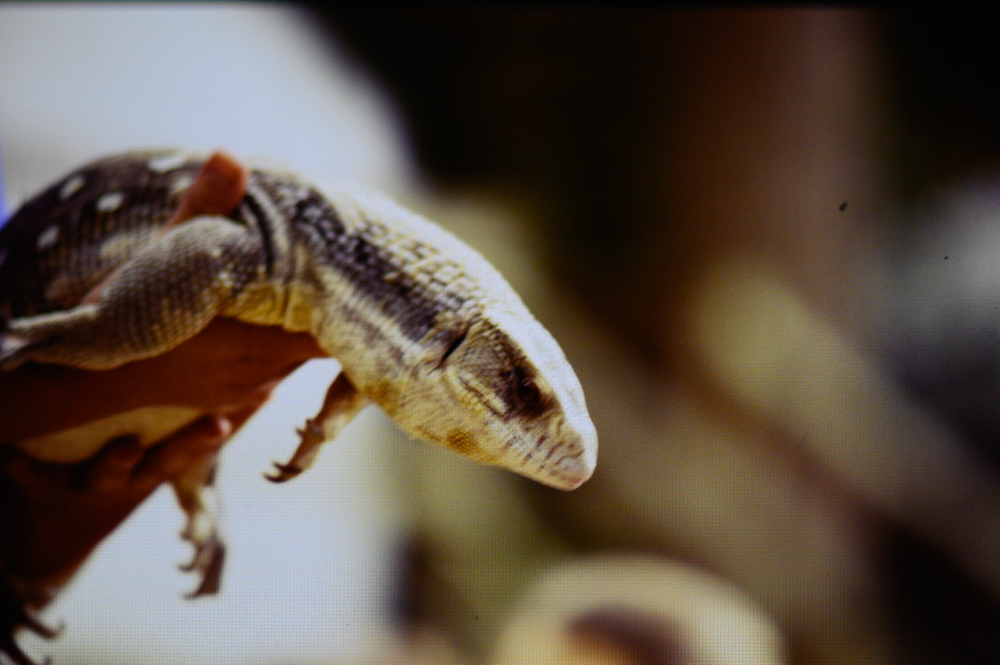
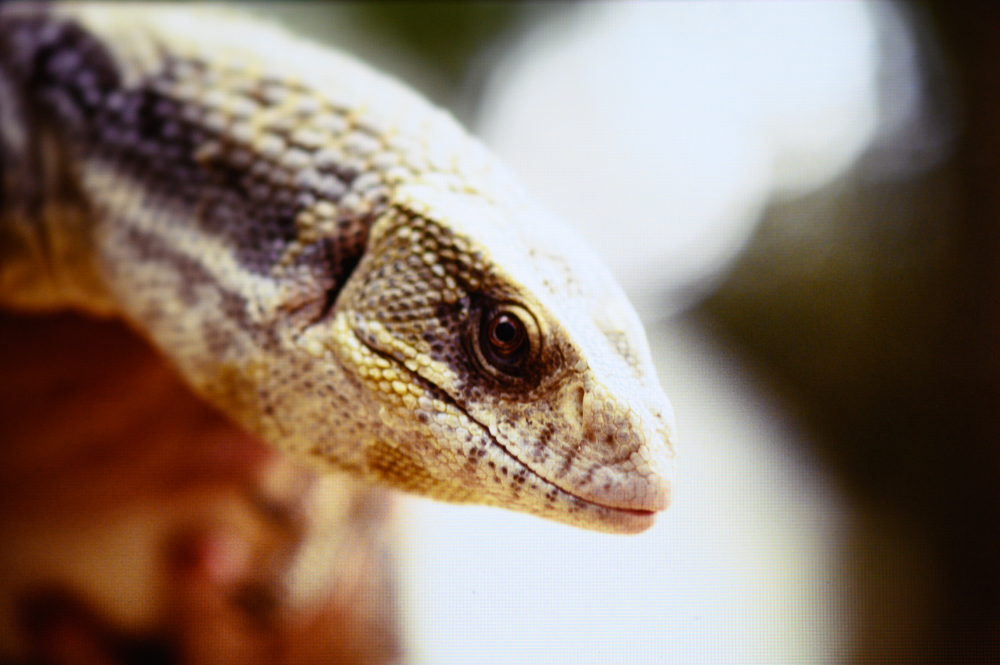
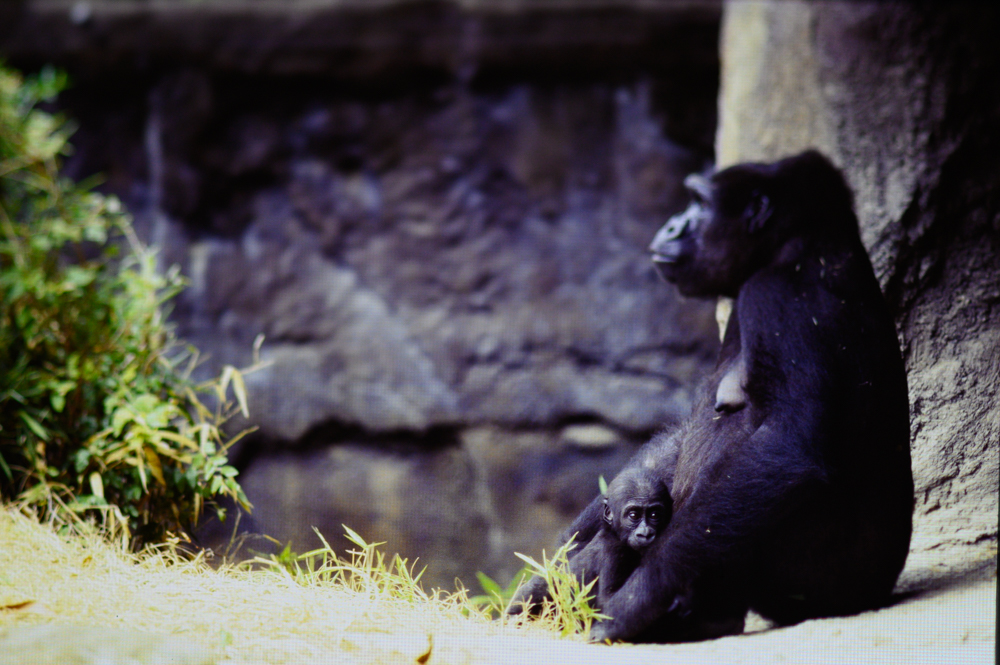
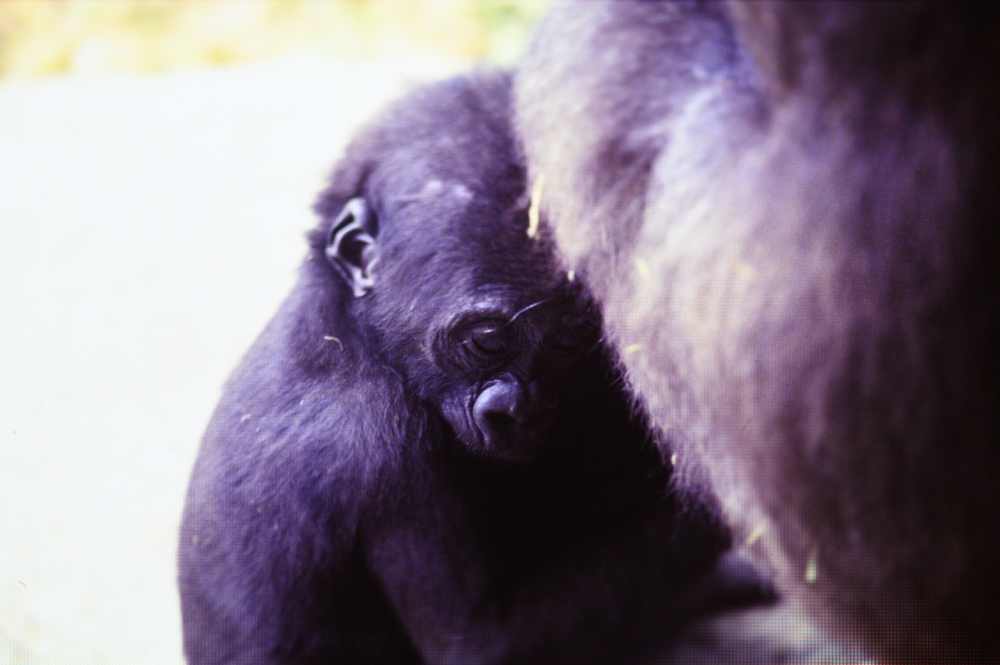
It took long enough, but I finally got around to digitizing my slides from last August’s visit to the Dallas and Fort Worth zoos. As much as I love Mike’s Camera, they never actually sent me the scans when they processed these, nor after I told them I hadn’t received the scans and they said they’d resend them. So having just bought the Nikon 105/2.8g macro lens, I took it upon myself to digitize them; to mixed results. Still, when I look at the very first two images on the roll, I have a hard time complaining. This little cutie and her mama were utterly beautiful, and the Ektachrome rendered them wonderfully.
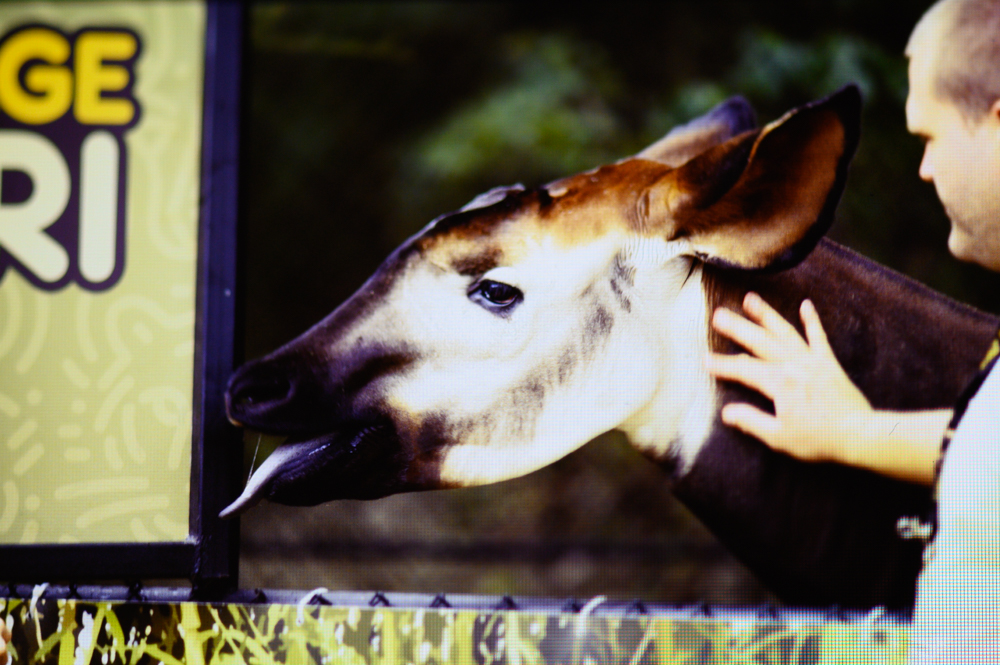
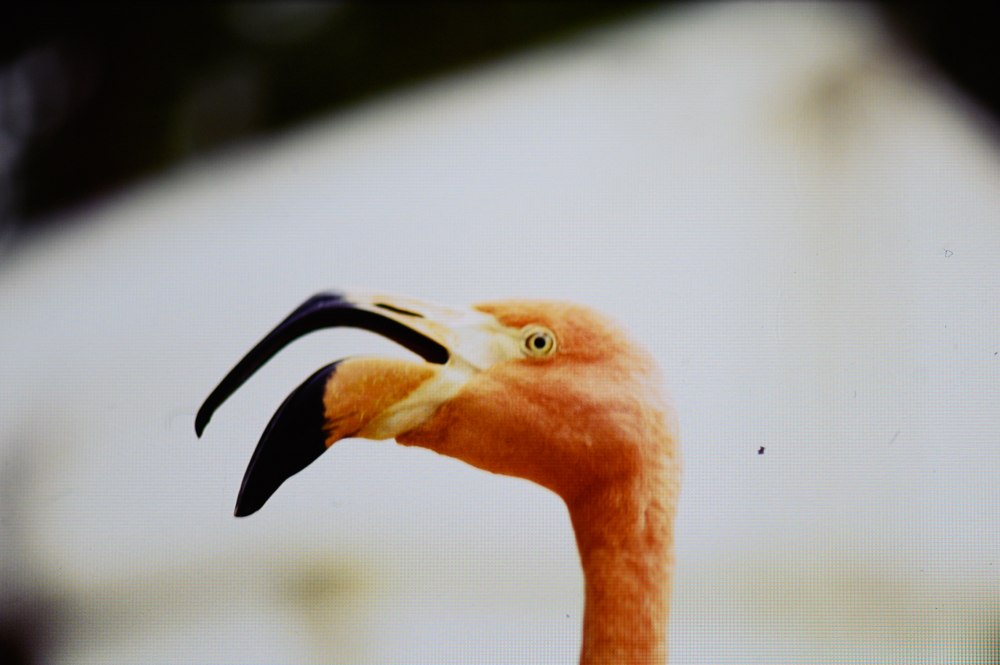
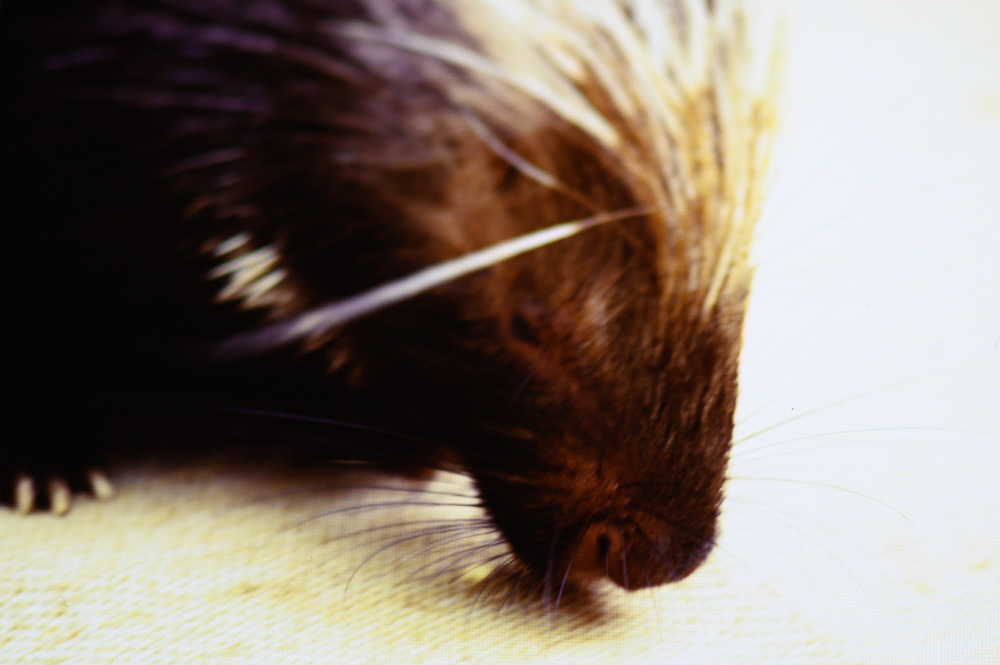
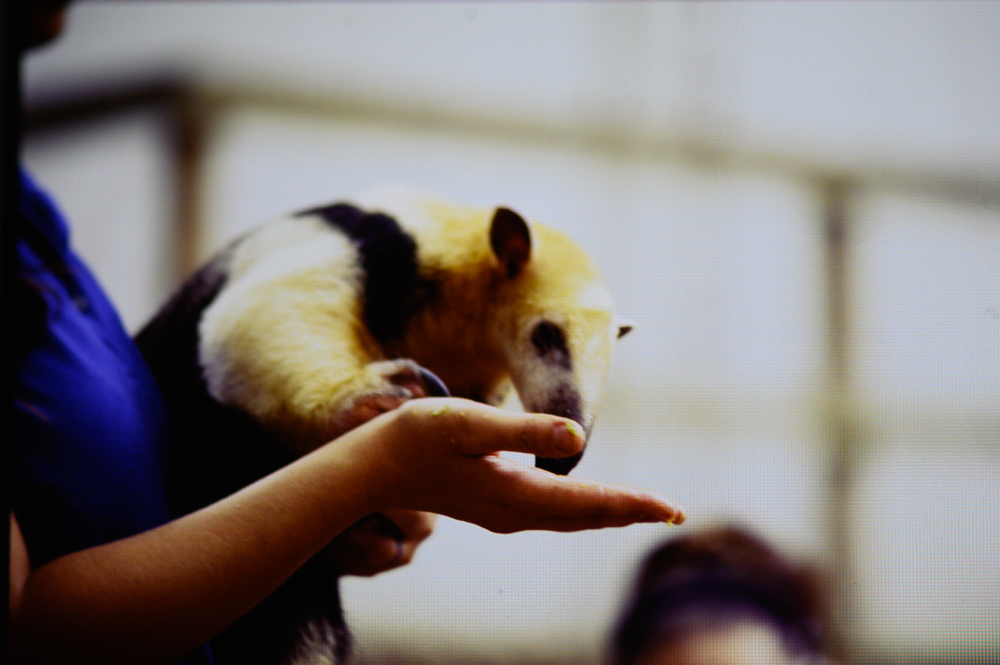
The whole purpose of this OneRoll series is to show what it’s like when you can’t pick the best shots, when you can’t shoot a thousand and share one. I’d learned from my previous plays with slide film that it’s better to overexpose than underexpose, but the highlights on the Okapi up there show that you can still push it too far. I have a hard time telling whether the F5 is focusing properly with the Tamron 70-200 g2 hooked to it. Sometimes, like on the monitor close-up, it nails it. Other times, like the Porcupine and the Tamandua, not so much. But I still don’t know if that’s me or the equipment.
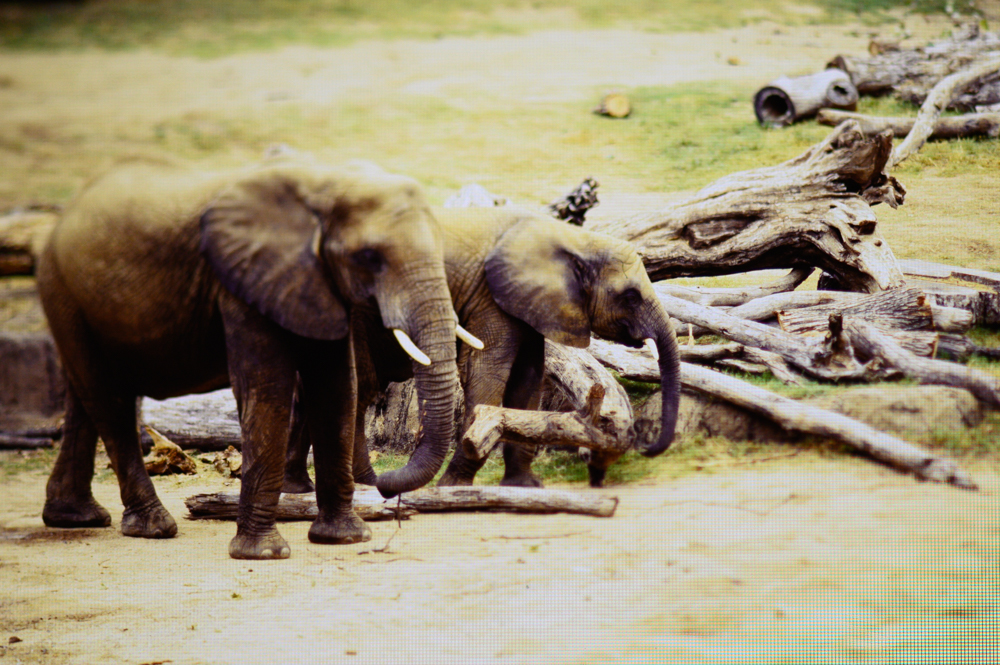
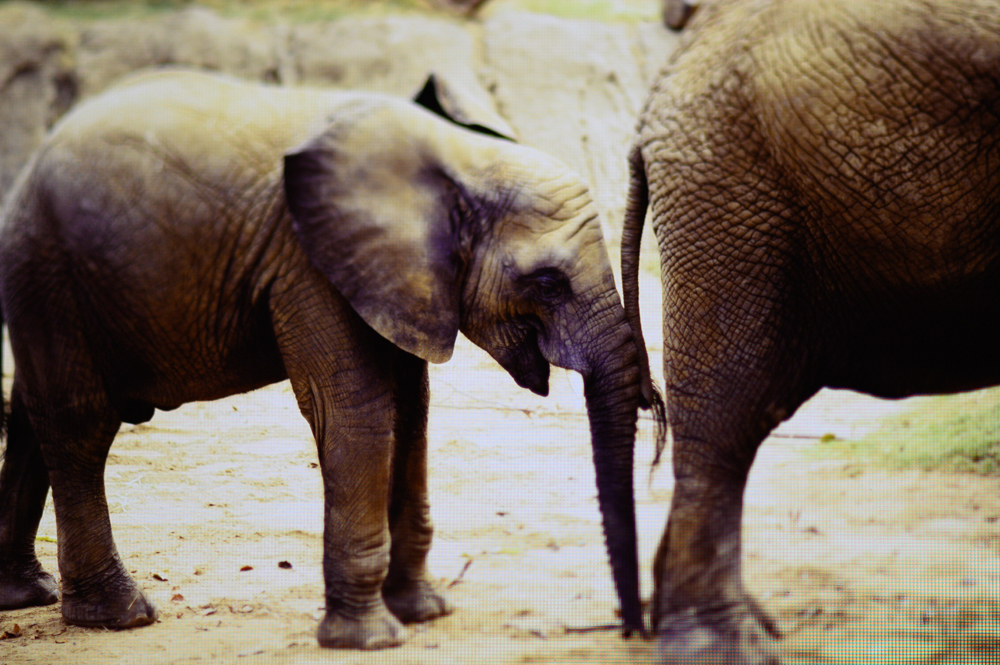
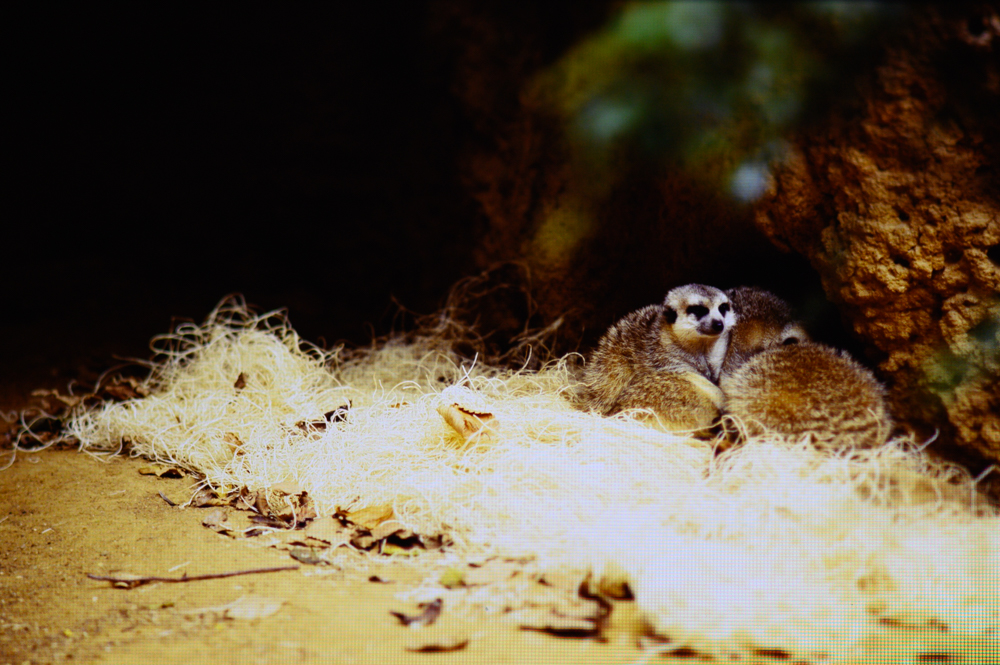
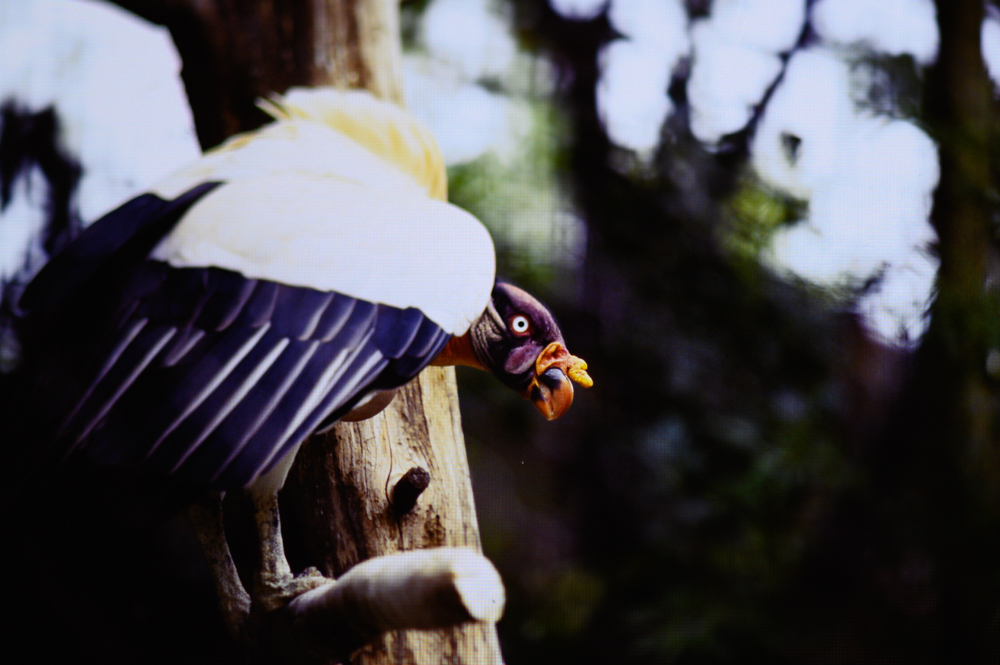
The colors on these Elephants are fantastic, and the Mongooses aren’t too bad considering the area. The King Vulture, however, I love their eyes. They seem to both reflect and emit light in a crazy beautiful way that you just don’t see on other animals. I’m even willing to forgive the highlights on its back for how beautiful that face is.
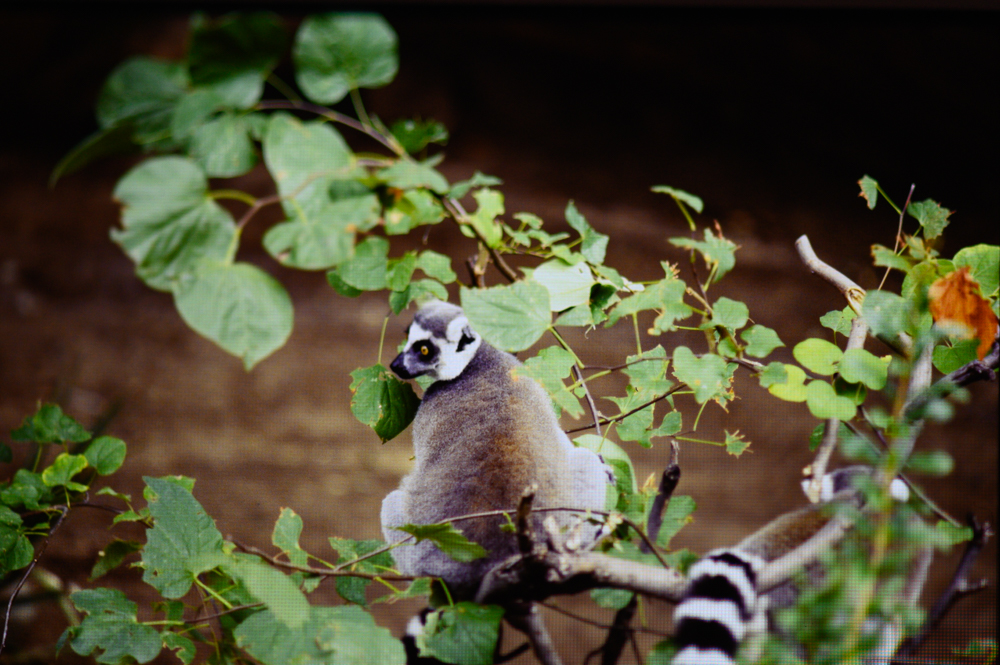
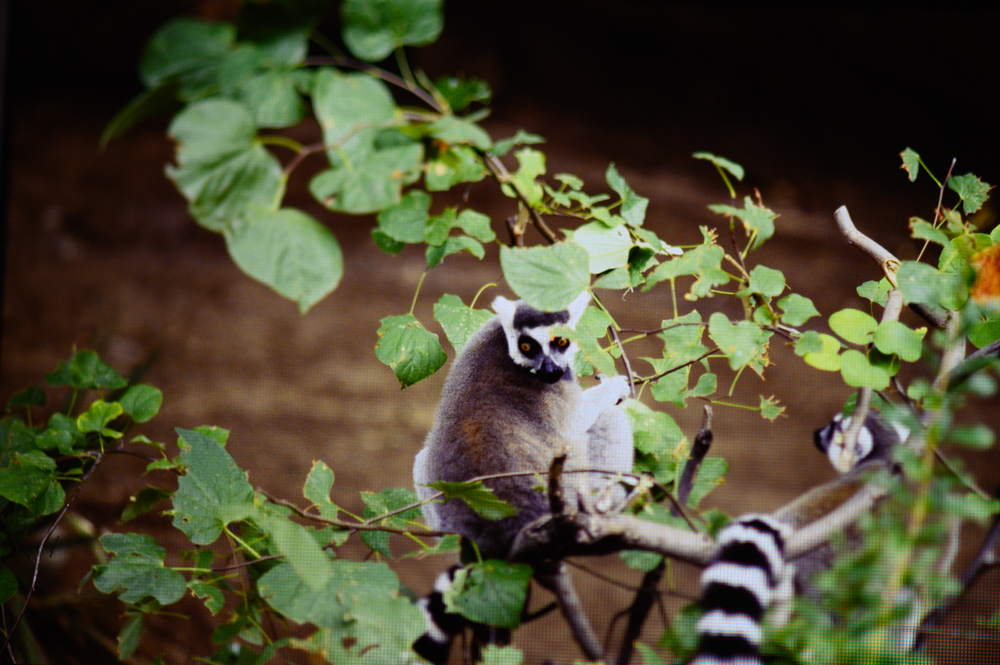
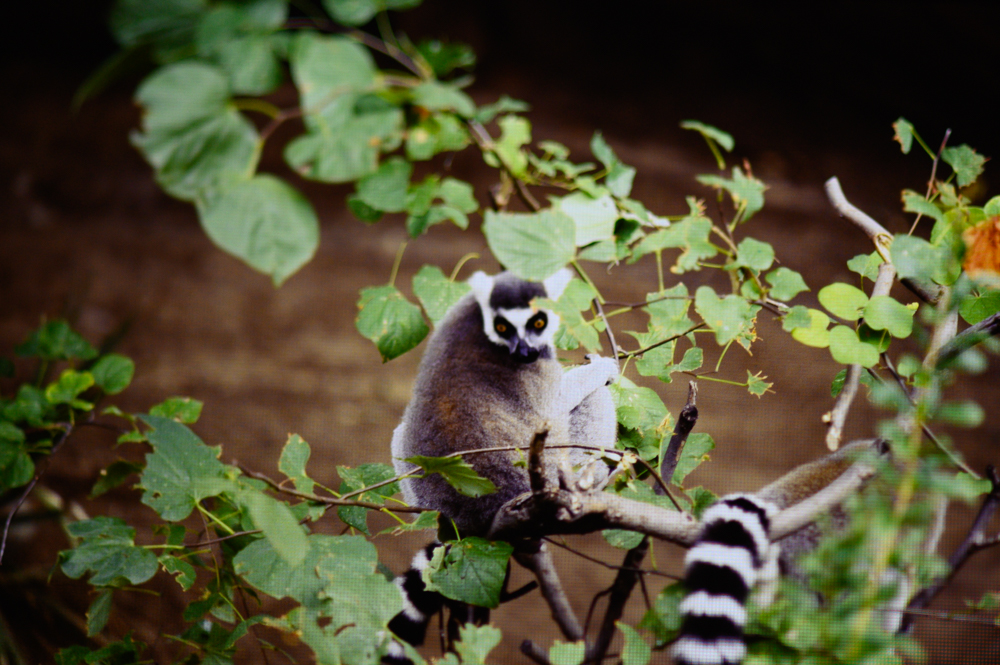
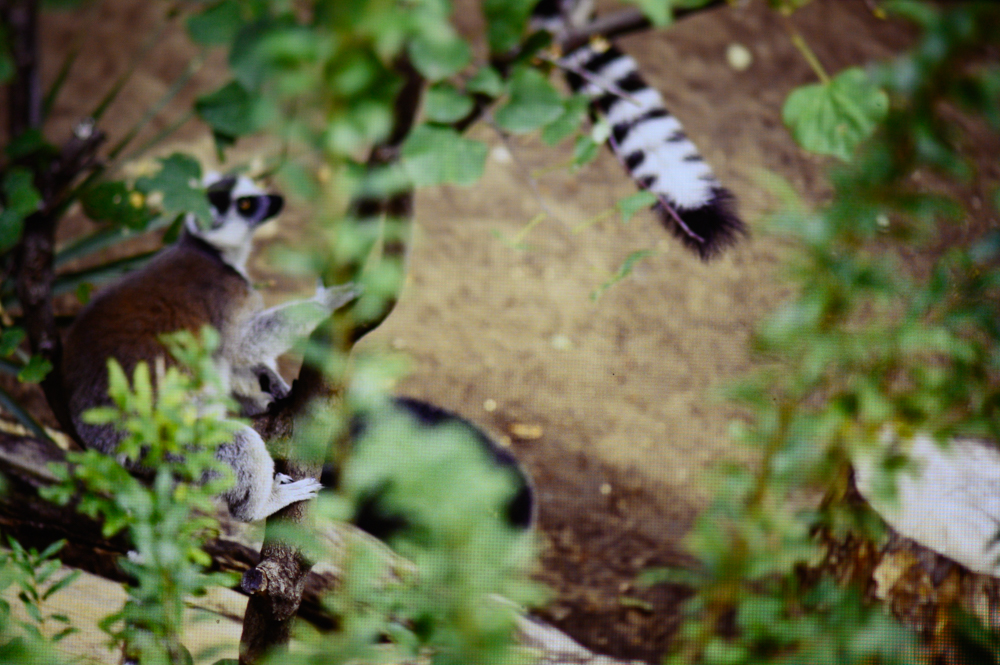
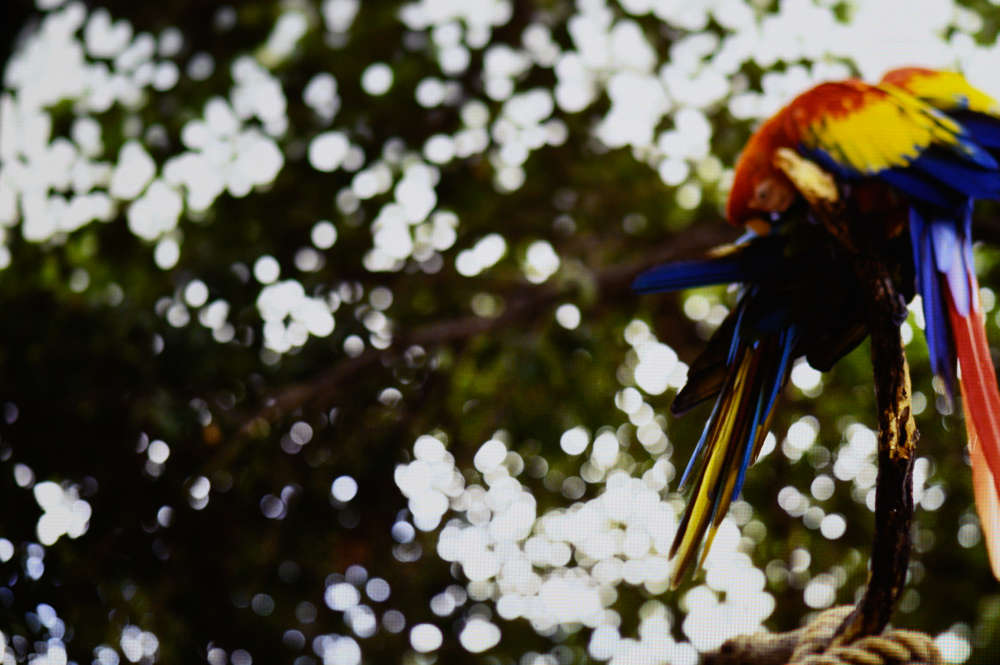
Didn’t really get any killer shots of the Lemurs at the entrance to the Dallas Zoo, but they’re some nice snapshots at least. The Macaw shot is just not good.
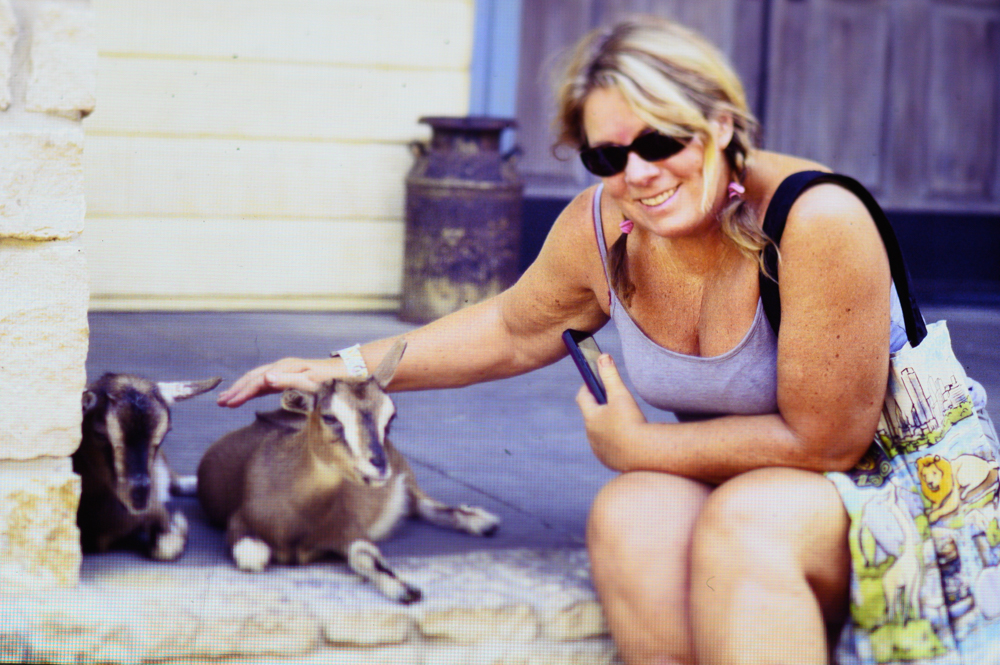
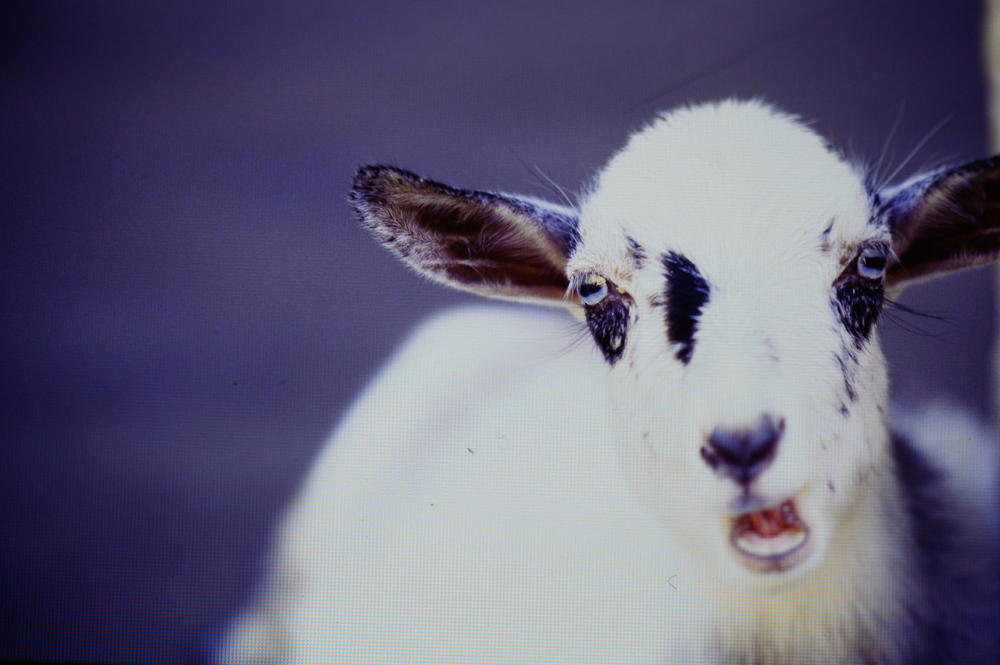
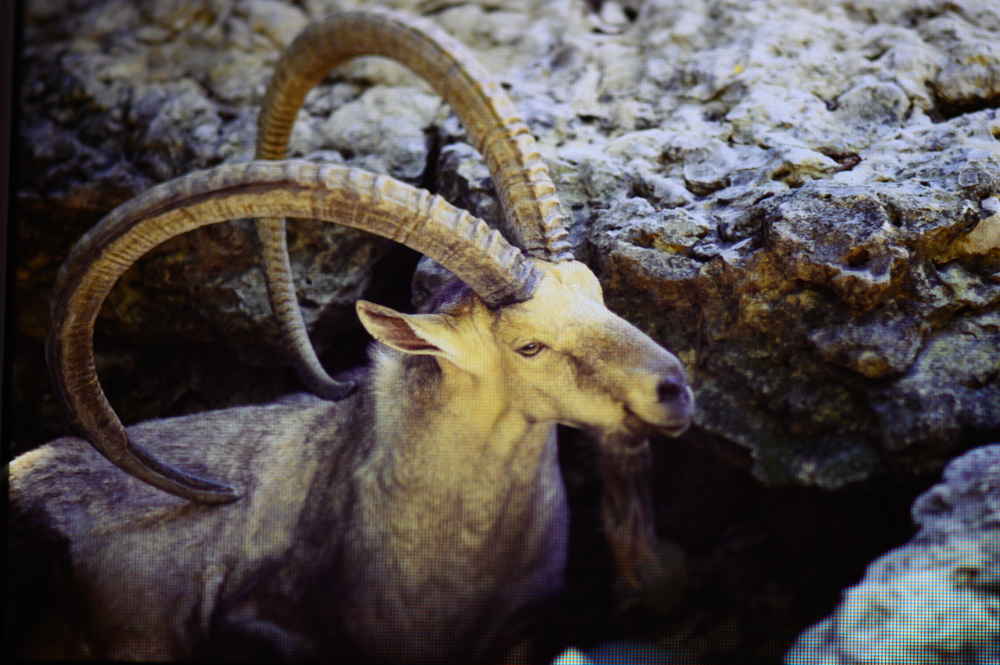
On to the Fort Worth Zoo. The Penguin shot, I don’t even know why I tried. Film speed was too low for the dark habitat, and it was never going to turn out. The snap of my mom petting one of the goats at the children’s zoo is nice. There’s a lot wrong with the goat portrait… A LOT. But the way the Ektachrome handled the blues in those eyes… oh man.
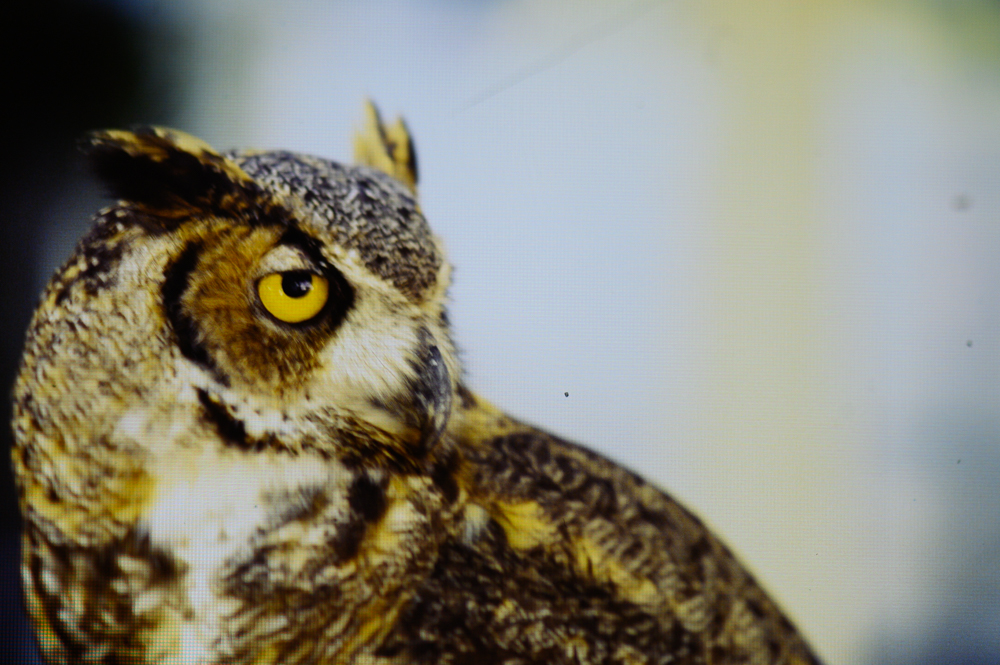
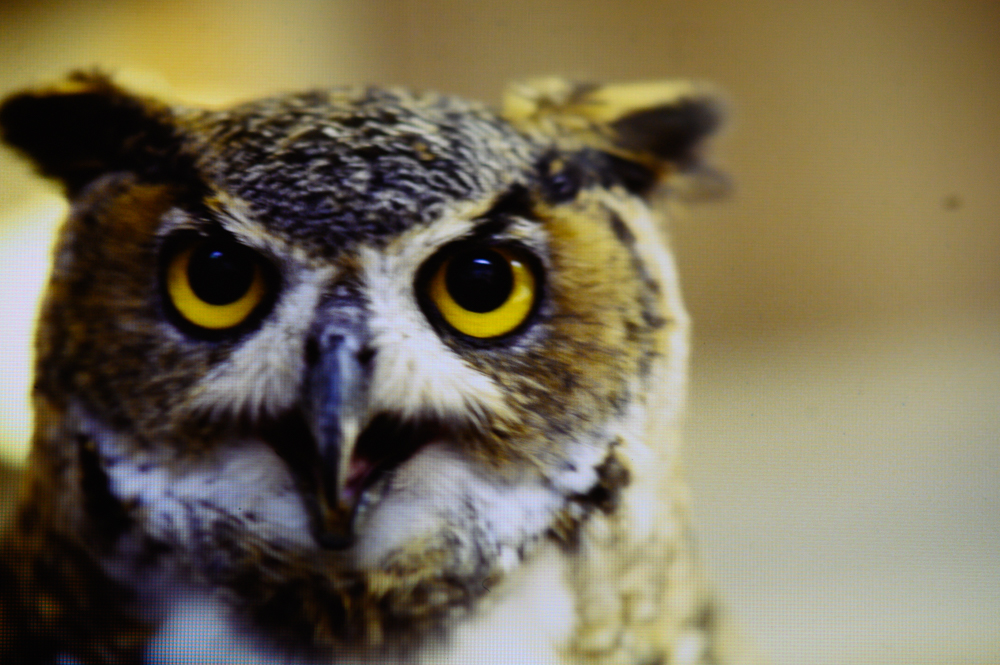
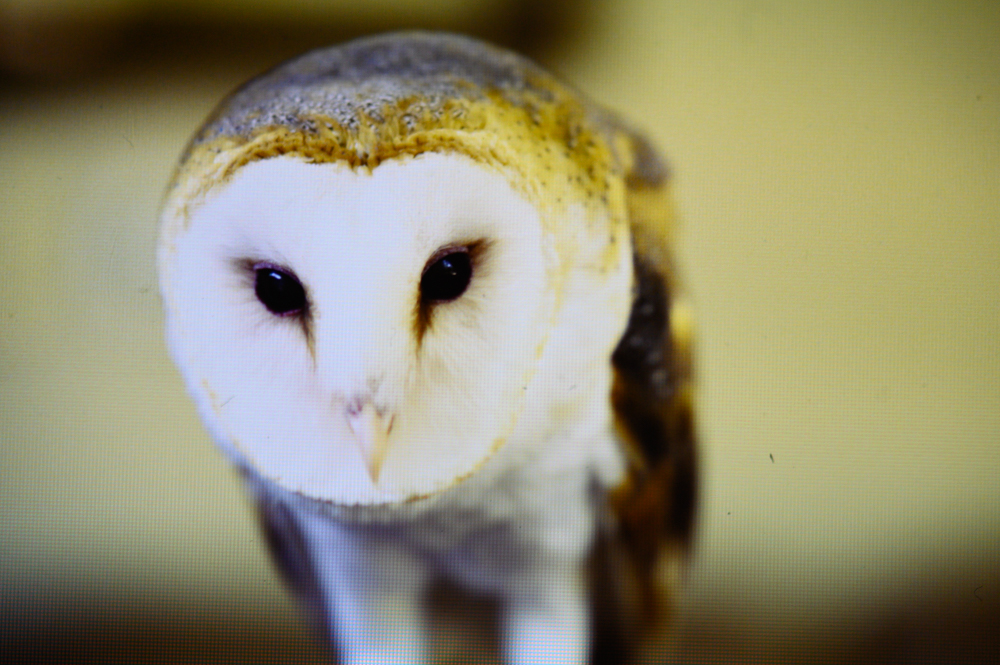
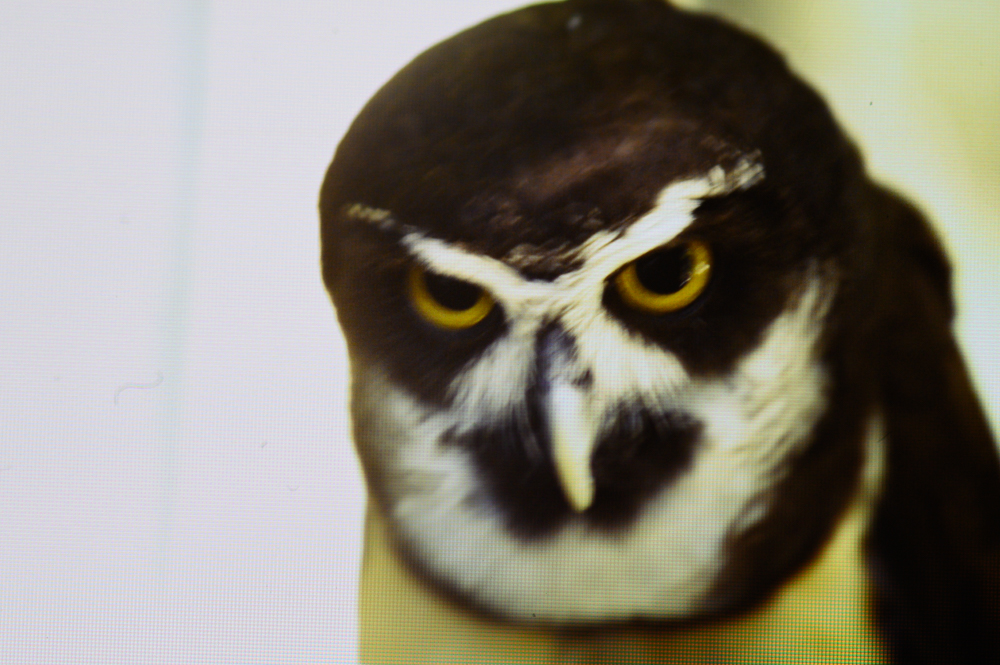
Owls are amazing. Some of these are blurry, but the animals themselves, wow. If you ever visit the Fort Worth Zoo, do their behind the scenes Owl encounter. It’s one of the best behind the scenes experiences I’ve had in any zoo.
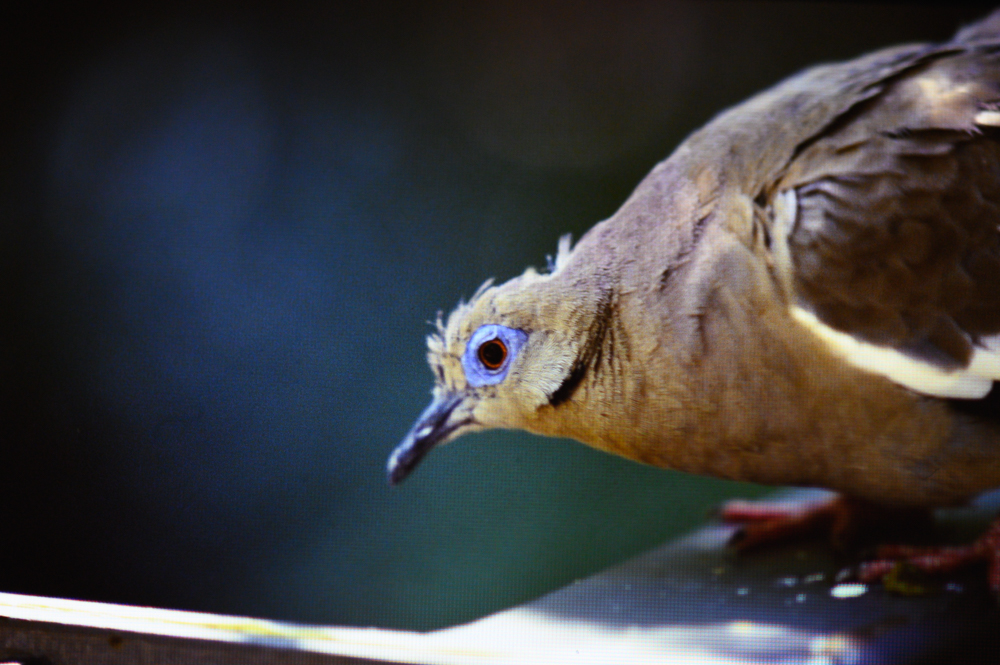
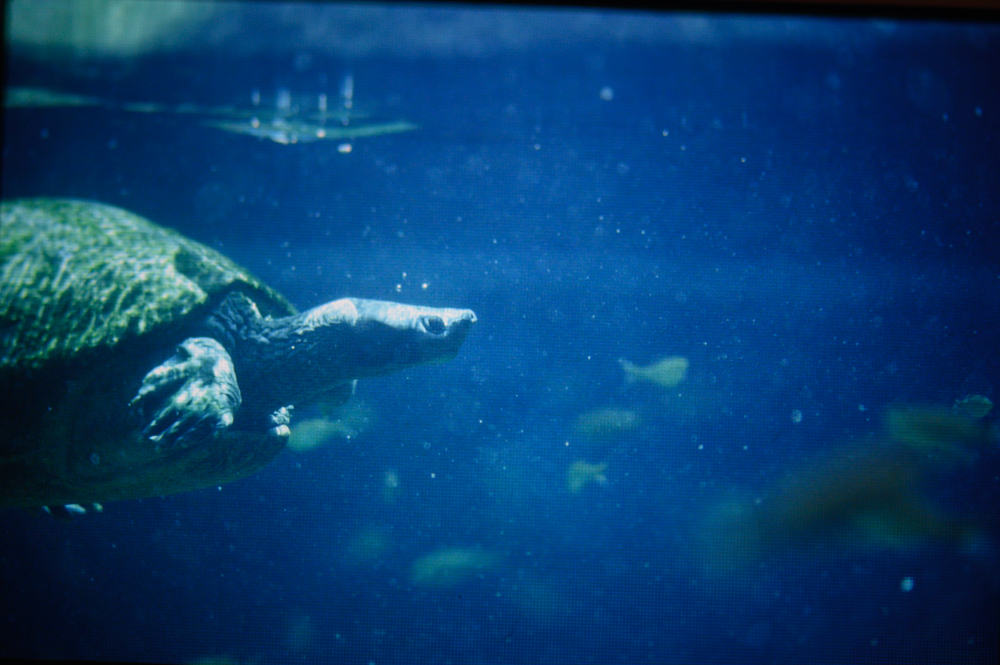
A couple from the swamplands area. The bird turned out nice. The tortoise? not so much.
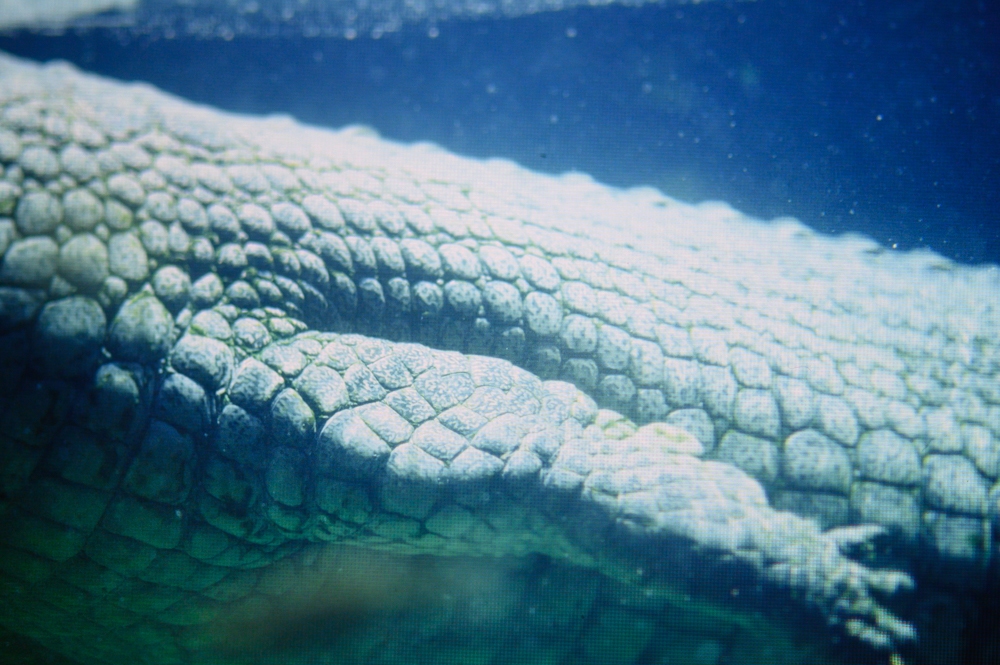
The food at the Fort Worth Zoo is pretty uninspiring. Unless you really like fast food chain restaurants, it’s probably going to disappoint. But the view into the Gharial habitat is pretty incredible.
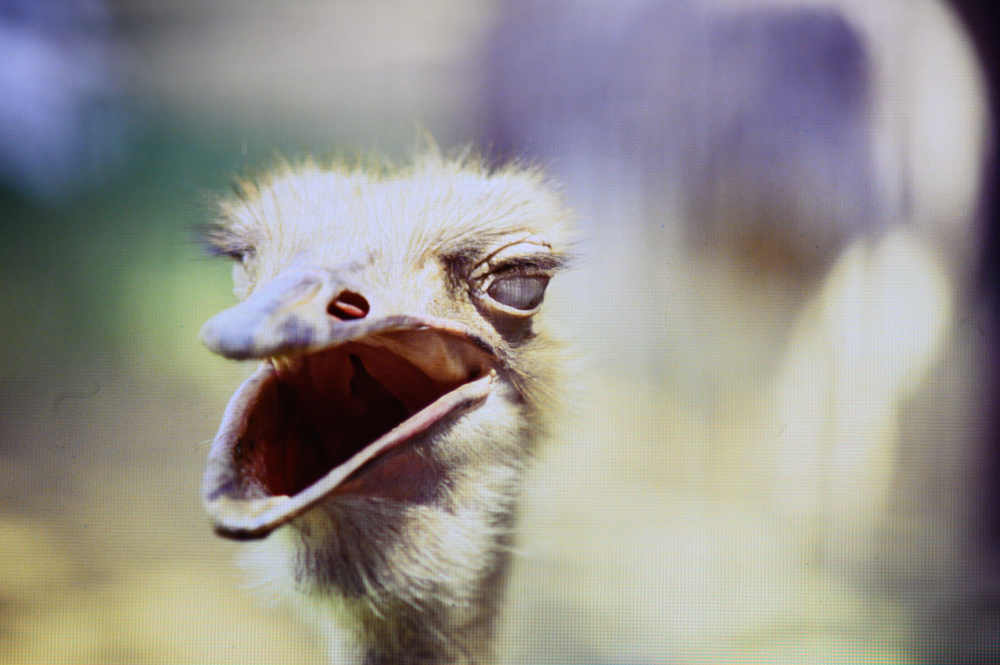
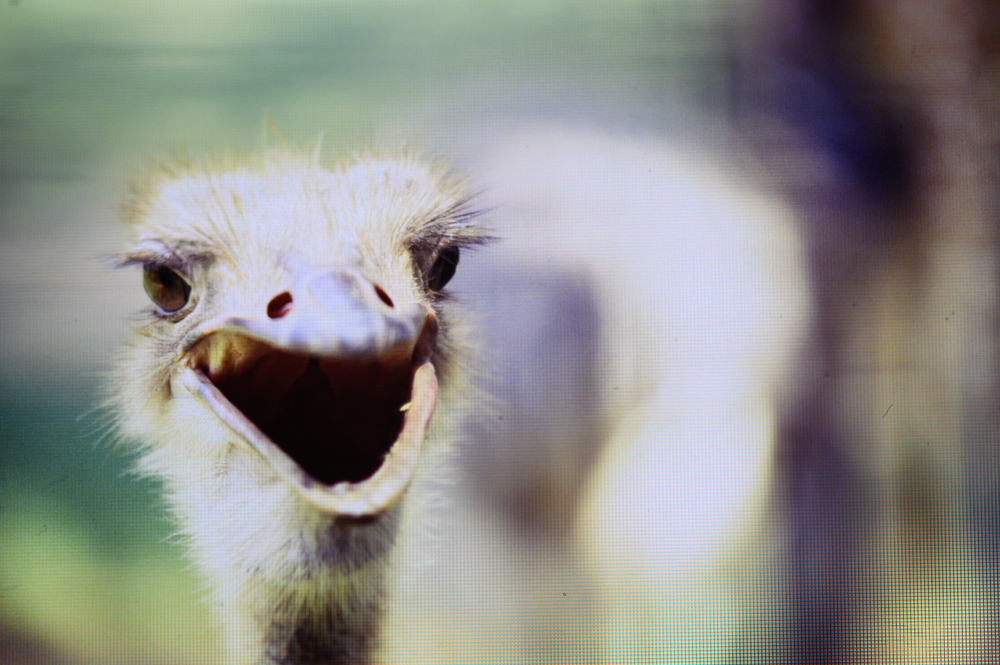
This ostrich had a hell of a personality. Was real fun to shoot. I had the 150-600 on the digital body, so I didn’t get to do anything with him on that side, so I’m really glad that these film shots turned out.
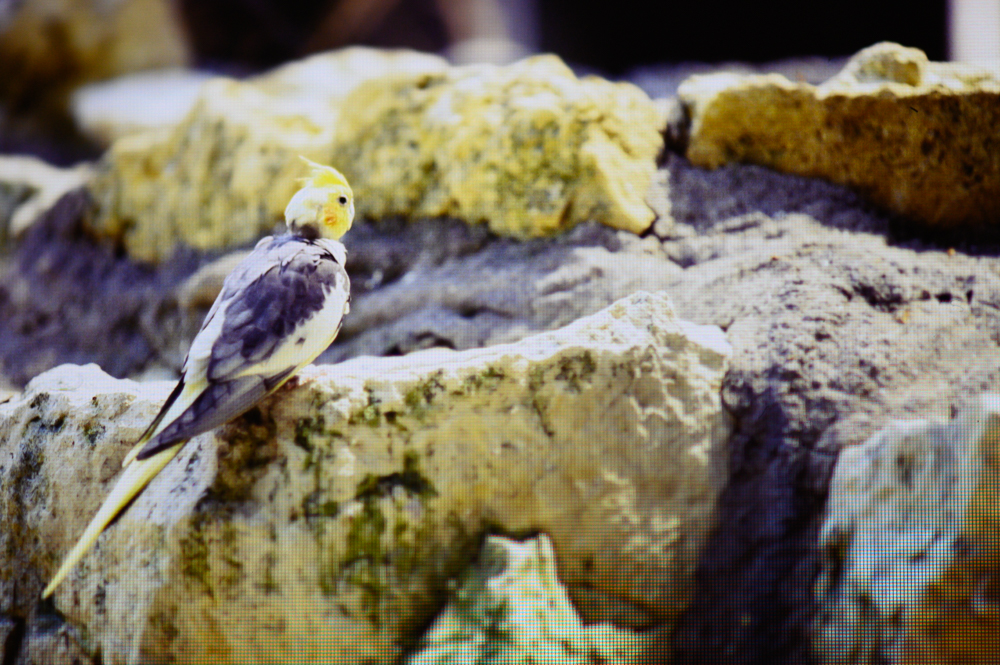
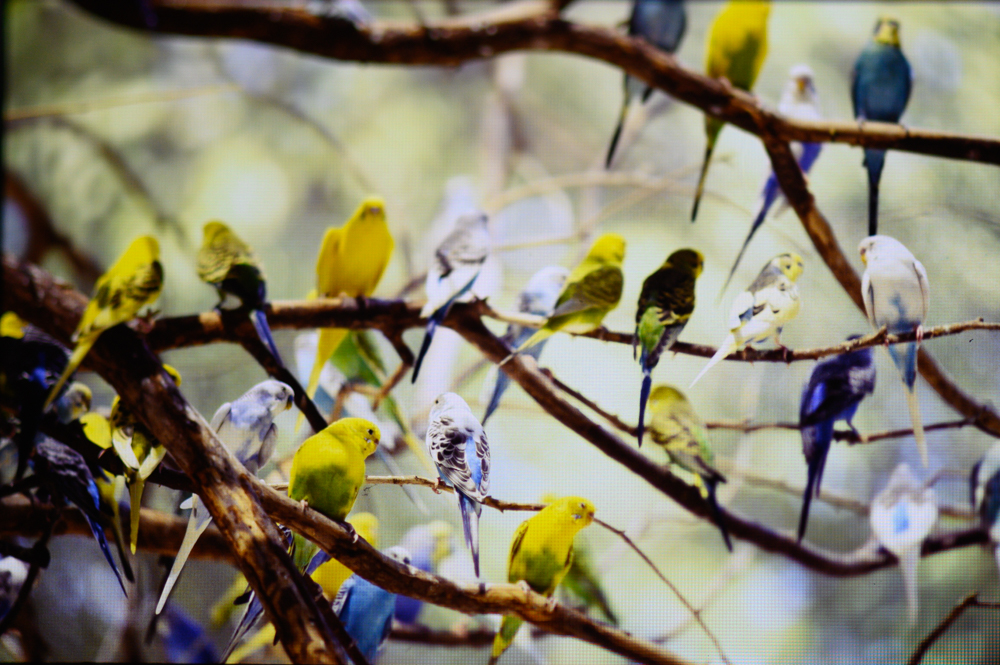
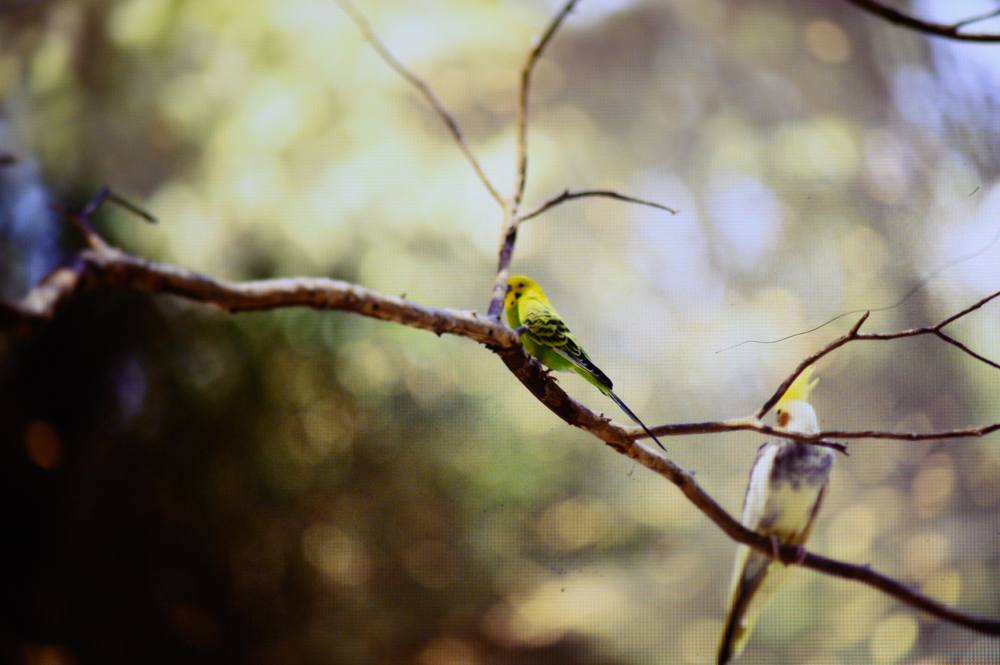
When I saw these colorful birds, I knew I had to see them rendered with all that beautiful saturation by the slide film. I’m happy with the group shot. That blurry shot of nothing? You may or may not know that the vertical shutter on the f5 has a lock so you can disable it. You may or may not also know that if you don’t disable it, you might hit it against your hip and take a dumb blurry photo. Oops.

Well that was it. Another full roll of film, the keepers and the garbage. Remember next time you’re looking at a wildlife photographer’s instagram, or even the pages of a National Geographic. For every photo you see shared, there’s a lot on the cutting room floor. As you improve your skills, you can tighten up the ratio by learning when it’s not even worth trying to get the shot, by mastering your equipment to ensure it’s doing what you want it to (still struggling with this on the film side!), by learning to see what the camera’s going to see. But you’re never going to get to 100% keepers.
Setting the Right Tone

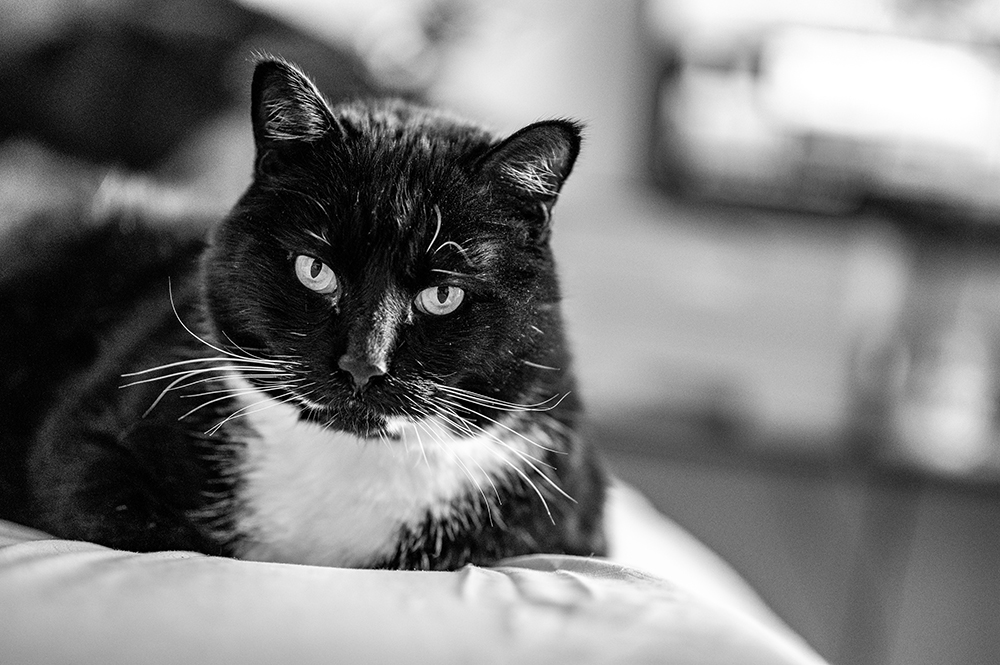
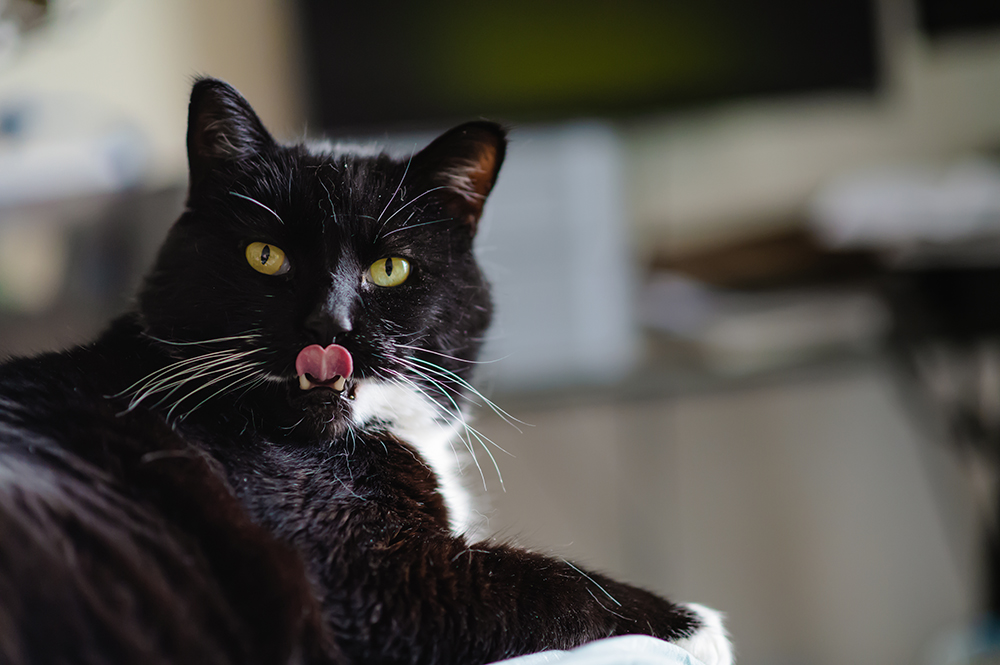
William “Mac” MeowcAvoy. 4/12/20. Nikon z6, 85/1.8g

Another week of isolation outside of work means you get another photo of Mac. Moose Peterson has the Teddy Bear Exercise. It’s a no-right-answer test of how your camera responds to extreme tonal differences and finding where in that response you like the outcome the most. Moose uses his kids’ teddy bears. I have my Macadoodle.

Much like a Zebra, Mac is a pain in the butt to photograph. Do you want the whites going nuclear or the blacks going into the abyss? One of those two things is going to happen unless you’ve got perfect lighting. Dynamic range on my old d700 was 8 stops. The z6 adds over 50% to that with a bit over 13. And still, I’m having to make the call on which tones are going to have detail and which are going to go away.

In Mac’s case, it’s an easy call. I’m going to expose for details in the blacks every time. Despite his little white bits, the black is the majority of the subject, and especially so in the face which is where all the expression is. If I were shooting a couple Addax in the dead of summer when they’re all white, I’d be doing the opposite. If it’s 50/50 like a Zebra? Well, I still can’t help you there. I haven’t figured it out myself. There’s a reason I don’t post a lot of zebra pictures.

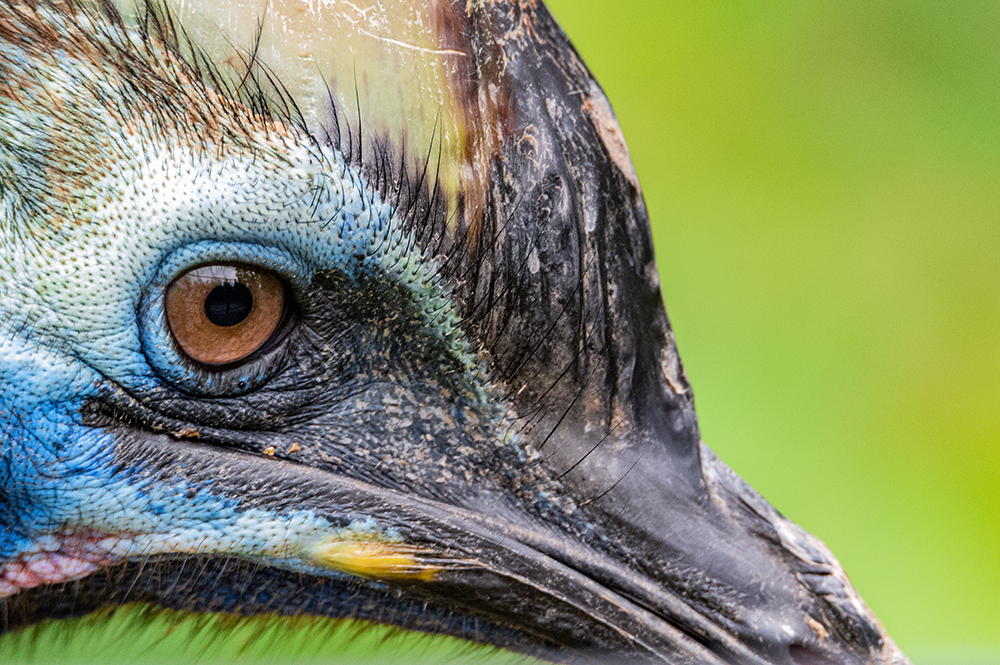
Salem

Salem, Double Wattled Cassowary at the Denver Zoo. 8/21/19. Nikon z6, Tamron 150-600g2

Salem is an amazing bird. I love her.

Not much else to write about this time. But hopefully this up-close encounter with one of the best birds in the world will make you as happy as it makes me.

Focus on What Matters

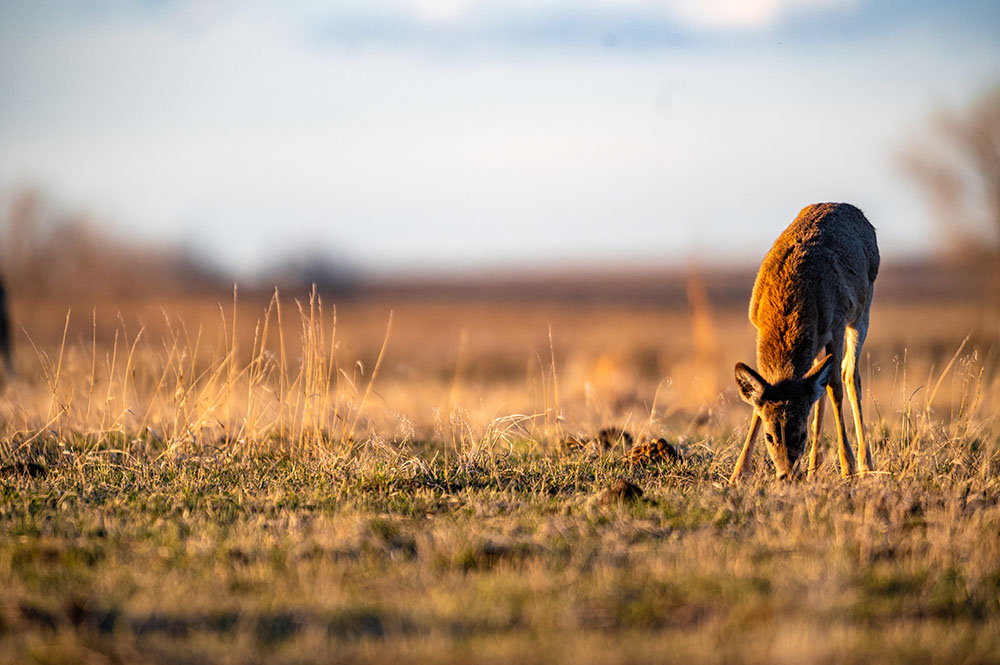
Baby Whitetail Deer at Rocky Mountain Arsenal National Wildlife Refuge. 3/24/20. Nikon z6, 400/2.8, TC-14ii

The above isn’t a picture I’d normally share outside of instagram. Seen from a distance at web resolution, it looks like a real nice photo. Seen properly, it’s obvious that the camera hit focus on the back leg rather than the face. Great pose, great light, bad photo.

This photo isn’t focused on what’s important. There are some similarities in life right now. I mentioned last time I got all serious and non-photograph-y that my “real” job is considered essential. I get paid a pretty okay chunk of money (at least if I lived anywhere but Denver!) to ensure everyone else from Wyoming to New Mexico gets the stuff they want on a daily basis, and the stuff they need during shelter-in-place orders. Unlike a lot of my friends at various zoos around the country, my income has gone up during this pandemic, not down. Still, the government decided that even with my stable income, I’m entitled to some stimulus money.

It’d be really really easy to put that into a Sigma 105/1.4. Or toward a decent chunk of a 120-300/2.8. Or even into savings toward that big old 180-400 that I dream of at night. As noted before, I’ve been donating a bit of my normal paycheck every week to various zoos during their shutdowns. A much bigger percentage of that stimulus is going to be doing the same thing. I intend to focus on what’s important.

Everyone has their own needs, their own situations, and I acknowledge whole-heartedly that right now I’m better off than most. Still, if you can spare a chunk of that check you’re about to get for your local zoo, please do so. It’s not just the animals, but also a chance at getting some jobs back for the people who make the zoo what it is a little faster once this is over.

Donate Below!

Denver Zoo
Cheyenne Mountain Zoo
Pueblo Zoo
Riverside Discovery Center Scottsbluff

The Amazing Technicolor Shrimpcoat

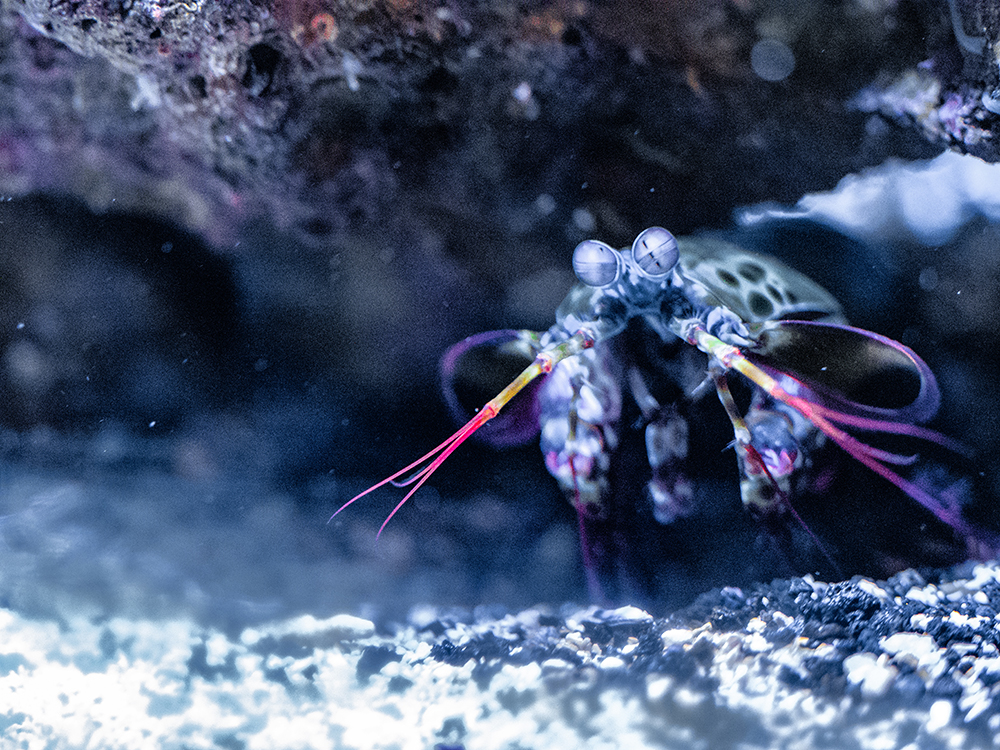
Mantis Shrimp at Denver Zoo’s Tropical Discovery. 11/1/19. Olympus OMD E-M1x, 40-150/2.8

The Mantis Shrimp is one of the most insane animals in existence, and it’s not just because their punch hits with the force of a bullet and causes the water surrounding the punch to boil. The most insane thing about this particular animal is its eyesight.

Humans can see three primary colors. Everything we see is some mixture of those three. We’re better at seeing some colors than others. There are a lot of colors that we can’t see at all.

Mantis Shrimp? They can see 12 primary colors, not only giving them more color detail in the same range as us, but giving them access to colors well above and below our visible spectrum.

Odds are that we’ll never get to see the world the way the Mantis Shrimp does, but a while back RadioLab did a great episode replacing color with sound, and using that to give us an idea of how much more intense the world is to this little guy. Stuck inside waiting out Covid-19? Check out the episode here.

Support Your Zoo

William “Mac” MeowcAvoy at my apartment. 3/14/20. Nikon z6, 85/1.8g

The Denver Zoo just announced they’d be closing for an indefinite amount of time due to the current Covid-19 pandemic. It’s a place near and dear to my heart, and it’s a place where people can’t shelter in place or stay out of work for two weeks. Just like every zoo is.

Unfortunately, while people have to continue working there, they’re no longer able to welcome in guests, members, or volunteers. There are still animals to feed, staff to manage, and bills to pay. And they’re doing that with no real incoming revenue.

I work in a critical logistics industry. My job is relatively safe and my income is actually likely to increase if any of my coworkers fall ill. So a bit of that income has been donated to the Denver Zoo. A bit has been donated to the Pueblo Zoo. And next paycheck, a bit of it’s going to the Cheyenne Mountain Zoo and the Riverside Discovery Center in Scottsbluff.

There’s a lot of fuss going around on social media about supporting local businesses. Most zoos aren’t businesses, they’re nonprofits that exist to educate, engage, and conserve. Still, if you can spare anything, give them what you can. My local zoos donation links are all listed below. You should be able to find the page for your zoo pretty easily. Even if it’s 5 or 10 bucks, that’s not nothing, and it *will* make a difference.

Until these zoos reopen, I’ll be sharing old pics instead of new ones. And instead of volunteering, I’ll be at home cuddling with my little Macadoodle during my off hours. Take care of yourselves, and support your zoos.

Denver Zoo
Cheyenne Mountain Zoo
Pueblo Zoo
Riverside Discovery Center Scottsbluff

Nikon z6 Firmware 3.0

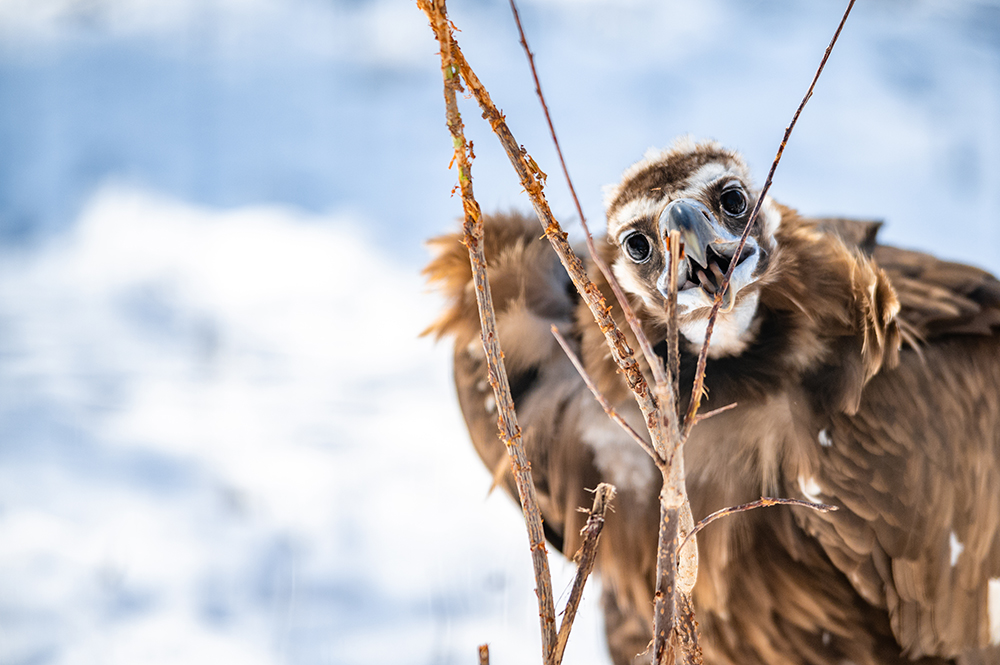
Cinereous Vulture at the Denver Zoo. 3/2/20. Nikon z6, 400/2.8

My first real camera was a Pentax k1000. My first real digital camera was a Pentax k20d. I later supplemented that with a k-50. Then I realized that my dream camera from over a decade ago could be had for 300 bucks and I made the switch to a Nikon D700. Then I played with a coworkers Sony Mirrorless camera, and leveraged probably a little bit more credit card debt than I should have to buy a Nikon z6. It helped make some of the most beautiful images I’d ever seen, but there were some things that disappointed me. The biggest part of that was the loss of subject tracking autofocus. I mean, it had it, but it was a pain to activate and trying to do so caused me to lose more images than it helped me get.

Now, I have a brand new camera. It’s still a Nikon z6, but with the latest firmware update, it’s an entirely different beast. The shot above? If I’d have had it in dynamic area autofocus, I’d have been fighting to keep those eyes sharp as this cinereous vulture weaved back and forth behind the twigs as he tried to rip them apart to build his nest. Instead, I set the tracking-af on his eye, and just waited for the right moment.

I hope Nikon keeps this up. Firmware updates with mirrorless cameras are a game changer, and the ability to buy a camera and have it be completely different (better) a year late is insane. Next stop, maybe expanding the animal-eye-af to include more than just pets?

Connecting Humans with Animals

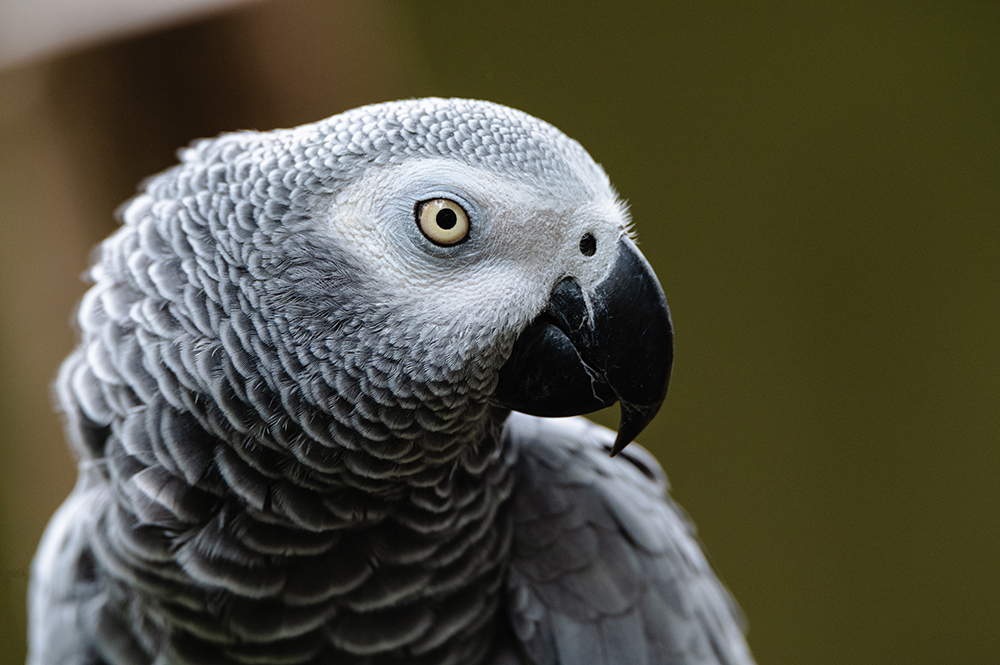
Dallas Zoo African Grey Parrot. 8/31/19. Nikon z6, Tamron 150-600 g2

When I visited the Dallas Zoo last year and partook in their Backstage Safari, there was a woman there with her mom, both of which were also from outside of Texas. It was really obvious from the start that the mom was just there to be with her daughter, she wasn’t a big animal person, and she didn’t really want to be close to any of them.

After helping train a gorilla, getting to feed an okapi, and meeting a number of their animal ambassadors (during which time she pet a skink and got licked by a tamandua), her attitude was completely different. The Dallas Zoo gives you a kind of VIP pass to hang around your neck, to make you feel even more special while you’re doing the experience. There was a member of the care staff handling a snake as part of an animal demo and we saw the pair there again. The mom came up to us and asked if we thought she might be able to use the vip pass to get to touch the snake.

We laughed as a group because in the matter of about 45 minutes, this woman went from not being an animal person to wanting to pet a snake (something that more than one Denver Zoo volunteer I know refuses to do!). I have a hard time thinking of a better story to demonstrate the power of zoos. Their power to educate, engage, and create people who care about animals.

Punched in the Gut

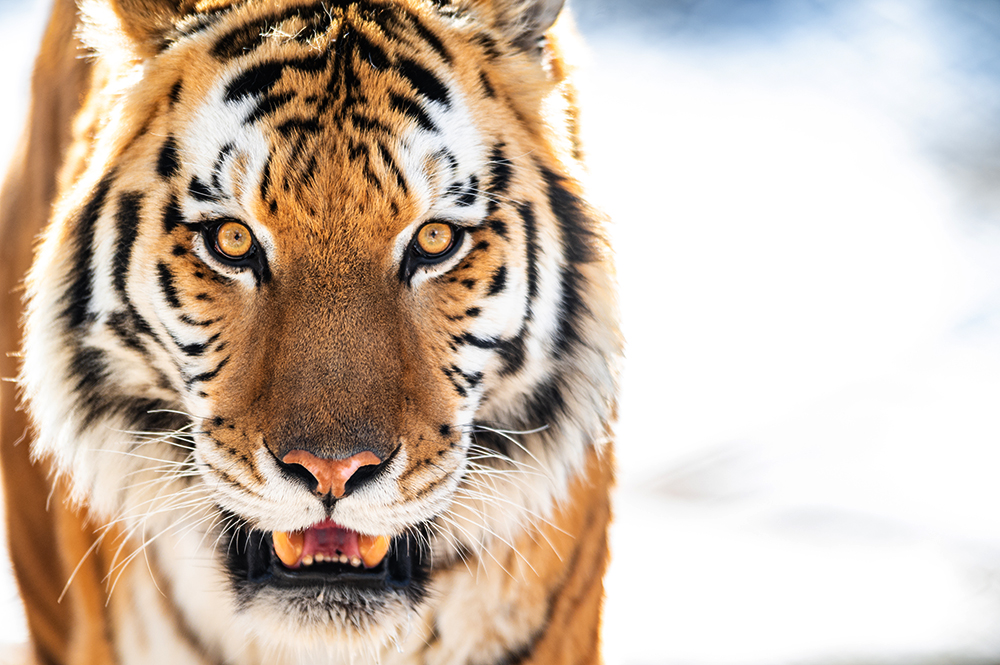
Yuri the Amur Tiger at the Denver Zoo. 2/16/20. Nikon z6, 400/2.8

Work’s been busy, and the trip to Houston reminded me that it’d been far too long since I’d visited my home Denver Zoo. So, upon returning home, I grabbed the 400 and took a trip on a snow day. Boy was it worth it.

I got an okay wild dog portrait. I got Lisu, the clouded leopard, sleeping in her log. But Yuri was walking around the perimeter of his side of The Edge, and nobody was there but me.

I can recognize a lot of behaviors in my zoo friends, which means having a pretty good idea of where they’re going to be going when they’re moving in certain directions. So when I see my buddy Yuri walking away from me on this particular side of his habitat, I know he’s about to come right back. Camera up, viewfinder ready, settings good. He comes around the tree and bam! Pop pop pop pop pop. Start shooting off short bursts of images.

I don’t always know what I got. I don’t chimp anymore since moving to mirrorless. There’s a bit of shutter blackout which means I don’t get to see what the sensor saw until I get home and load it all into Lightroom. You see an image like this, even in thumbnail, and it punches you in the gut. It looks even better printed and hanging on my wall.

Thinking Outside the Fence

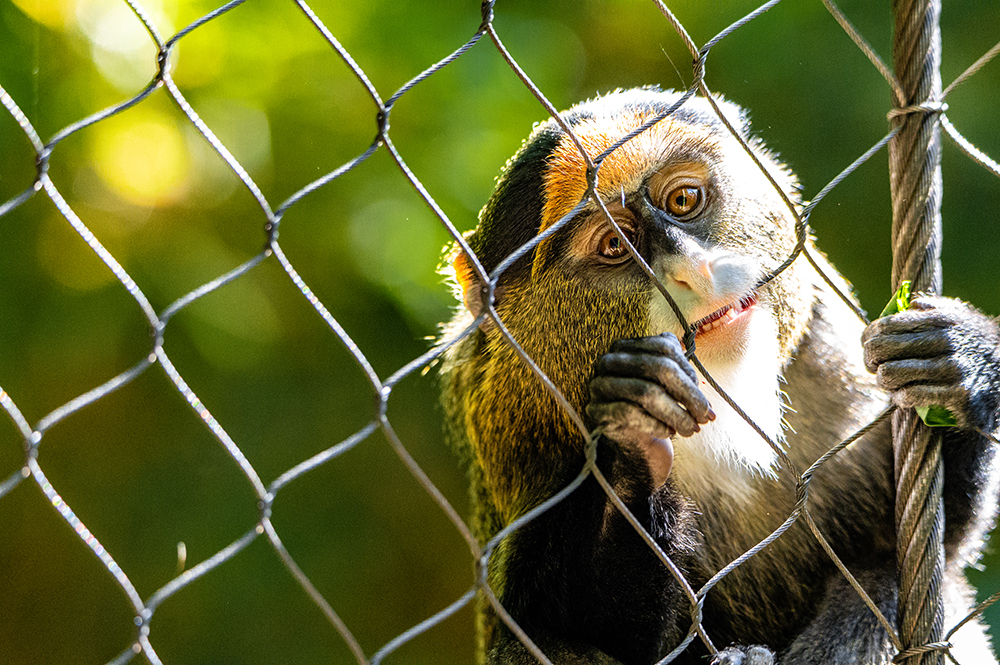
Opal, baby Debrazza’s Monkey at the Houston Zoo. 2/14/20. Nikon z6, Tamron 150-600 g2

Just got back from a trip to Houston for work, and of course I found a way to sneak out to the zoo while I was there. I highlighted a story about their Jaguar over on the instagram, but this little cutie is the first story I wanted to share here.

You don’t see a lot of fences in my photos. Maybe the out of focus fences in the backgrounds of portraits, but not a proper fence. But here’s the thing: when an 18 month old Debrazza’s Monkey is interacting with you, watching you, and is so close that you couldn’t even try to blur out the fence, you take the photo anyway. Fence be damned, blown highlights be damned. Opal wanted to give me some attention, and I wanted to make the best of it.

One other thing of note is that I came really close to packing the 400/2.8 for this trip. The 400 is my telephoto of choice at the Denver Zoo; it just makes better images. It’s a major sacrifice of versatility though, and versatility is what I want when visiting a place I haven’t been before. I would have missed this photo with the 400. I’d have also missed the wider version that was posted on instagram. Bigger isn’t always better, and this 340mm f/6.3 shot is much better than the 400mm f/2.8 would have been.

Design a site like this with WordPress.com
Get started