A Day That Shouldn’t Have Been

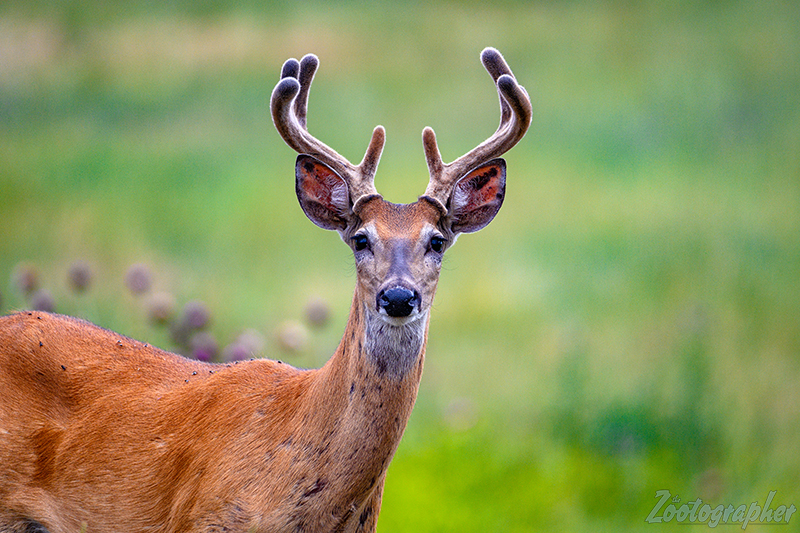
Mule Deer Buck at Arsenal. 7/13/2019. Nikon z6, Tamron 150-600 g2

Buy a print here.

My trip to Arsenal today had no right to be as good as it was. I had planned on an early trip to the Denver Zoo, but a late night at work left me sleeping in until 1400. Woke up, had some breakfast, and decided to go to the Rocky Mountain Arsenal National Wildlife Refuge instead. It was 95 degrees out, the sun was very bright, and I expected a boring drive.

Right upon entering, I saw a Swainson’s Hawk sitting about 60 feet off the road on the ground. I had the 150-600 on my F5 so I could finish up a roll of Ilford 3200 (more on that to come), so that was the camera I grabbed. I did what I thought I’d never do with a film camera and stuck it into continuous high. 9 bucks for 36 exposures, plus about $20 for developing and scanning is 80 cents per shot. That means the F5’s high speed of 8 fps is $6.40 per second. I had 12 frames left before I got to Arsenal, I had zero after that hawk took off. Excited to see how those turn out, though I’ll admit getting to use that machine gun shutter for a second and a half was worth the 10 buck cost of entry.

Beyond that, the highlight of the day however was this beautiful boy. He and what I assume were a couple of his brothers were munching around in the grass. Something spooked them, and the other two booked it. I tracked them, but once they went around the windshield of my car I turned back to see where #3 was; he was walking right toward me. Well okay, self-declared zoological portraiture person, make a portrait!

I still think my Lemur shot with this lens is the most beautiful photo I’ve ever made. But this is certainly the most beautiful photo I’ve ever made that I’m allowed to sell!

One Roll – Denver Zoo 7/6/2019

On a whim the other day, I picked up a Nikon F5 Film SLR. Arguably the last *great* film SLR. I sold off most of my Pentax glass when I made the switch to the Nikon system, so my K1000 didn’t have quite the punching power it used to. So? Buy what was once a $4000 slr for $150 and take some film out of the freezer!

That’s the origin of this first in a series of posts that will not come at regularly scheduled intervals, but will appear when it makes sense for them to do so. This post will be an entire roll of film, keepers and garbage, so you can see my process and my eye when I’m not picking the best out of an 8fps burst, when I’m not chimping the perfect exposure, and when I don’t have a memory card that will let me shoot 4200 photos in a session.

So here is the first OneRoll: 36 frames of Velvia 50, a film I have never before had the privilege of using. Thanks to Mike’s Camera Denver for the developing, mounting, and scanning!

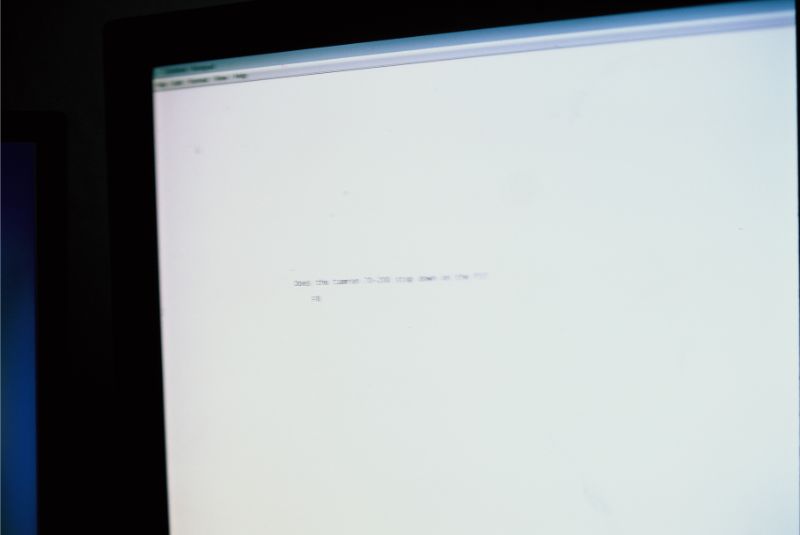
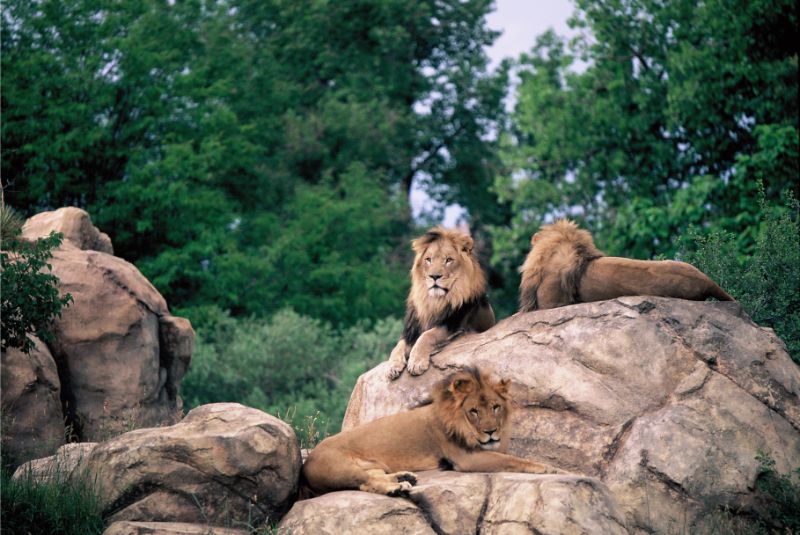
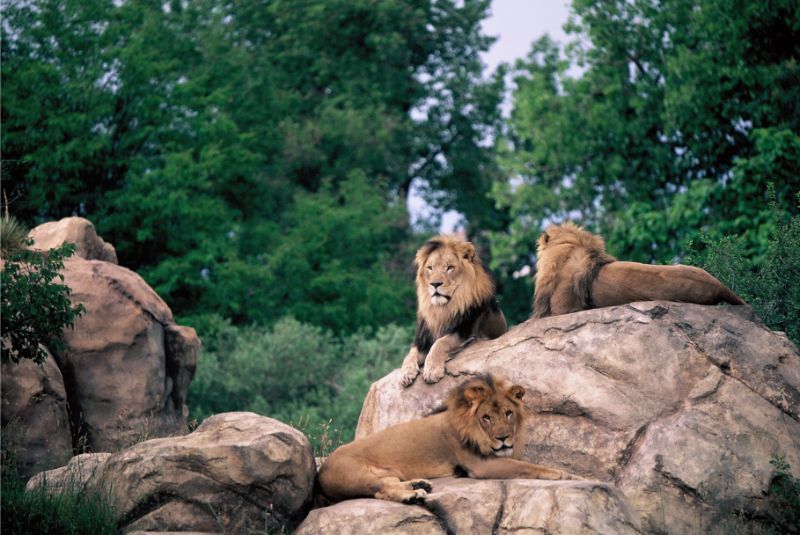
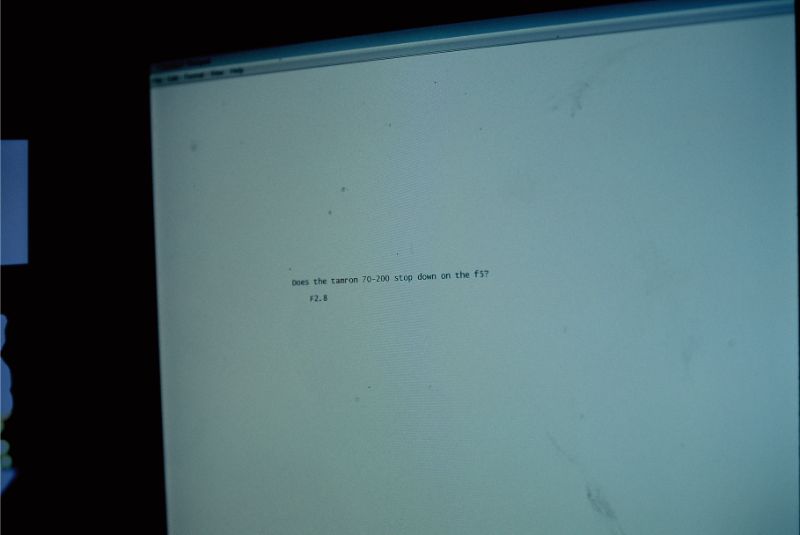
The first two images aren’t terribly interesting. I didn’t know how the 20 year old camera would work with my recent Tamron lenses. After mounting them, I knew pretty quickly the autofocus and vibration control were working, but to find out of the camera would stop down the lenses per the aperture setting, I’d have to do a test. This was it. Shot the frame on the left at f/2.8 on the Tamron 70-200 G2. Shot the frame on the right at f/8 with the shutter speed adjusted to maintain the exposure. Shutter slowed down, but since the aperture didn’t change in the lens, it’s overexposed; now I know that for the future. Because I wasn’t certain at that point, I shot everything else at 2.8 just to be safe. Glad I did.

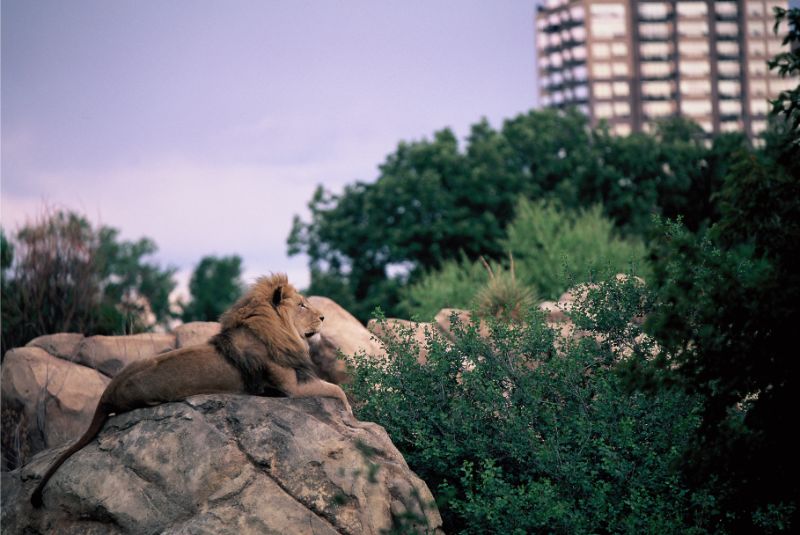
This is a pretty classic “Denver Zoo” shot. If I had been doing anything other than testing, I’d have waited for the third lion to turn his face toward me. As it was, I was more snapshotting than anything.

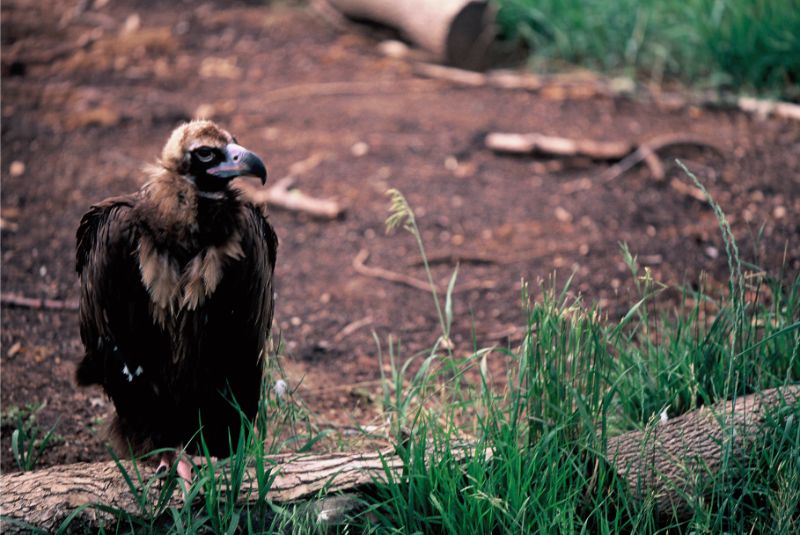
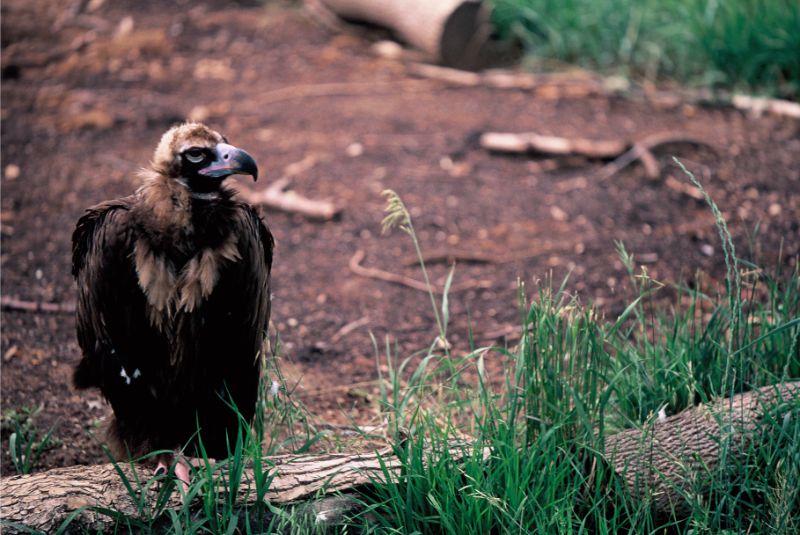
Same frame twice, just to make sure I nailed focus. Still didn’t. The F5 only has five autofocus points, and at 2.8 there was apparently enough shift between the focus and the recompose that I lost it. Or I was still struggling with the way the focus points turn grey to indicate perfect focus. Drogo here was in a nice spot, and I was curious how the pale blue in his beak would turn out on the king of color films.

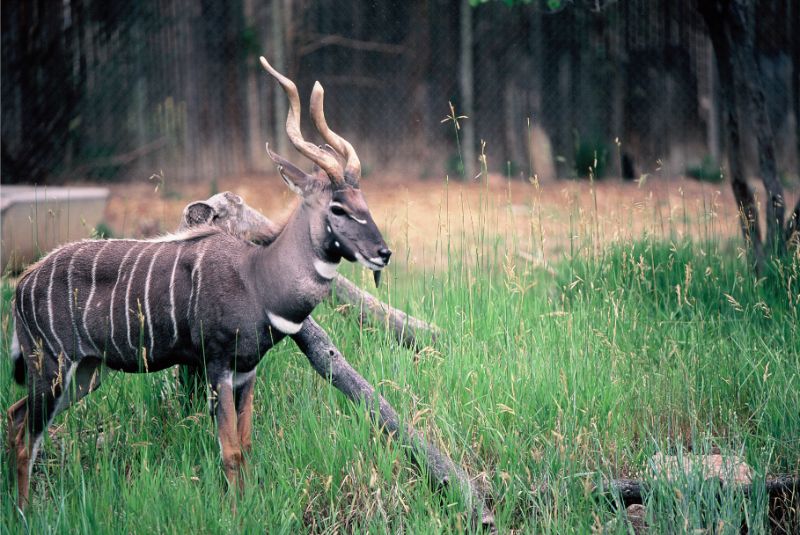
Lesser Kudu snapshot; not much to say.

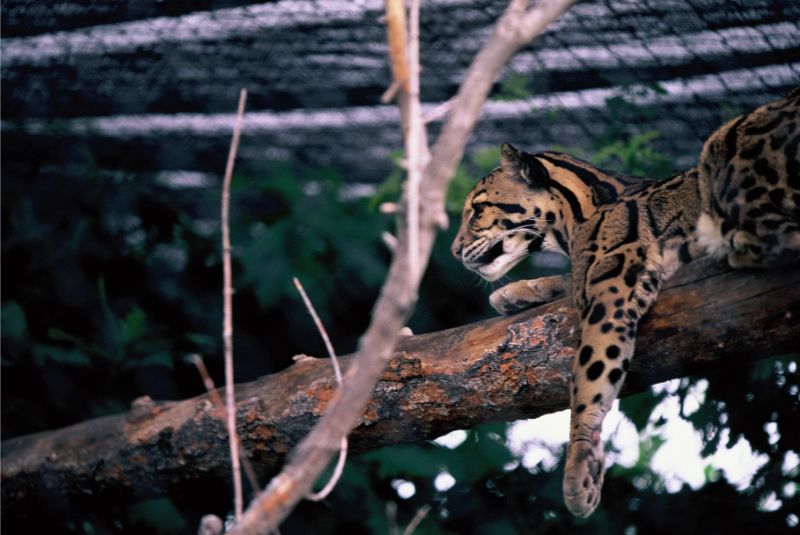
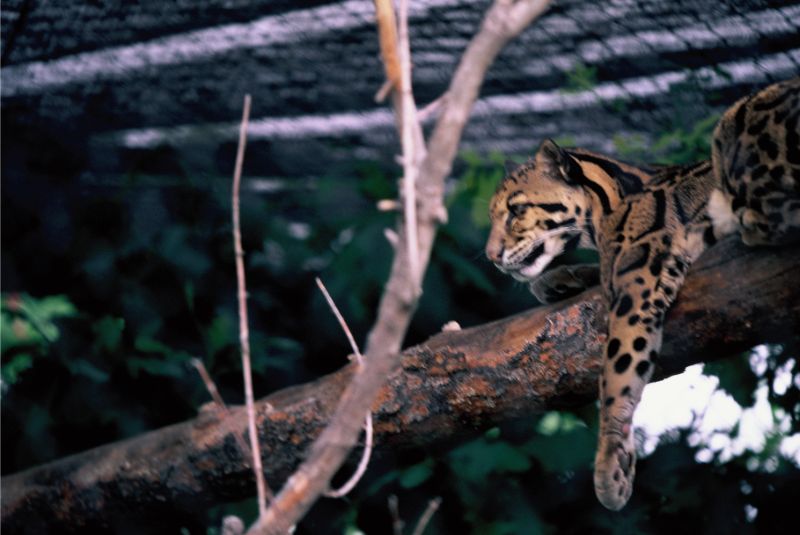
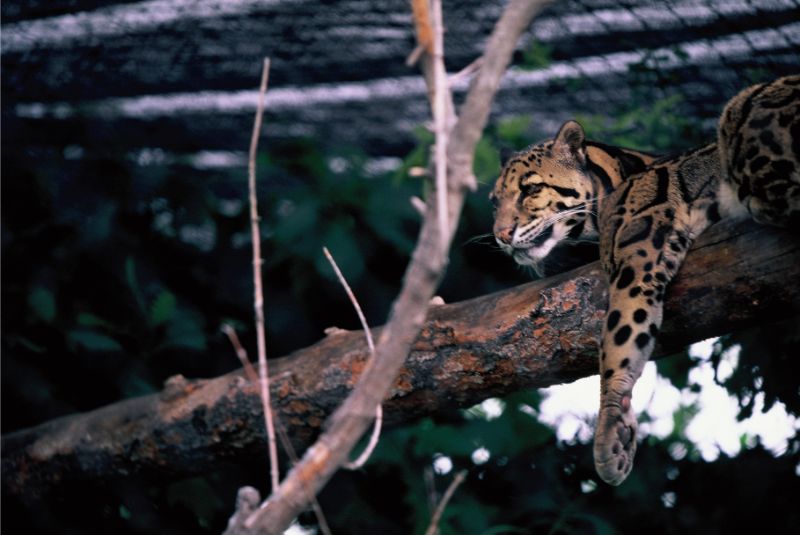
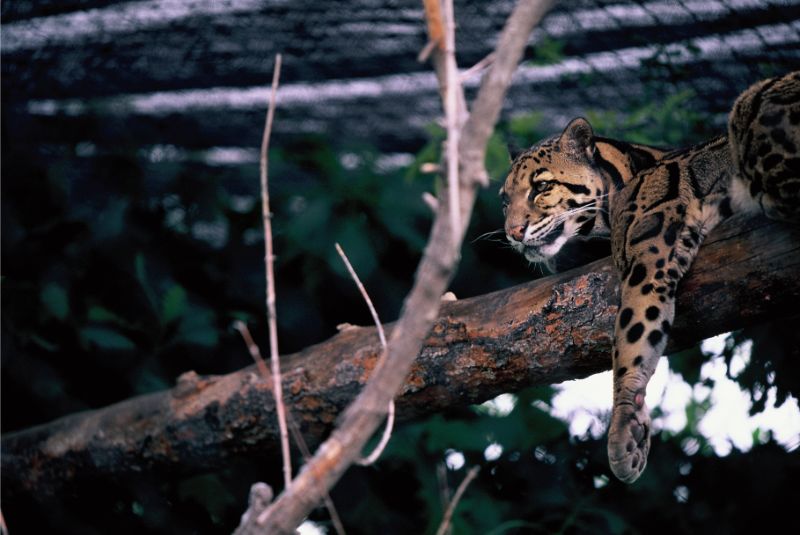
Now we’re talking Film Magic. The kind of light on Taji’s face here is exactly what this film was made for. Rich bright colors abound. Unfortunately, there was a barrier just to my left, so I couldn’t get around for a better composition. He kept looking like he was going to move, but was just readjusting himself on that classically feline perch of his. Glad I took four of them; only the fourth is a keeper in the face department.

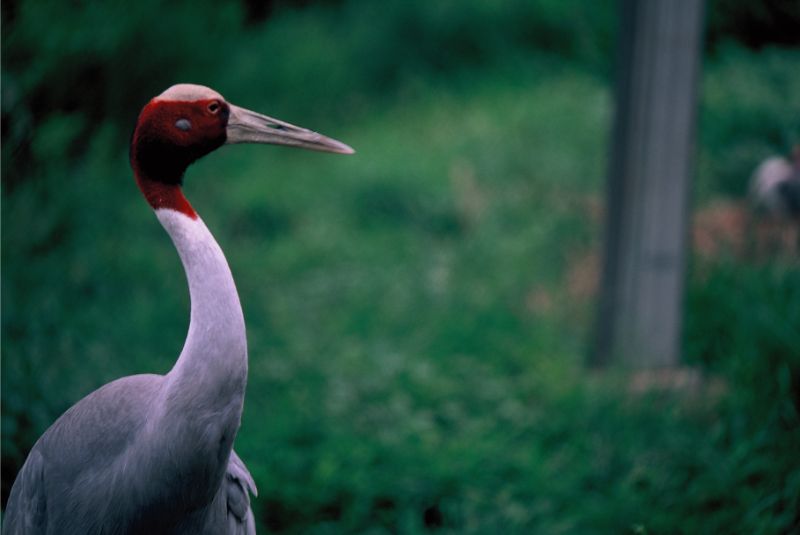
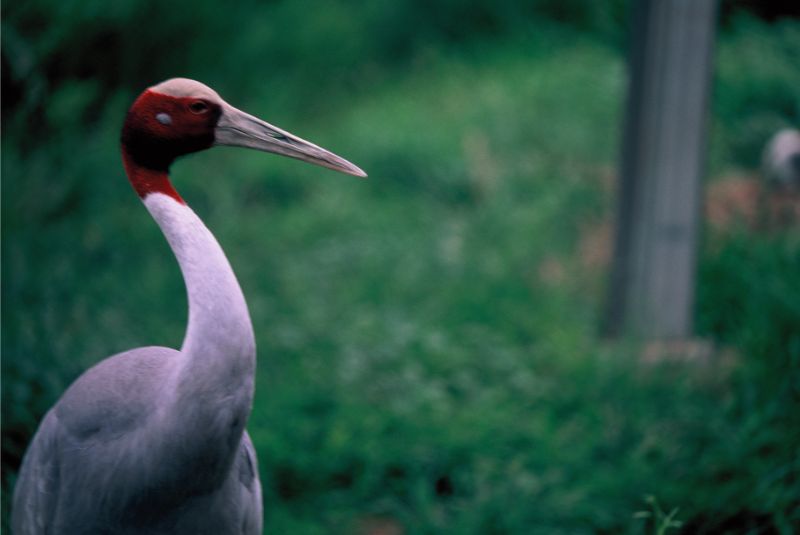
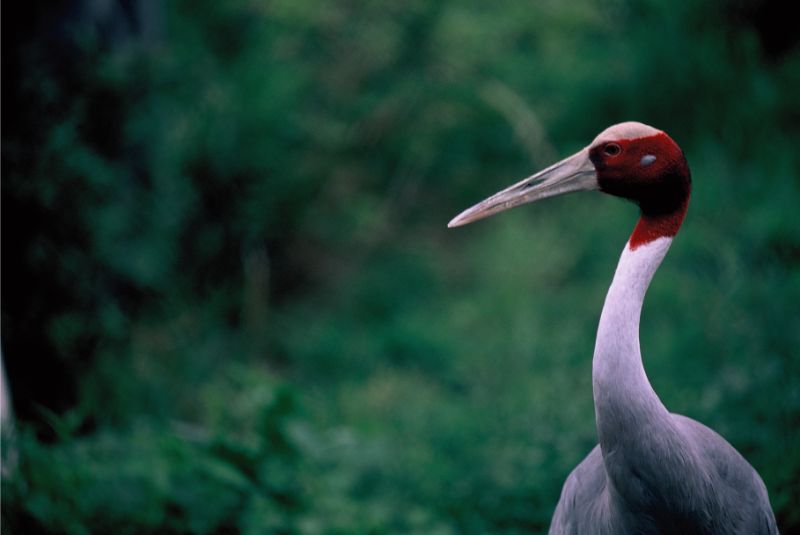
Took two shots of the Sarus crane before I realized I had the post in the frame. Moved around, waited for him to change direction, and went again. The 3d Color Matrix Metering failed me on this one. I think in general the Velvia needs to be given about a third of a stop of exposure compensation, but here I needed even more.

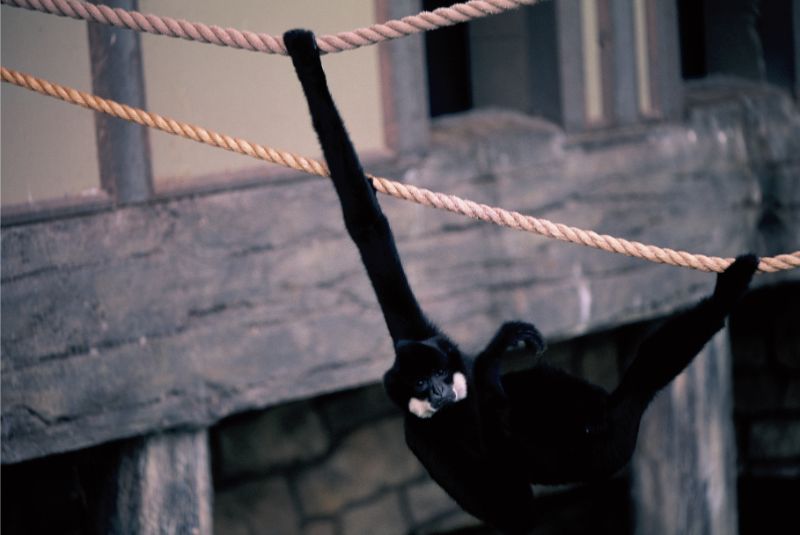
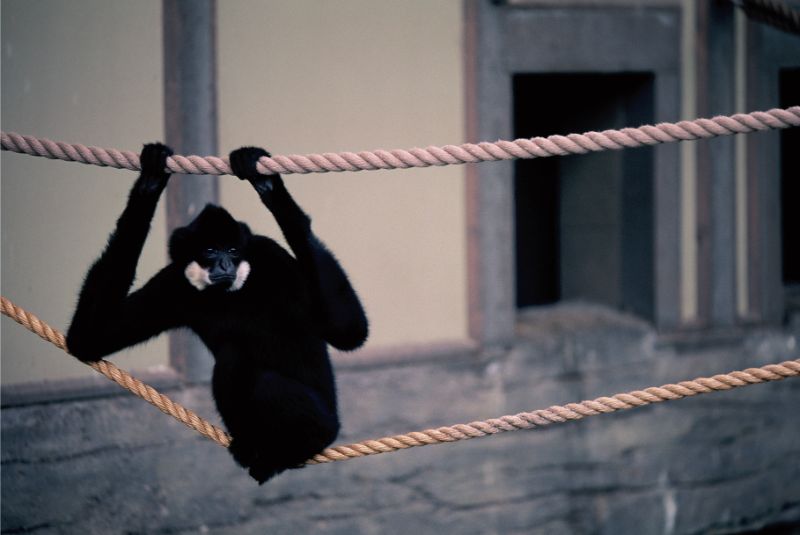
I was curious how the Velvia would render Briscoe’s black fur. I really like the way it brings out the slight blue tint in it from the overcast light.

None of these are particularly good shots of Billy, but I do really love the way the film rendered the out of focus waterfall in the third frame.

Going through these scans, I’m starting to wonder if maybe the VC on the Tamron 70-200 wasn’t playing as nice with the F5 as I thought it was. Either that, or I really was just pushing it with ISO 50 film in the overcast light; it *was* getting quite dark at this point. Once again, another stop of light would have created something real nice here, especially if the first frame was as sharp as the last one.

This was bad.

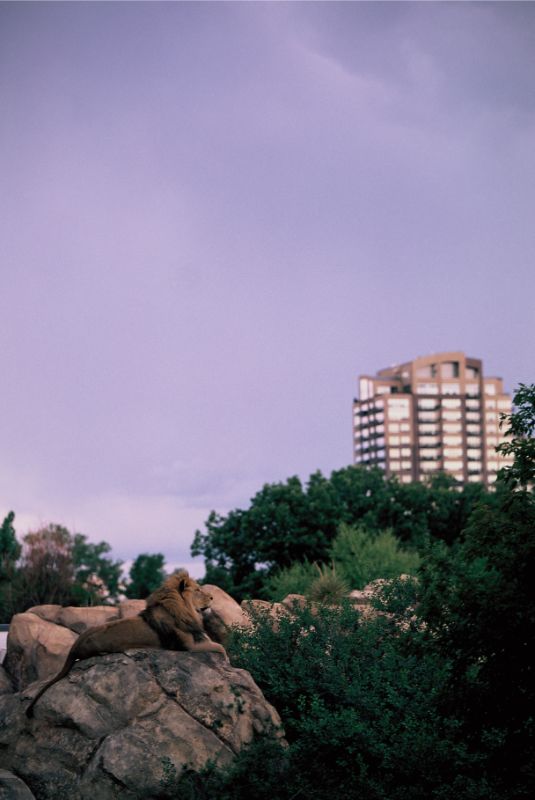
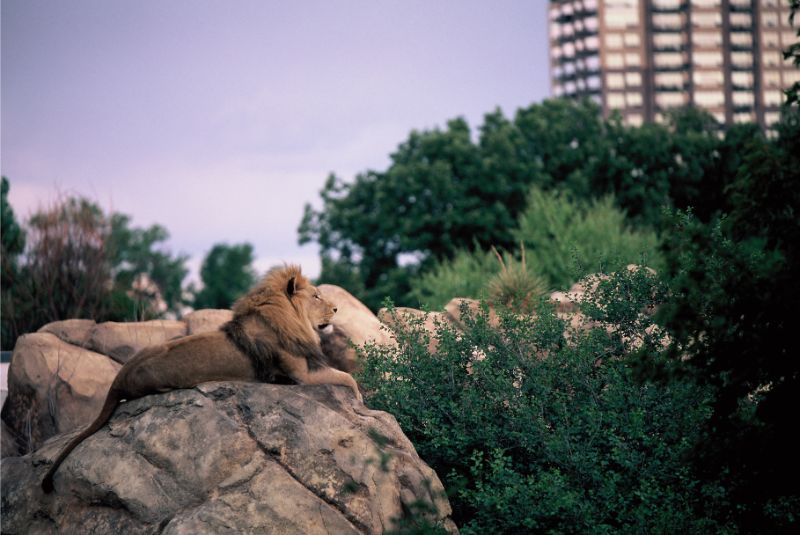
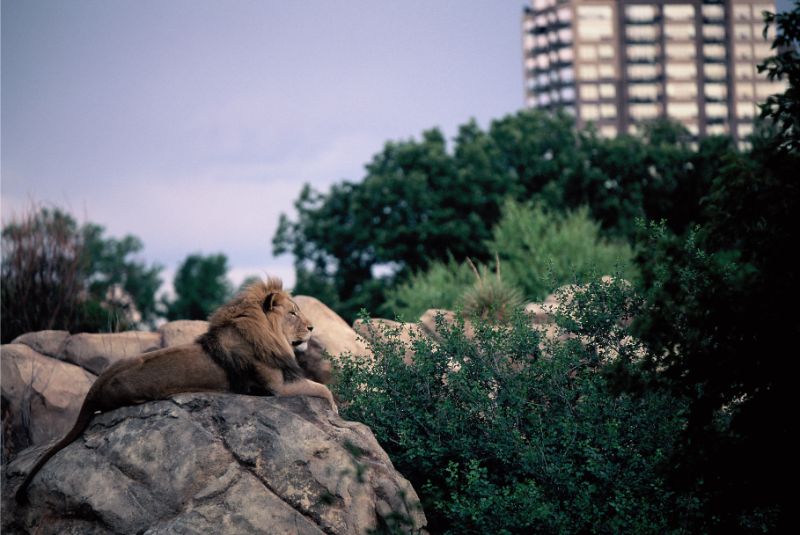
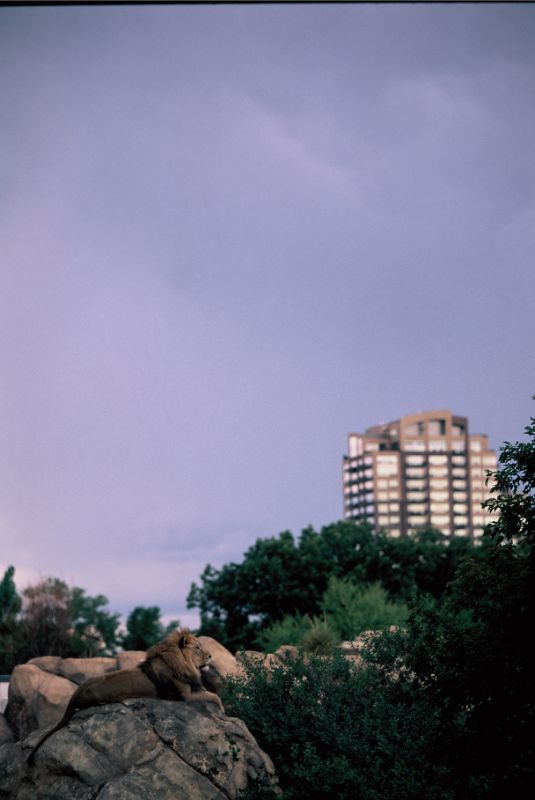
Making my way back to the entrance, I saw only one of the boys was left on the perch. The way the skies had shifted, I really wanted a nice shot of it. He never turned his head toward me, but I did decide to play with orientation a bit. I also knew I wanted a keeper out of this, so I manually bracketed a bit to ensure one of them had great exposure.

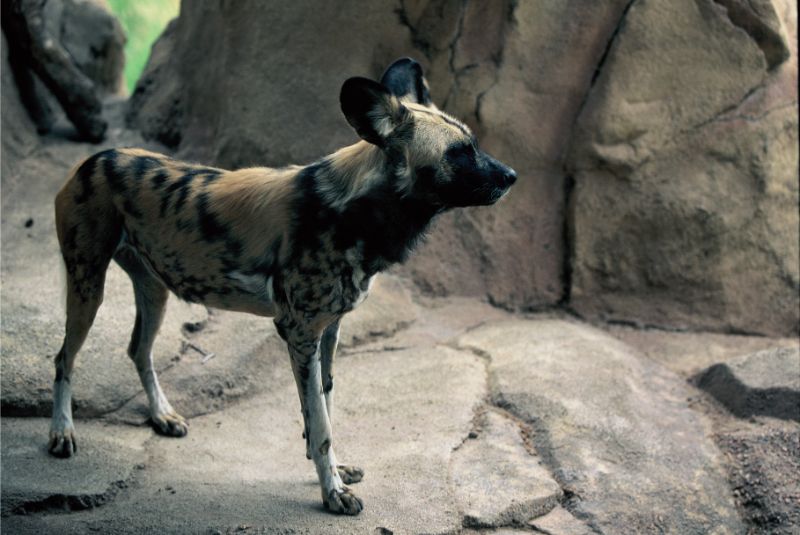
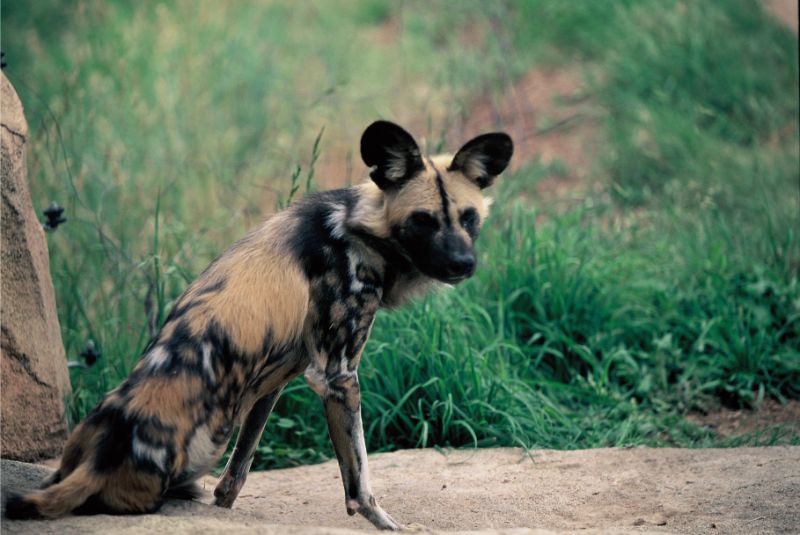
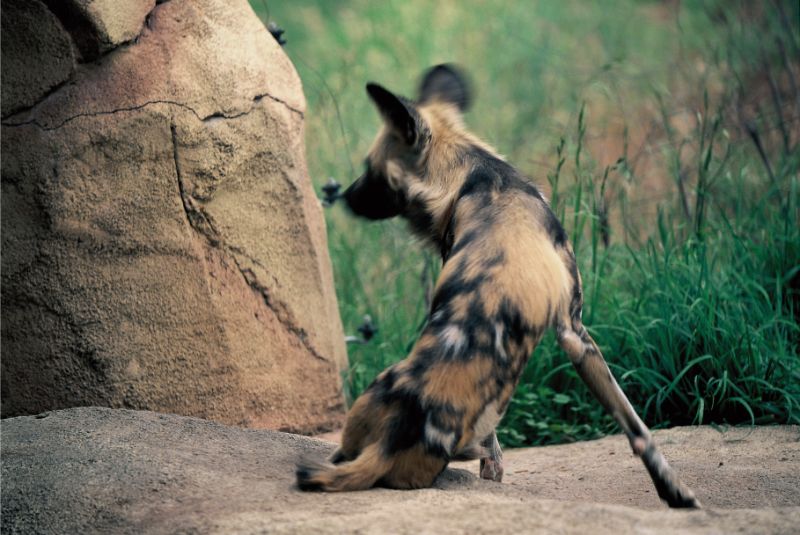
The last three frames I used on some of our wild dogs. The only dog I can rapidly identify is Nigel. For those not familiar with his story, I’ll share the deets on that some other time, but he’s pretty easy to tell apart because of it. These are what confirmed that even if the VC wasn’t always playing nice with the camera, it at least worked *some* of the time; that first frame is somewhere around 100, 120mm, with a shutter speed of 1/15th.

So that was it. My first roll of my new favorite color film. Step aside Ektar, you’ve been replaced by something that’s… uh… oh. Something that’s not super easy to find these days. Oh well.
What’s Wrong and What’s Right?

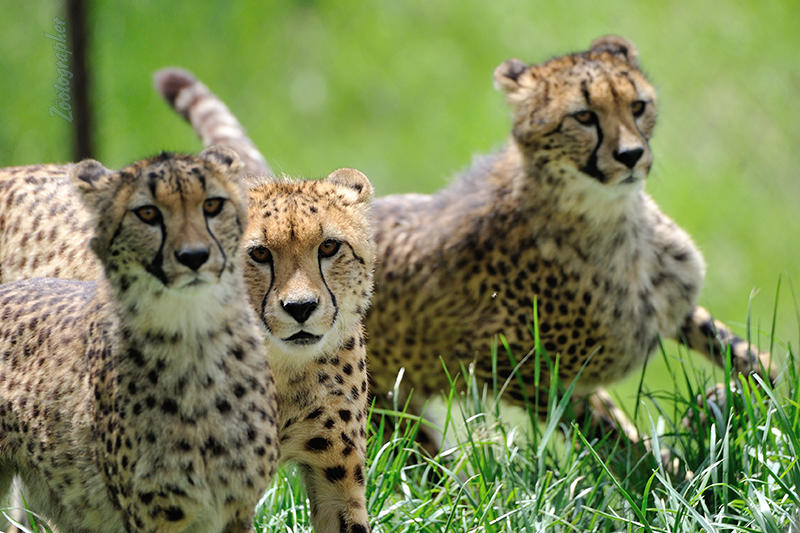
Three Cheetahs at Omaha’s Henry Doorly Zoo. 5/12/19. Nikon d700, Tamron 150-600 g2
I keep this shot on my main portfolio page for the Omaha Zoo. And at very first glance, that might be a questionable decision. There’s a fair number of things that are “wrong” with this image. The out of focus fencepost in the back is a little distracting. Not all three of the cheetahs are in focus. There are multiple limbs cut off in the composition. Those are all things that can make a photo go bad real fast.

So why do I keep it in a relatively featured position? All the things that are wrong with the image serve – I feel – as a way to highlight the big thing that’s right: the direct connection with the cat in the center.

When I took this, the whole pack had just been let loose into their habitat after the care staff had carefully hidden snacks in various places as a form of enrichment. They knew what was up and were charging out to go treat-hunting. Cheetahs are famously fast animals, so I had to put as much trust as I could in the eight frames per second the d700 could capture. When I scrolled back through them, there was something a little special about this one. Yeah, the composition wasn’t perfect. But the sunlight was poking through the trees just perfectly as to highlight the one cheetah that was not only in focus, but had paused for a fraction of second to stare at the photographer on the other side of the fence. The cheetah that had paused for a fraction of second to make a connection with not only me, but – through the very nature of photography – anyone else who happened to get a glimpse of that image in the future, yourself included.

Is this the best photo I’ve ever made? No. Absolutely not. But it would be far too easy to throw it out for everything that’s wrong with it, and ignore those little bits of magic that make it right.

Hip to be Square

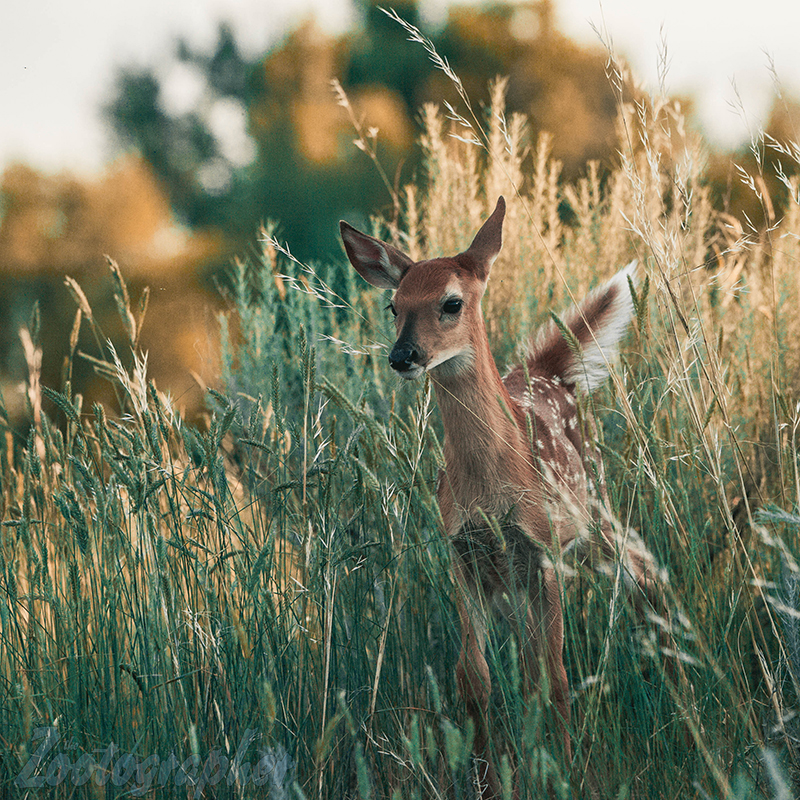
Baby Whitetail Deer at Arsenal Wildlife Refuge. .6/29/19. Nikon d700, Tamron 150-600 g2

Buy a print here.

This was luck and not luck. Luck was baby jumping out of the grass whilst I was making pictures of mom. Not luck was getting one sharp shot in the 3/4 of a second I had before baby ran behind my car. 8 fps on the d700 with the battery grip, 6 shots in 3/4ths of a second, not a lot of reaction time. Especially when the one sharp shot didn’t have a composition I liked.

So? Square crop. I don’t like 4×5 crops; they feel old to me. But if I *am* going to crop, I’m going to do it in a manner that makes sense for print. Square it is.

My Cousin Vin

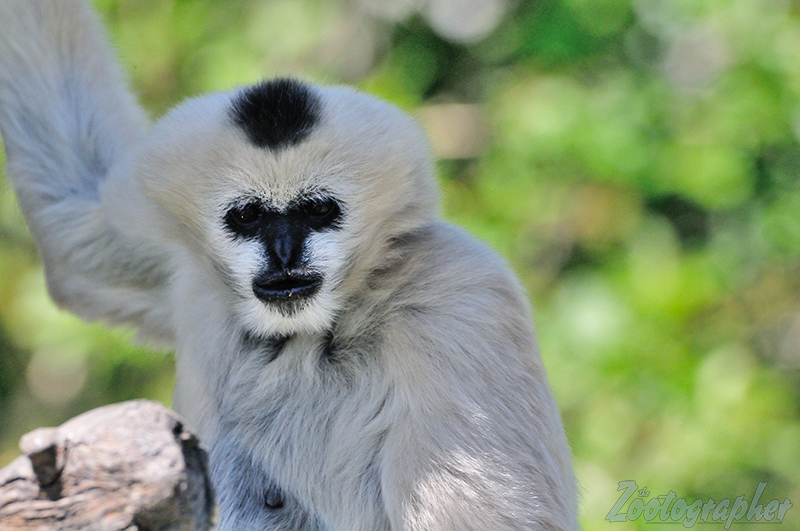
Vin, White Cheeked Gibbon at the Denver Zoo. 6/16/19. Nikon d300s, Tamron 150-600 g2

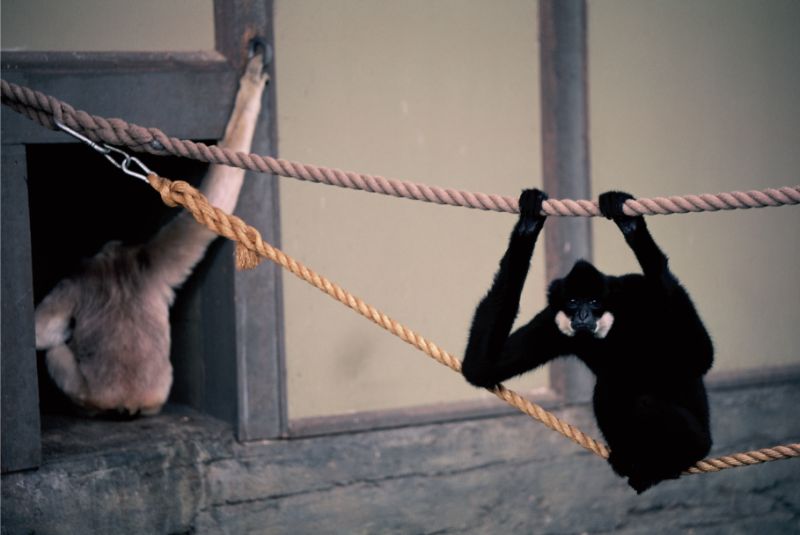
The females of this species aren’t so much white cheeked as they are… well… just white. Except for those spots on the face. You know, those spots where all the expressions and relatability are. I probably could have brought this one up a bit more, but that rock and the nice melty background would have gone overexposed a little too fast. So I guess it’s not really Vin’s fault this time.

Vin shares Gibbon Island with her platonic life partner Briscoe, and she can often be seen peeing on zoo visitors who think that standing directly under the lesser ape 10 feet above them is a smart thing to do. Brisco, like the other males of the species, is all black save for the taxonomically implied white cheek, making photographing them together one of the great photographic challenges in all of history.

The Best Set of Eyes

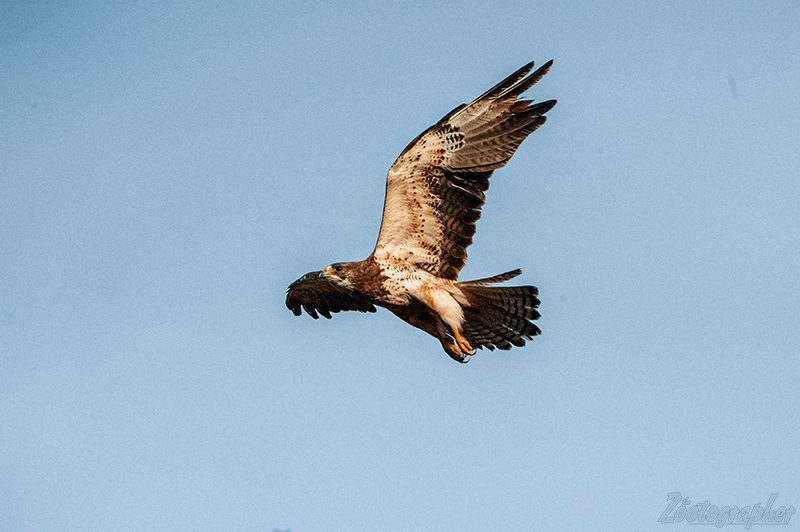
Swainson’s Hawk at the Arsenal Wildlife Refuge. 6/29/19. Nikon d700, Tamron 150-600 g2

Buy a print here.

One thing that is really easy to pick out as a photographer is another photographer. You see a guy with a monopod, that black and gold nikon neckstrap, and the Sigma version of your lens, pointing it at a far off tree, it’s probably worth a stop. Using their eyes instead of yours will find shots you didn’t know were nearby.

Such was the case today. It’s been 100f+ in Denver, and I was having trouble sleeping. So screw it, grab the camera and let’s go hit some morning light at the wildlife refuge. A lot of great active deer at 6am, but seeing a guy who is clearly not shooting landscapes, I’ve got to stop and see what he sees. Turns out it’s a Swainson’s Hawk that’s flying a hunting route back and forth between two trees.

I neglected to get a website link for Janus, my bird buddy for the morning. But if he ever finds his way onto this page, thanks dude!

Getting there Early

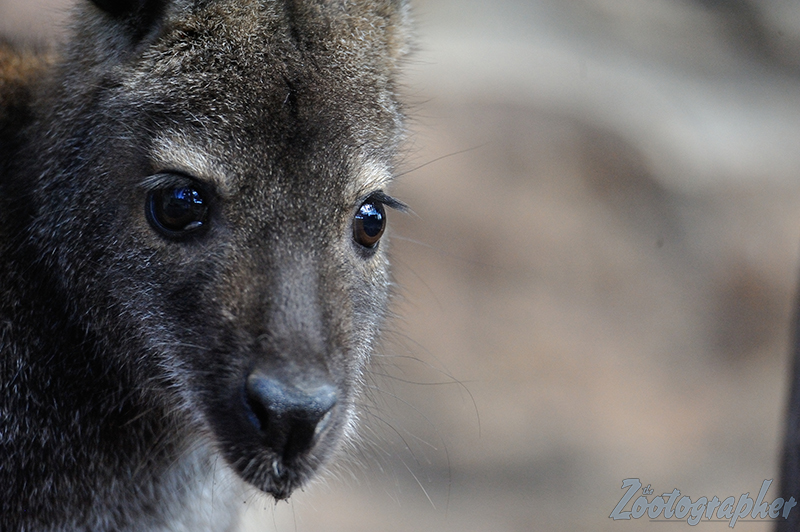
Wallaby at the Cheyenne Mountain Zoo. 4/28/19. Nikon d700, Tamron 150-600 g2

It’s not a big secret that the best time to visit the zoo is first thing in the morning. The Cheyenne Mountain Zoo in Colorado Springs in particular has a couple spots that it’s pretty magical to be the first to visit.

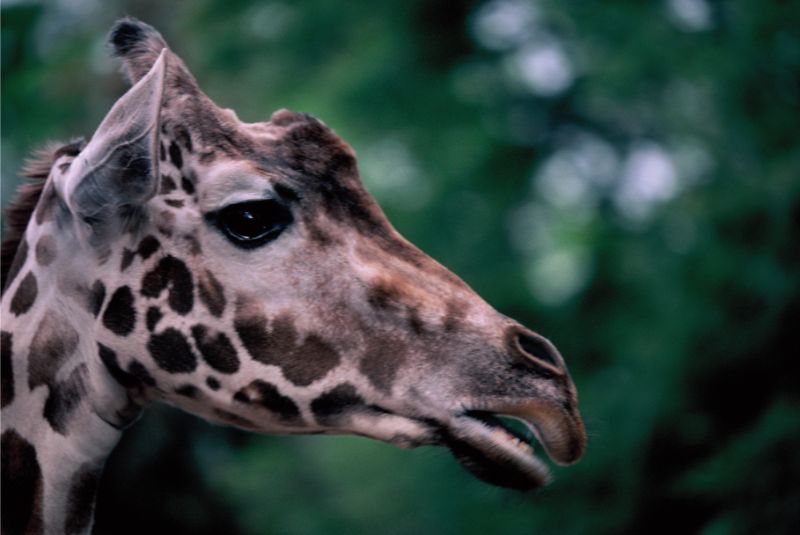
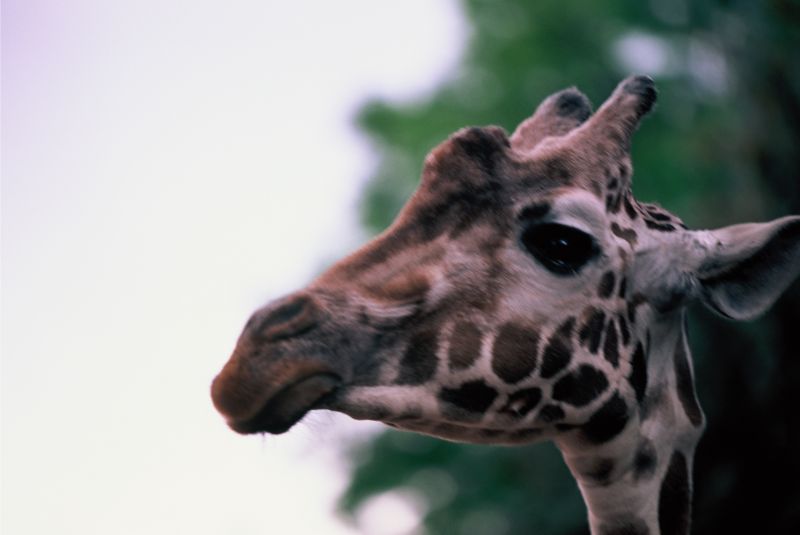
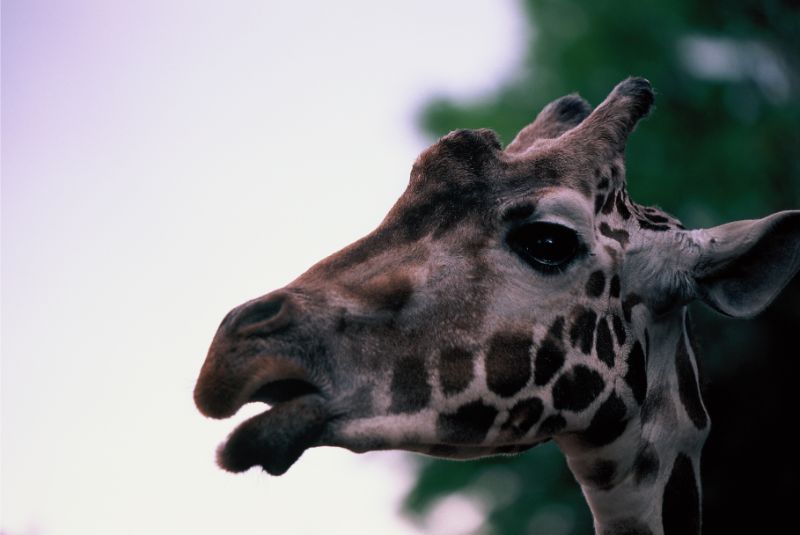
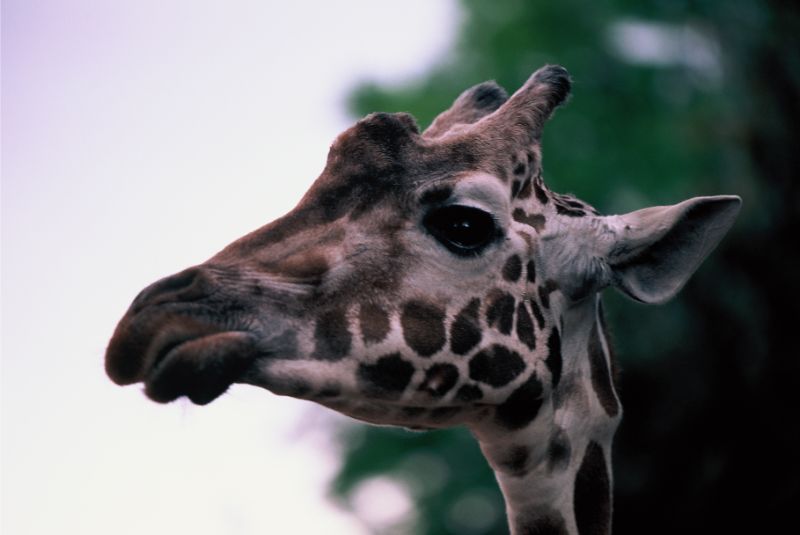
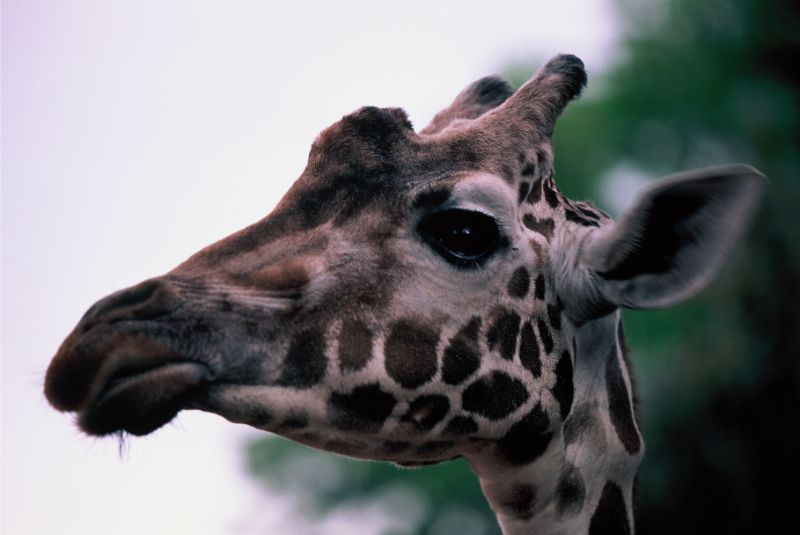
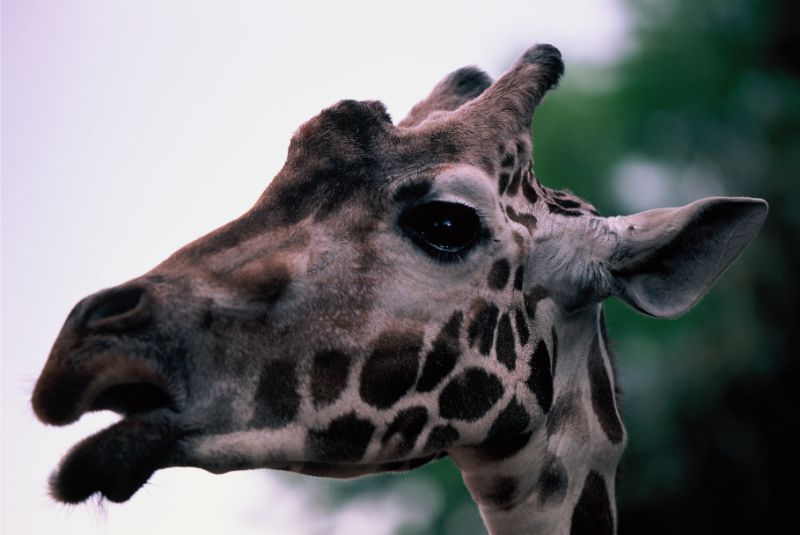
They’re pretty well known for their giraffe platform, and it’s hard to miss at the entrance; indeed, it’s a pretty big source of funding for them. But while it’s great getting a little one on one time with a giraffe, I like to think the real magic is up the hill a little bit.

Past a couple gates, you’ll find some free-roaming wallabies. There’s about 20 minutes in the morning when they’re interested in people, where they want to get close to you and interact, and those 20 minutes are some of the best you’ll spend at any zoo.

Wrastlin’

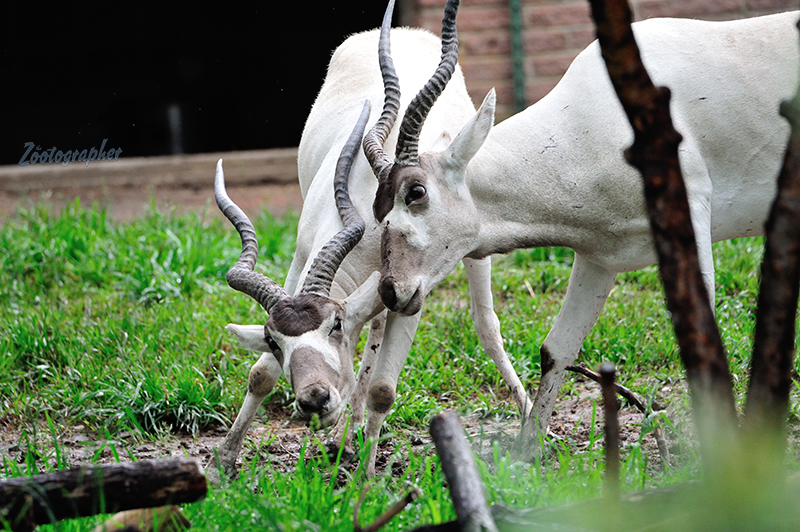
Franklin and Marshal, Addaxes at the Denver Zoo. 6/22/19. Nikon d700, Tamron 150-600 g2

Franklin and Marshal have a special place in my heart. Part of being a volunteer at the Denver Zoo is getting a tiny bit of insider information. These were the first animals that I got to know about before the public learned about them. They also have a special place in my heart because they’re amazing and I love them.

I’ve seen them wrestling quite a bit. Clacking their horns together in a bit of play is one of their favorite activities. I have versions of this shot with better backgrounds, some in the snow, some in the grass, some in the mud. But I don’t have a version with better Addaxes. Franklin’s look right into the camera, Marshall’s eyes going forward to his soon-to-be headbutt target. It’s just great and fun and dynamic. You can see the action and the emotion.

Addaxes are pretty wild. Living in the Sahara Desert, they can go a ridiculously long time without obvious water access. They get by on the dew and soaked up water of the plants they consume. They also dramatically change color between winter and summer, losing their dark markings and becoming almost solid white in summer in order to help manage heat.

Unfortunately, they’re becoming a lot less wild. At last count, there were three of them. Not three thousand, not three hundred. Three. Even if that were only 10% of the population, it’s not enough to sustain their existence. These guys are basically doomed to extinction in the wild at this point, and it’s unbelievably sad.

Terns in Flight

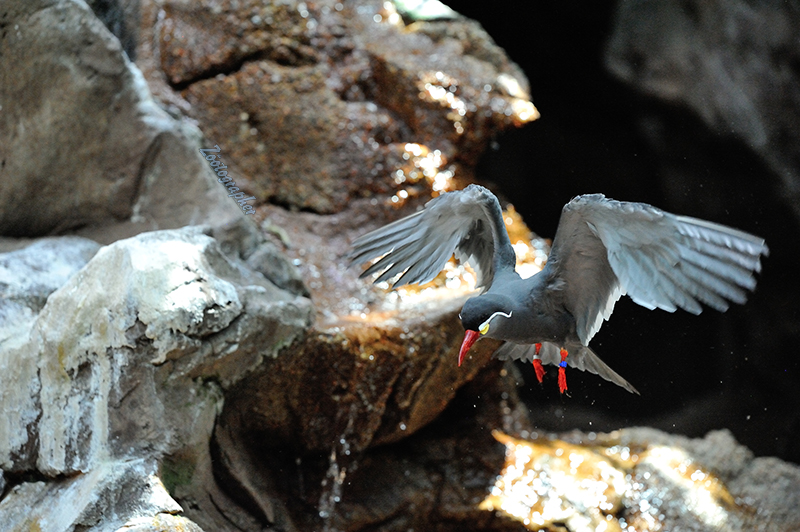
Inca Tern at the Denver Zoo. 6/19/19. Nikon d700, Tamron 70-200/2.8 g2

Didn’t really want to haul the 150-600 or the backpack around today, so I hit the zoo with a simple kit: the d700, and the Tamron 70-200. It was a little toasty outside, one of those days where the mock-jungle of Bird World feels *less* hot and humid than Denver’s mountain air.

I’ve been trying for a while to get a great shot of one of the Inca Terns in flight. I know their behavior patterns well enough that I can generally predict their movement, but birds in flight is still not my strong point, and the autofocus in the 11 year old d700 is still not the fastest. This is still not a great shot, but it’s moving in the right direction. The light’s not where I want it, it’s not *quite* as sharp as I’d like, but I love the separation in the feathers at the tips of the wings as he’s spreading them out to decelerate.

Deer diary

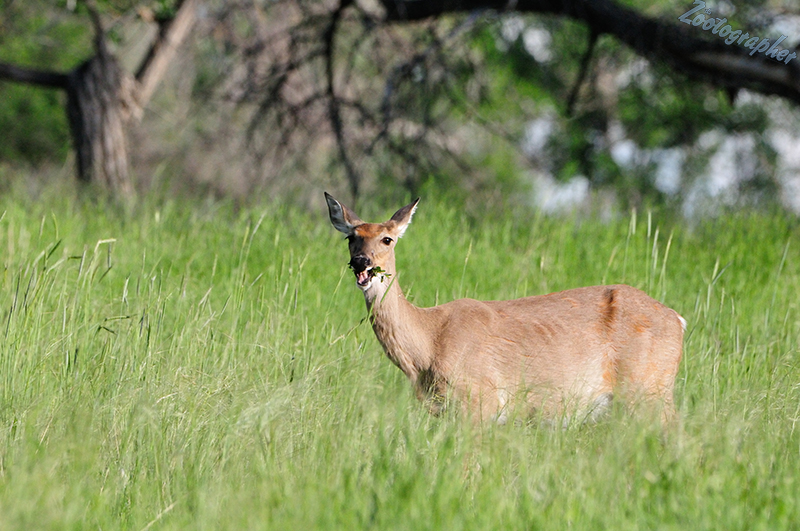
Whitetail Deer at Arsenal National Wildlife Refuge. 6/8/19. Nikon d300s, Tamron 150-600 g2

Buy a print here.

Deer diary,
I definitely can’t get enough of this place. Seriously still can’t believe it’s only 10 minutes from home.

Design a site like this with WordPress.com
Get started