I’m going through a lot of different emulsions right now, some I know, most I don’t, because I plan to combine this OneRoll format with my project of visiting all the top zoos in America: OneRoll, OneDay, OneZoo. I just need to decide what film I want to use for the entirety of the project. So this roll – shot over two visits to the Denver Zoo – was an emulsion I know relatively well. Ektar 100 used to be my both my color film of choice and my go-to film in general. I never did *a lot* of film shooting, so I’m no expert, but I’ve shot more of it than anything else.
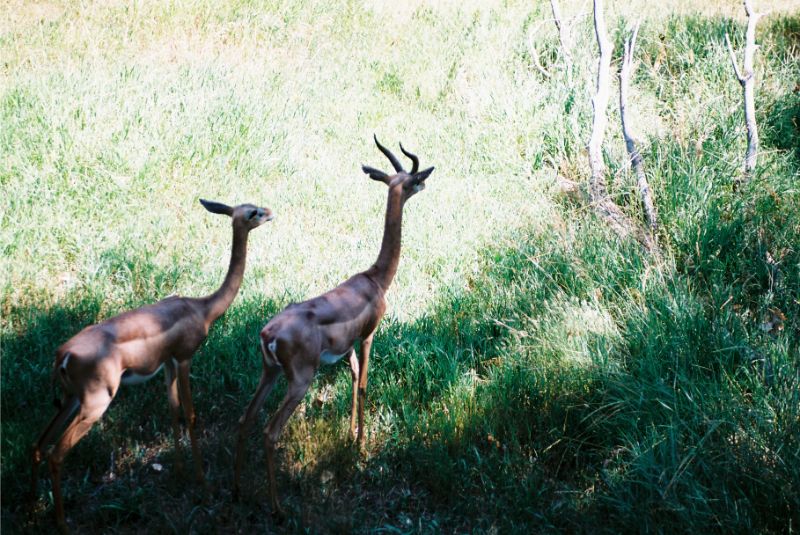
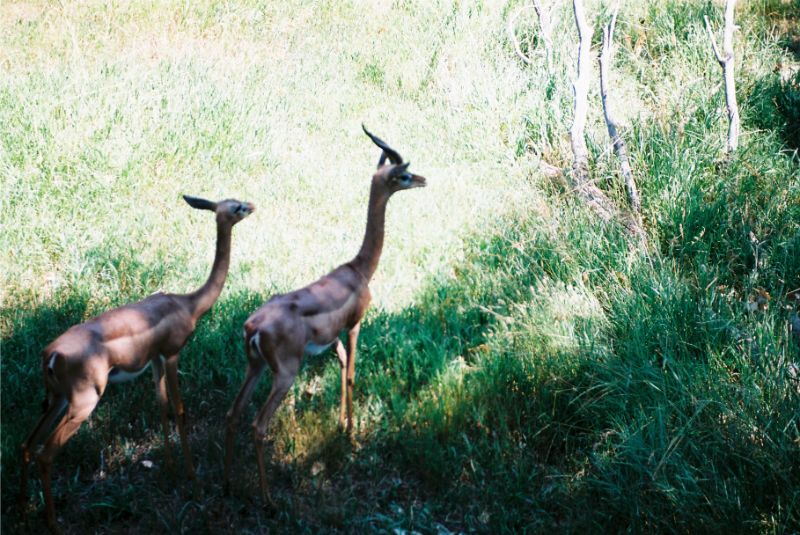
These two shots of the Gerrenuks are garbage; don’t know why I took them in that light.
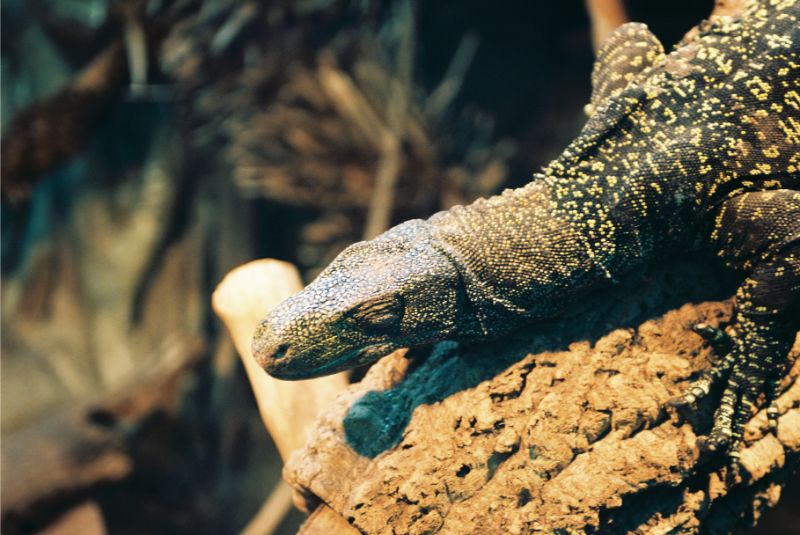
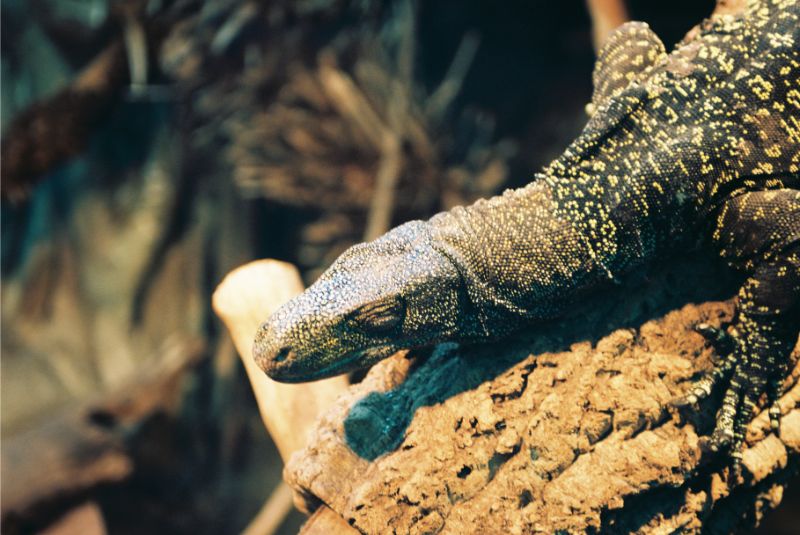
I love the way the lighting works in the various monitor habitats. The strong hot light up above is mostly there for climate control, but that high direct light does a really good job of showing off the texture on reptiles.
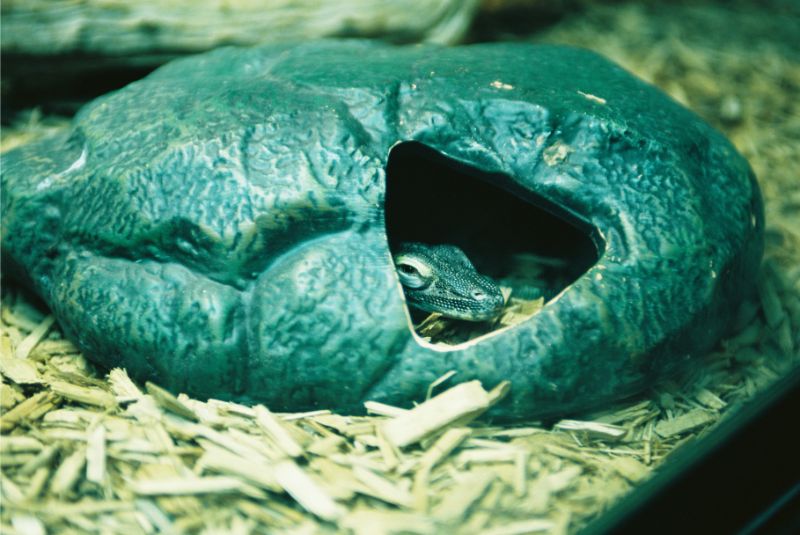
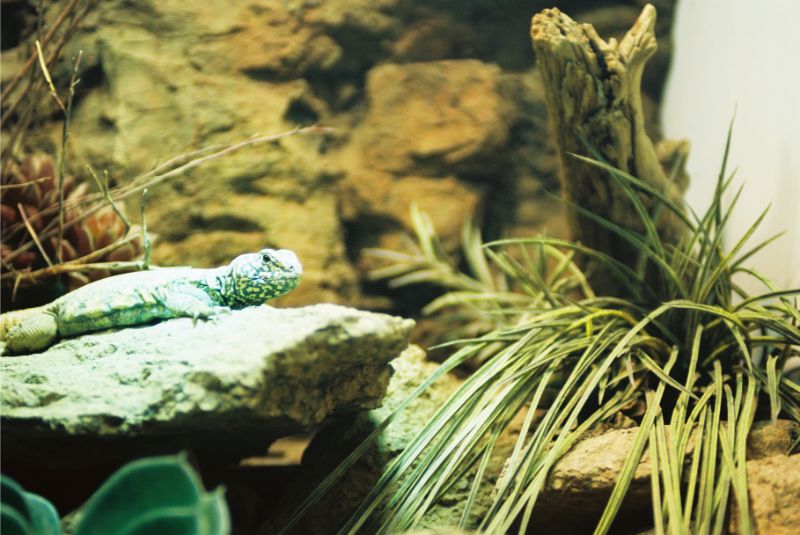
Same thing is true with this baby komodo and this… I don’t remember what it is. Even though the second shot I exposed a little poorly. I’m learning to work with the 3d matrix metering on the F5 still, and – honestly – the more I do this the more I just want to go back to spot metering.
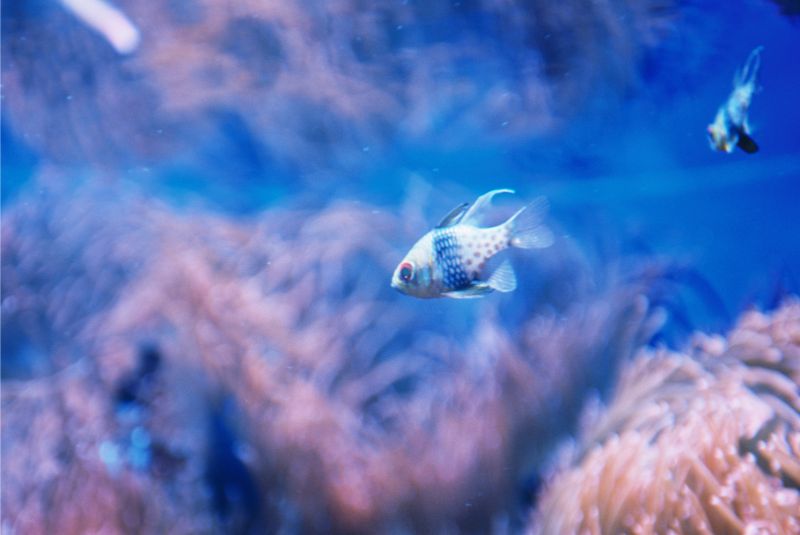
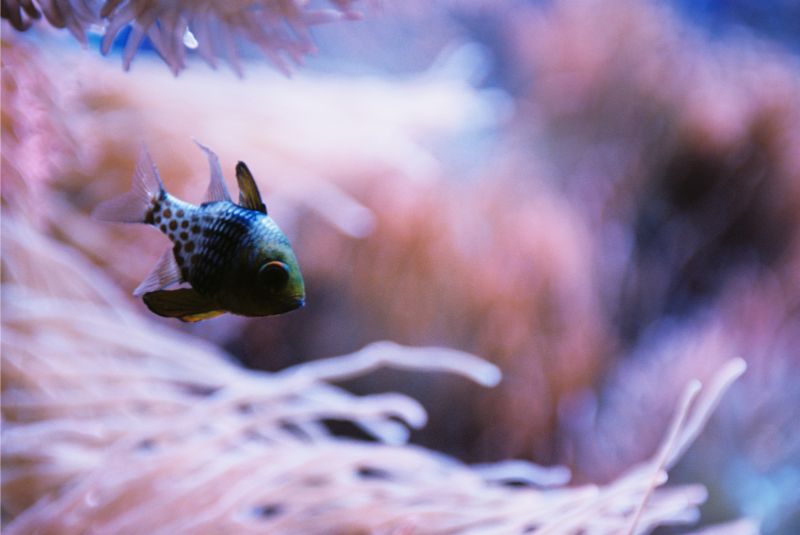
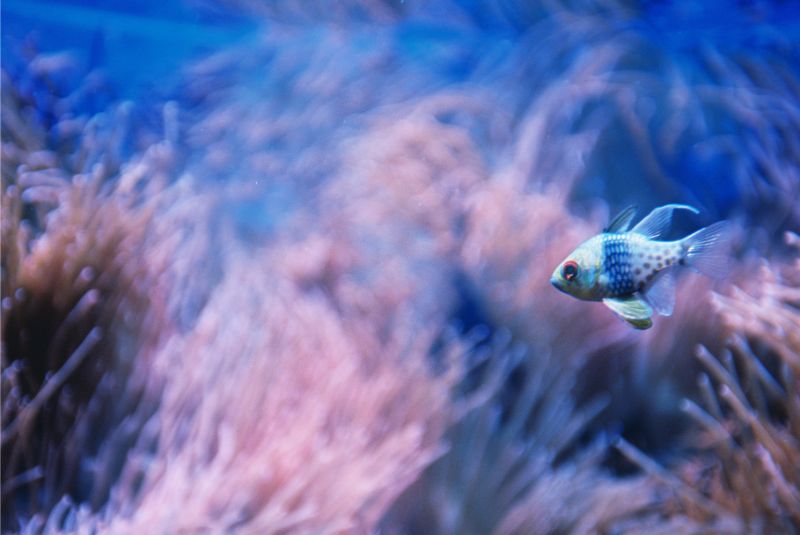
Didn’t know how the film would react to aquarium lighting; I don’t like it. At least in this one tank, there’s too much bringing out of the magentas.
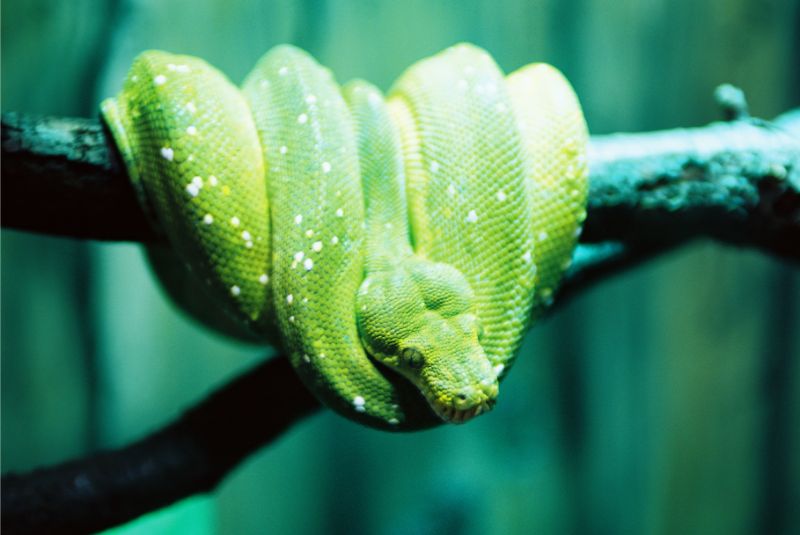
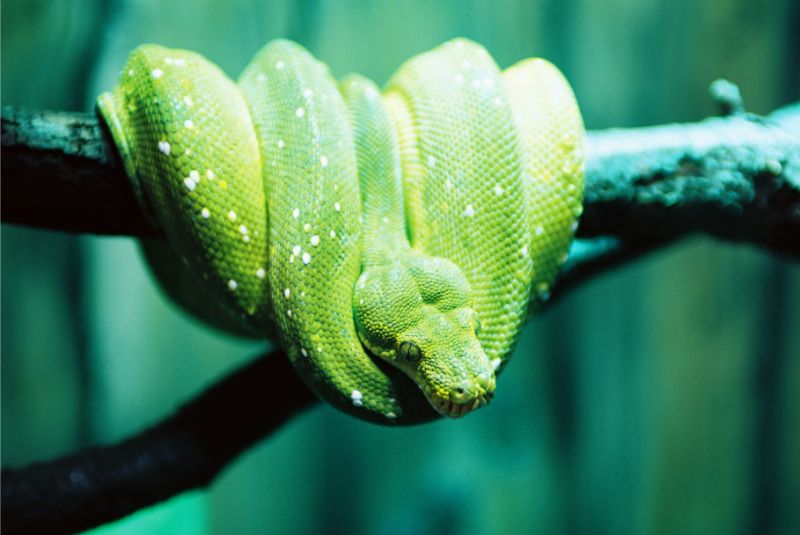
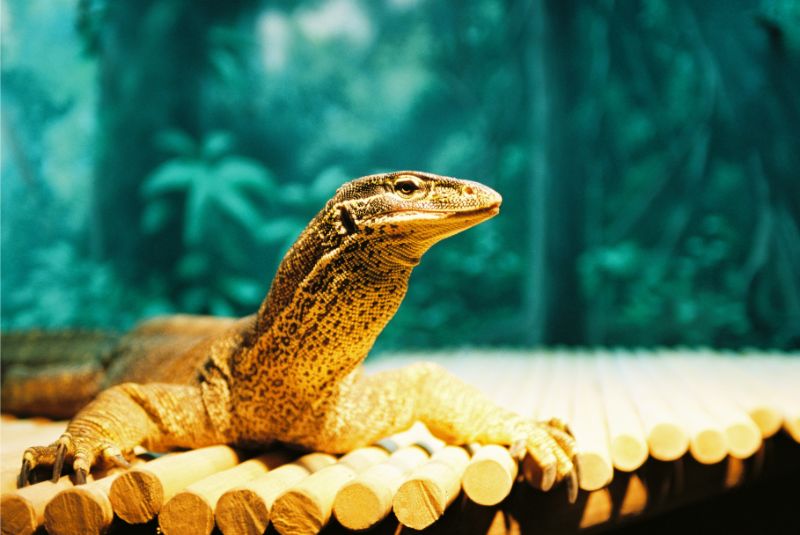
I’m surprised that I got this snake in focus. I took two just to be safe and neither of them are terrible. This entire first day was shot on the 28-70/2.8 which has no vibration control at all. I want to say these were done at 1/15th and I feel like I couldn’t have been any wider than 50mm on those shots. I rely on the VC of my modern Tamron lenses a lot, but I do like knowing I can still hand hold at slow speeds in a not awful manner. Zeus the Nile Monitor is always handsome.
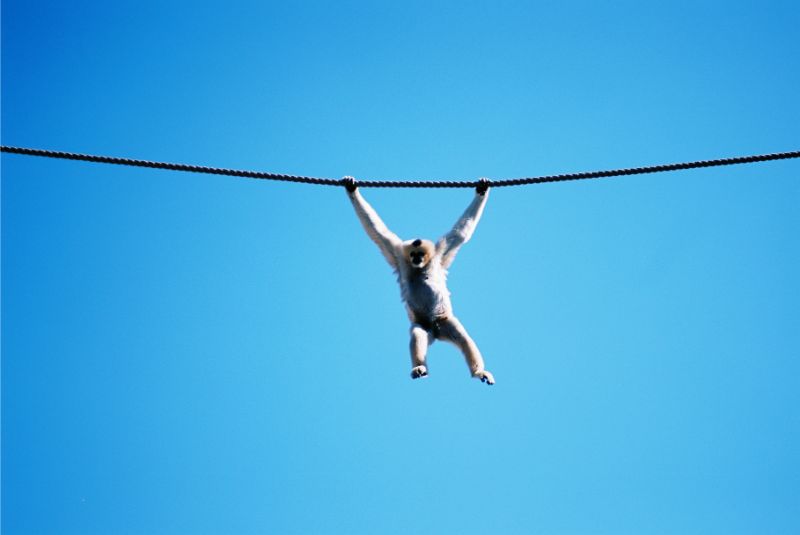
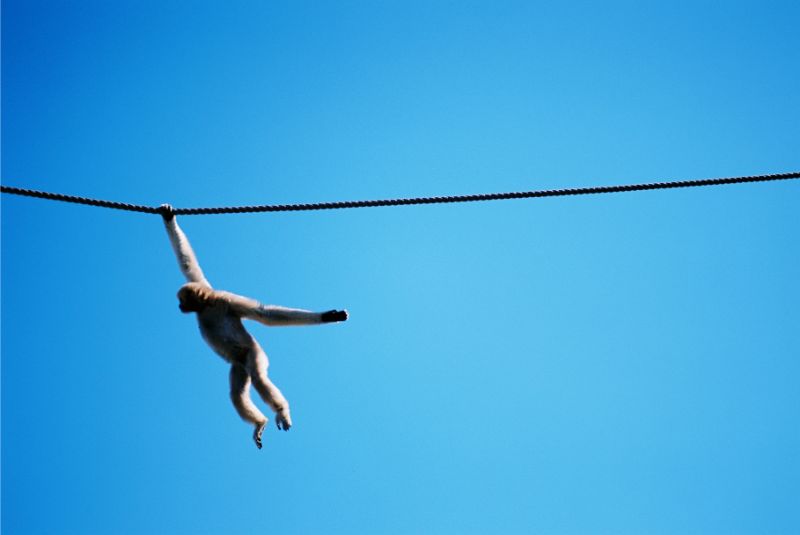
The light was on the wrong side of Vinh here, but I remembered pretty vividly how much I love the blues that Ektar produces, so I gave it a shot anyway.
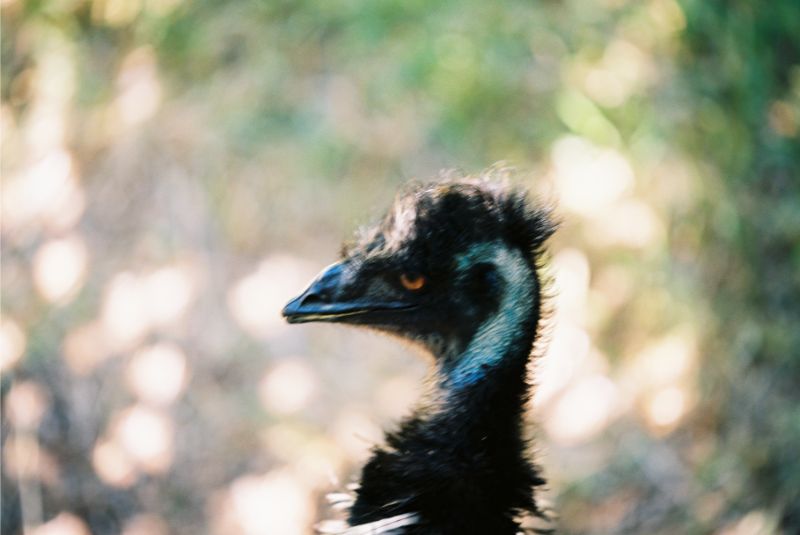
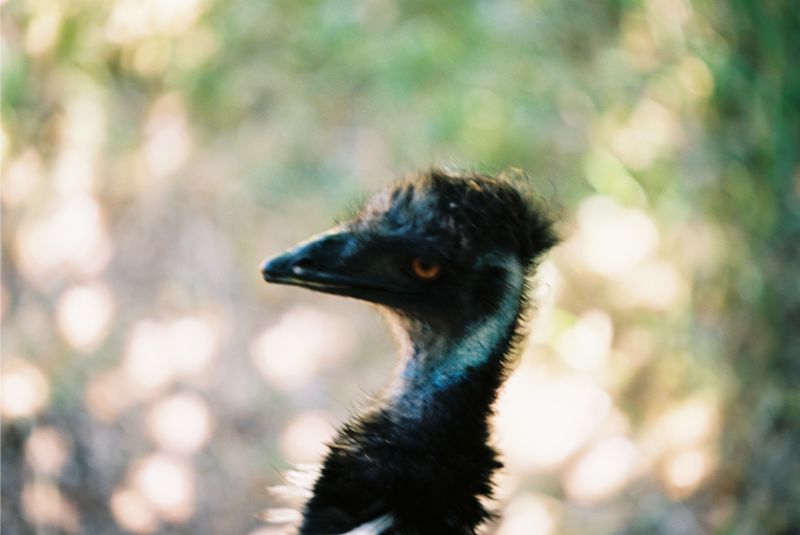
This was the beginning of the 2nd trip, having switched the 28-70 for the 70-200. I’d been having trouble because the Z6 seems to always stop down the 70-200 to F/11ish when it disconnects. It works perfectly when shooting, but disconnecting, it doesn’t leave it wide open, which was troublesome with the fact that the F5 won’t control aperture on it at all. I ended up bandaiding the problem by just putting the lens on the d300s to open up the aperture before putting it back on the F5. There’s probably a better way; I hope there is. I just don’t know it yet.
Oh yeah, These shots are of Ralph the Emu. He’s one of my favorites at the zoo, but this shade was too dark for the ISO100 film. He was also refusing to stay still.
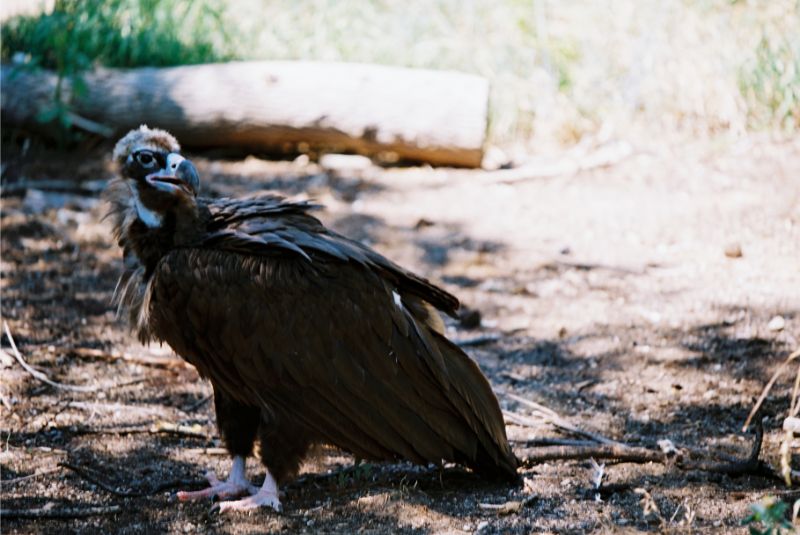
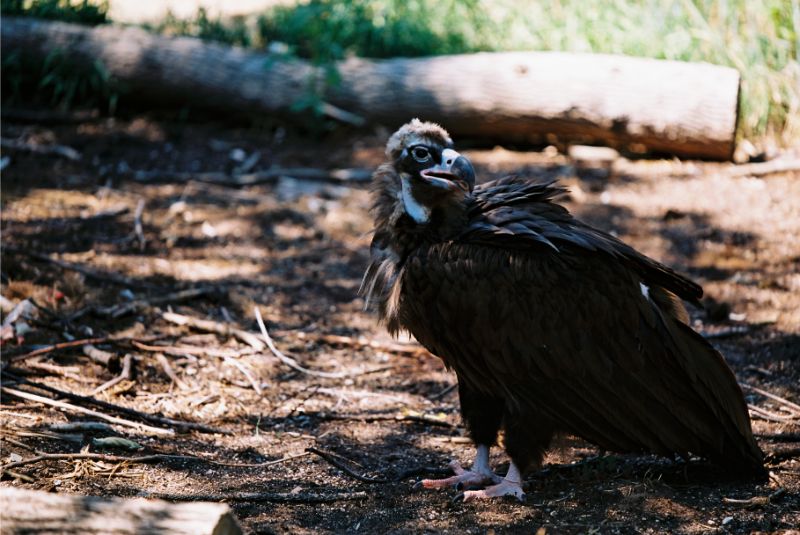
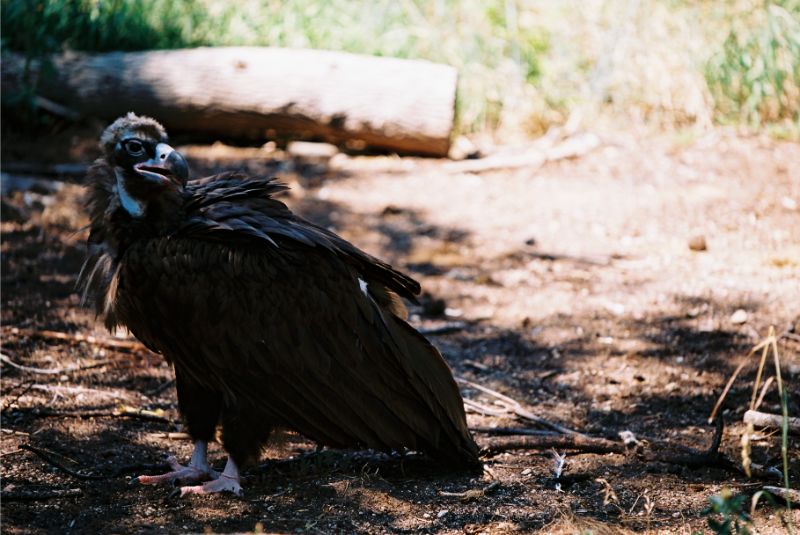
Light wasn’t the best on Drogo here, but I did want to check how the pale blue in his beak would translate.
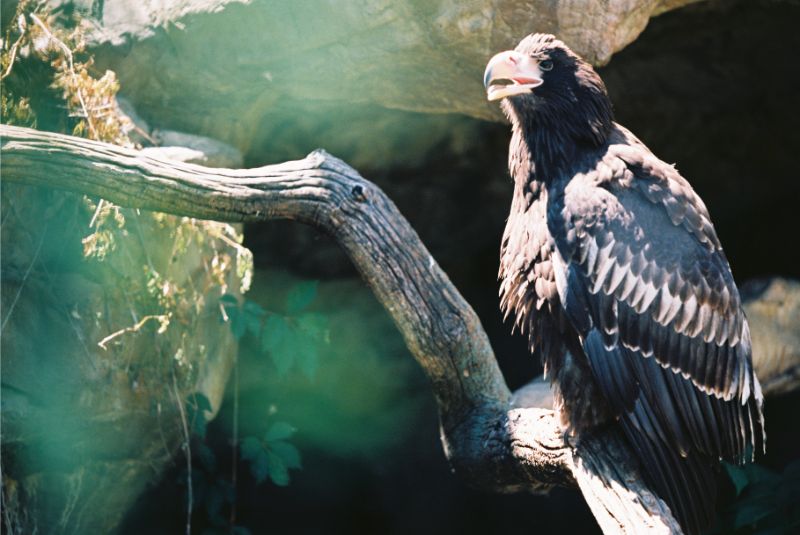
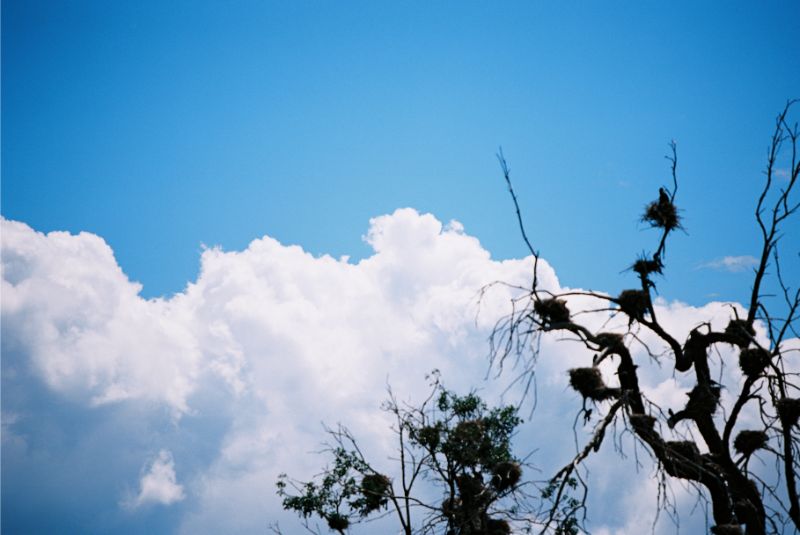
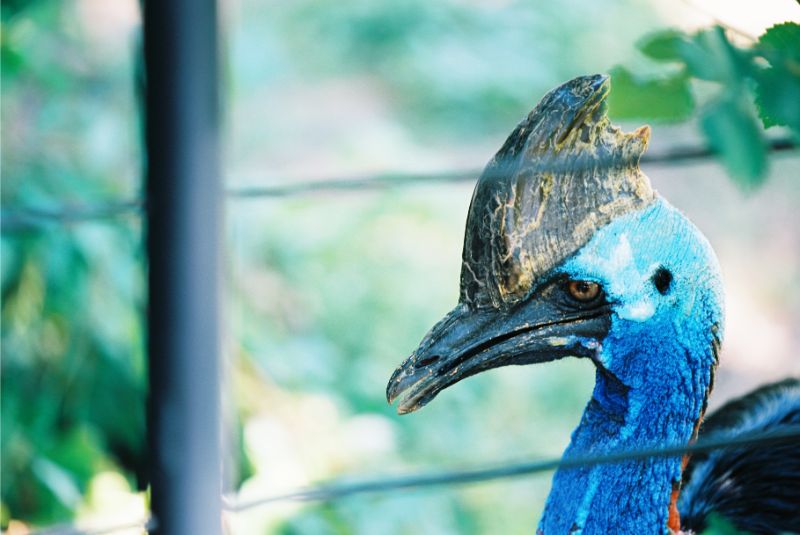
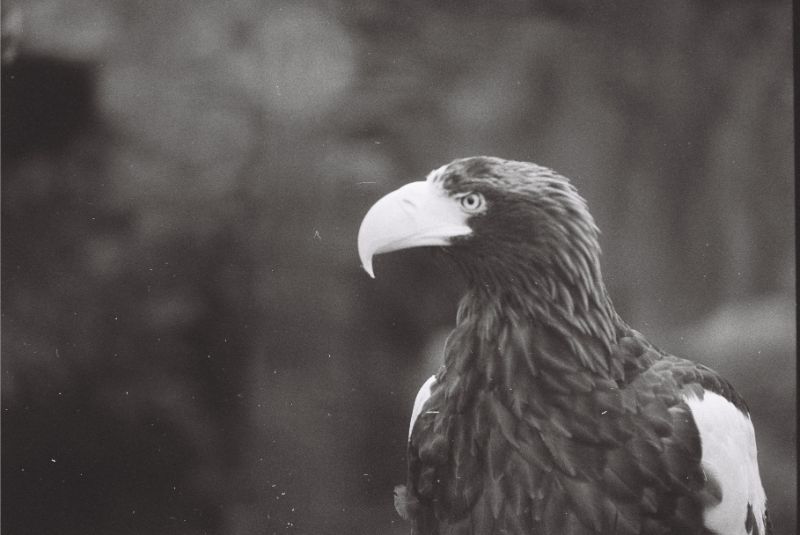
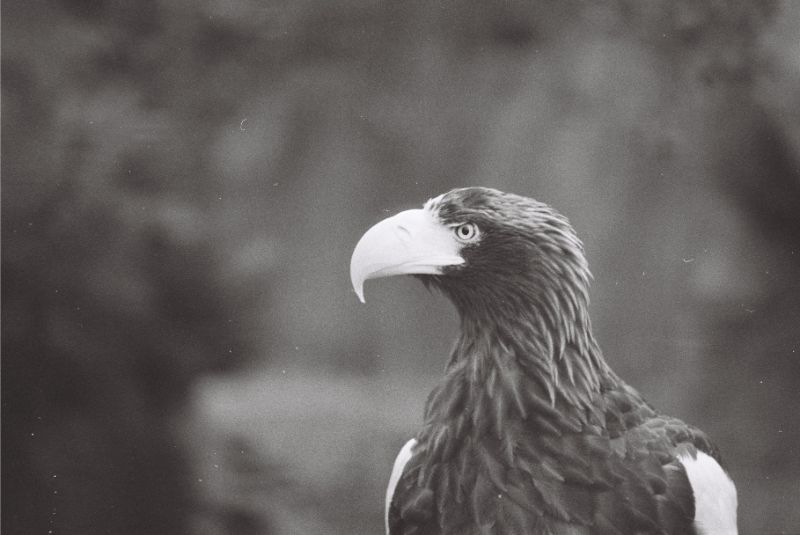
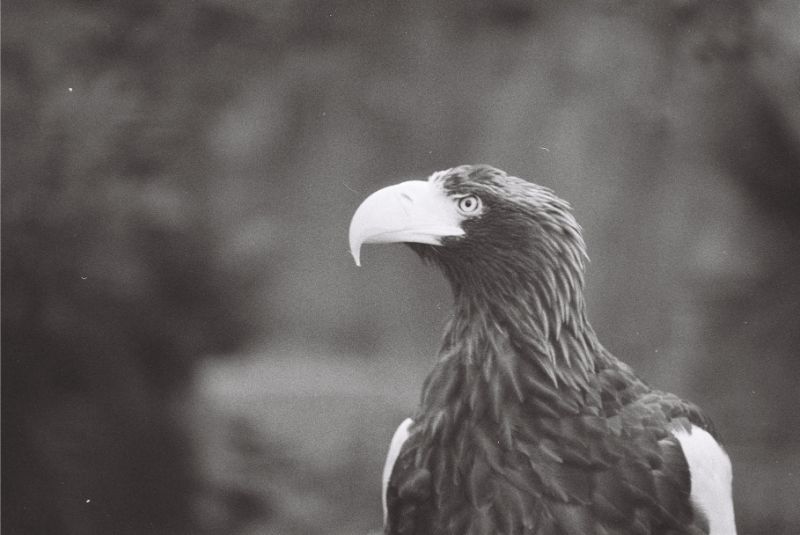
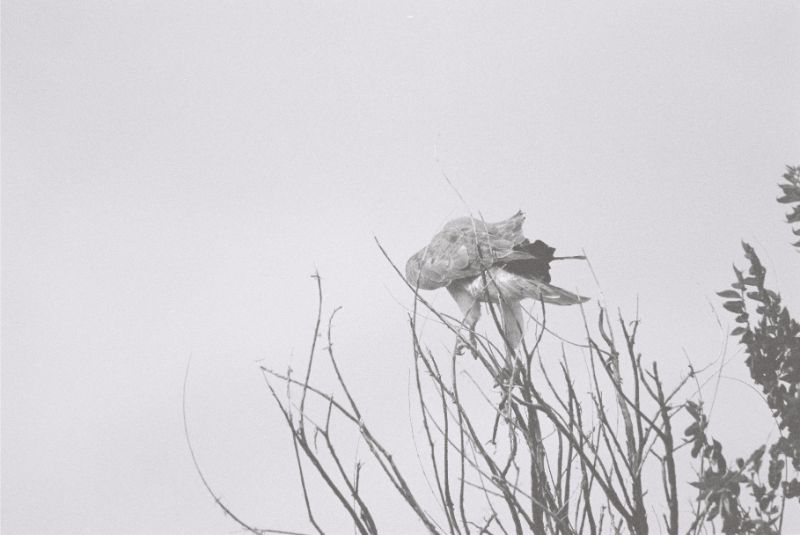
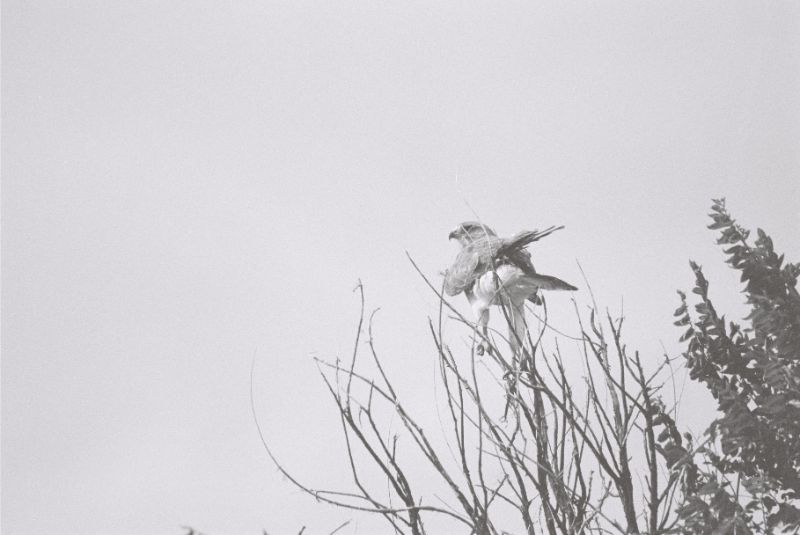
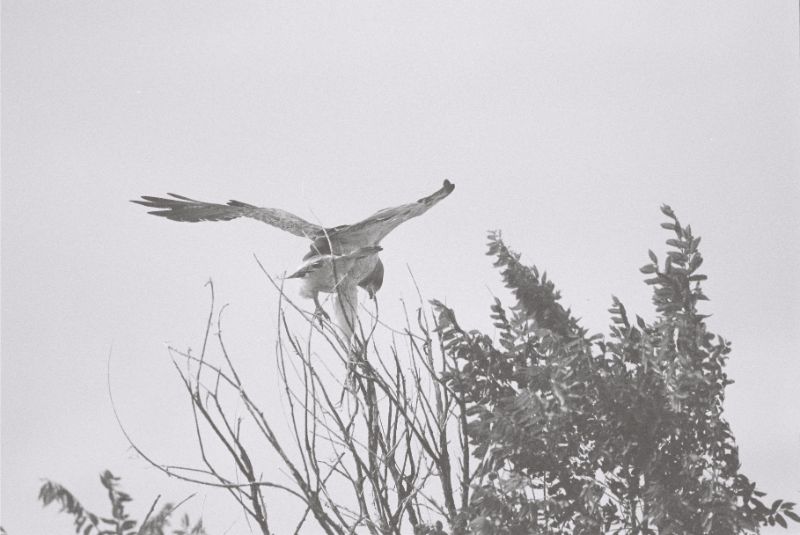
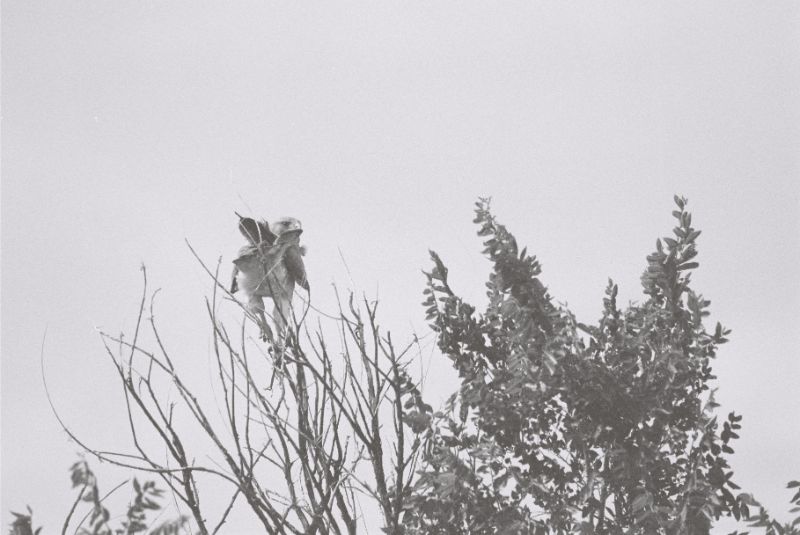
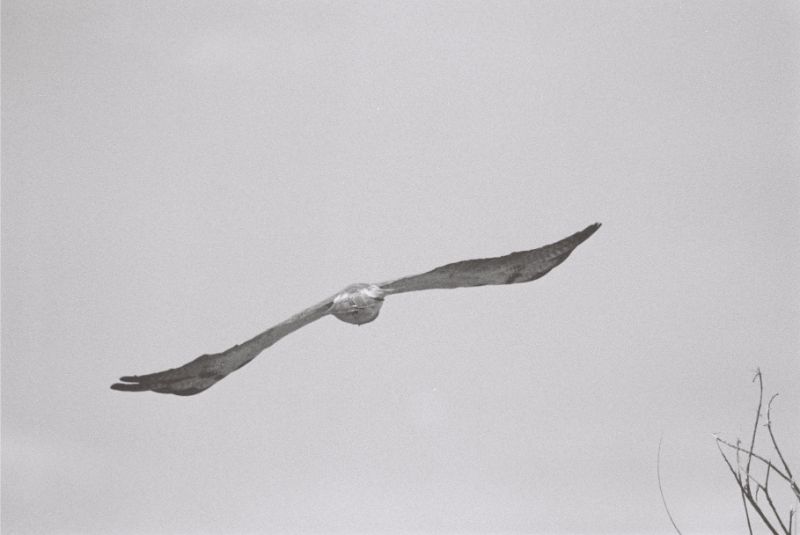
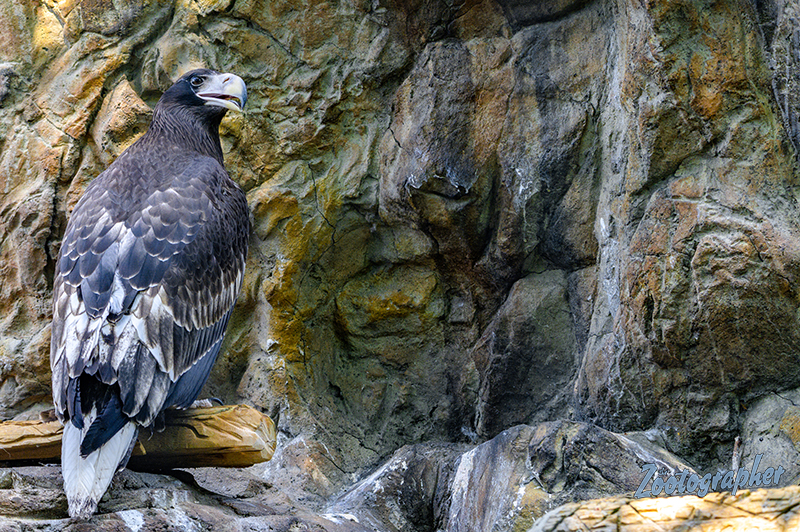
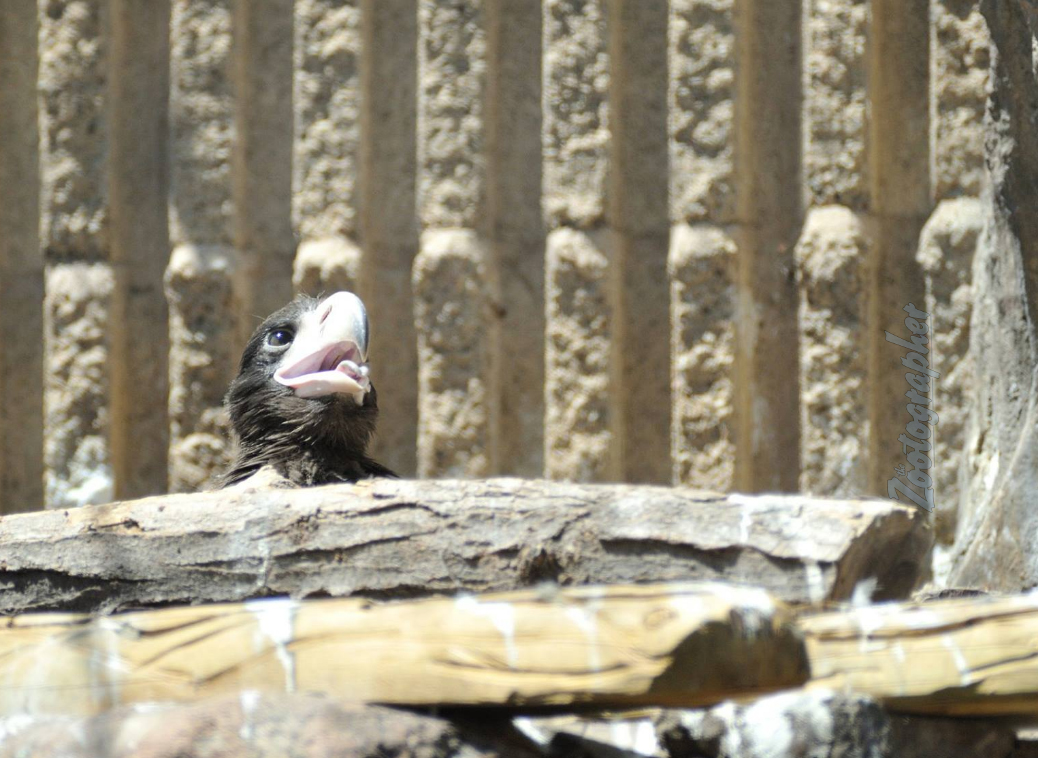
A quick trip behind bird world found our not-so-baby Sea Eagle perched further away from the wall than normal. Light was bad, and I didn’t want to waste too many frames, but I gave it a one-er just to snapshot it. I also really liked the texture of the clouds back there and then wanted to bring some of that Ektar blue magic to Salem the Cassowary.
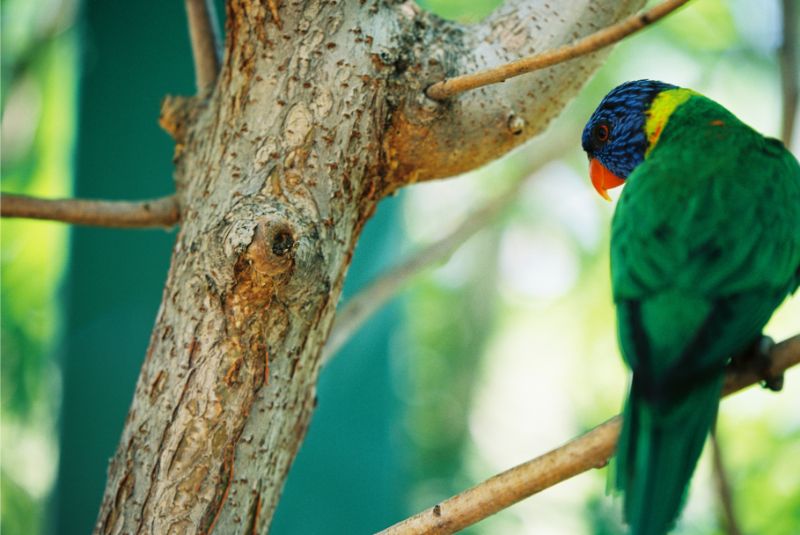
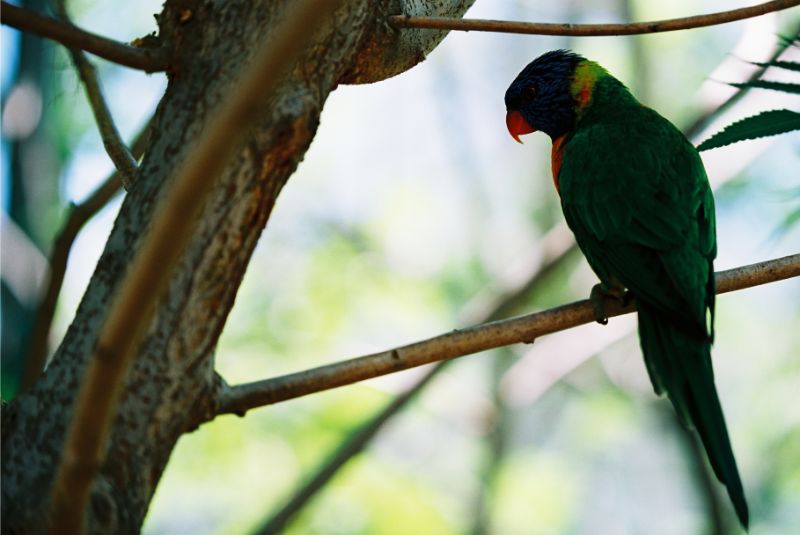
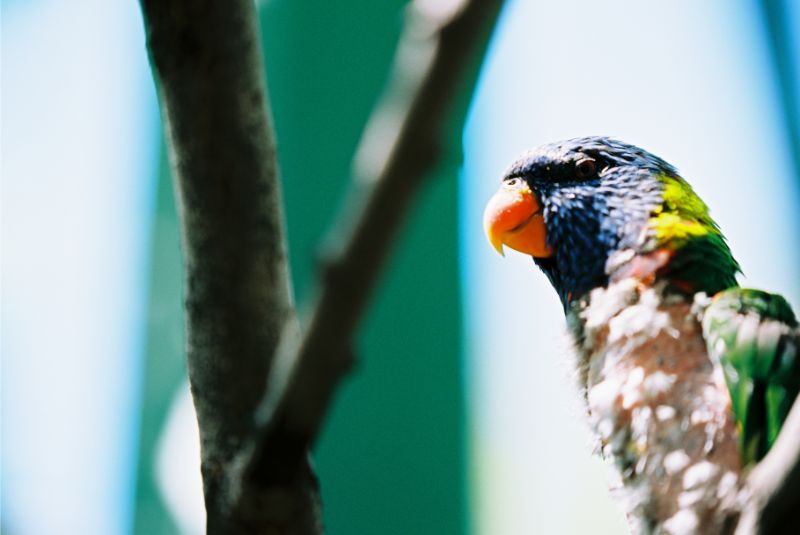
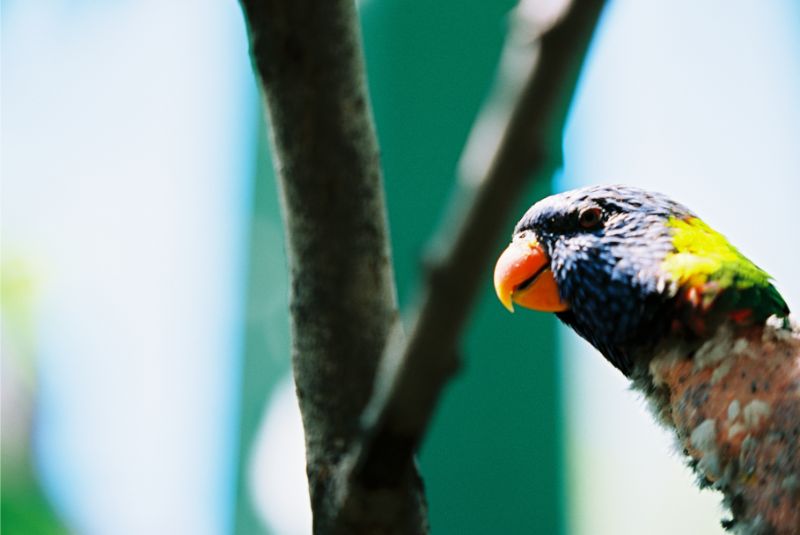
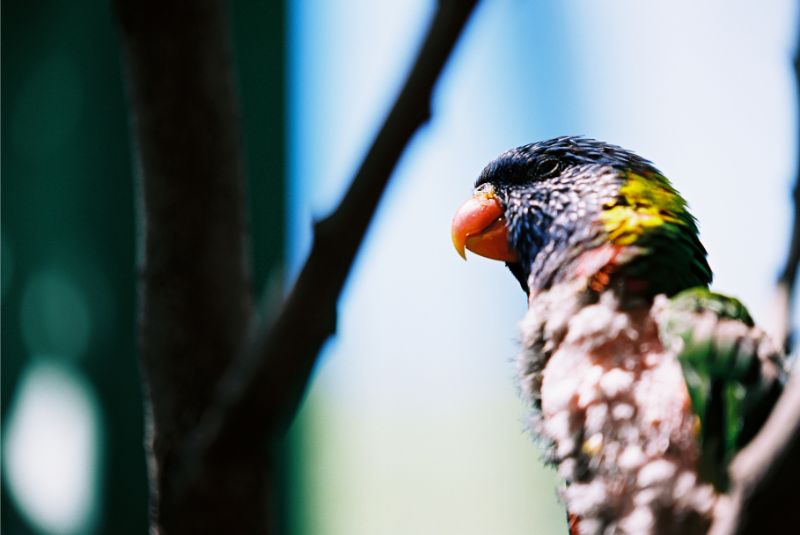
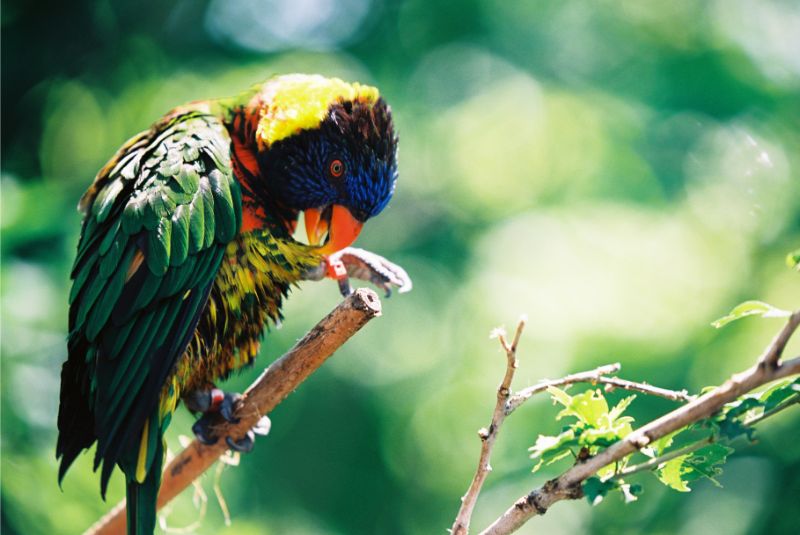
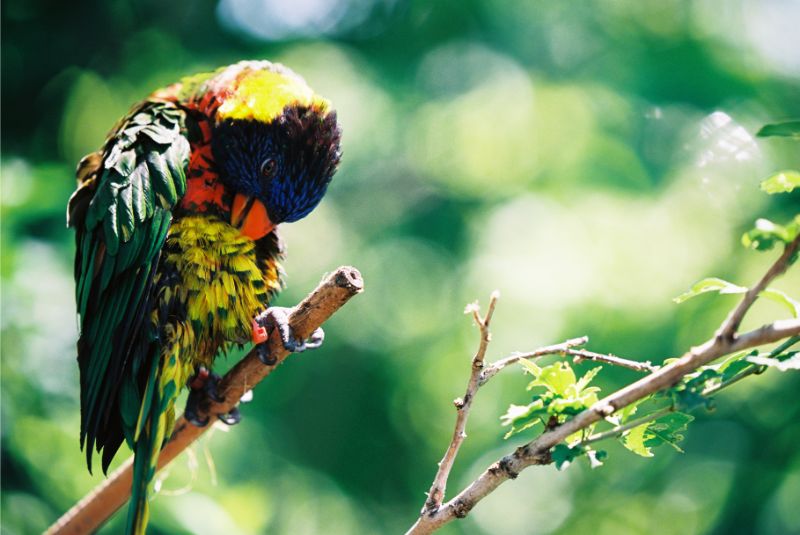
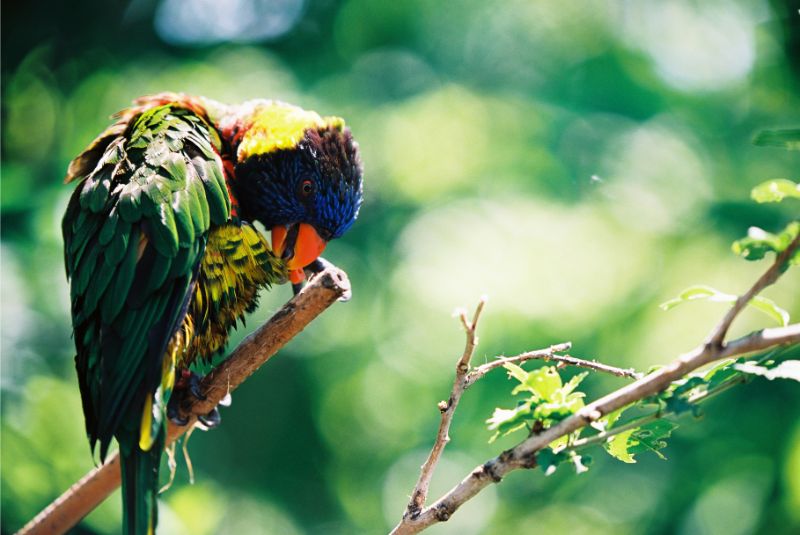
The Lorikeets are normally a pretty great spot for photomaking, but the light was again pretty harsh. The third to last frame is my favorite, and it makes me glad I kept working through the bad light to find it. Something neat about birds is their tetrachromatic vision; they can see colors we can’t even imagine; they *are* colors we can’t even imagine. The contrastiness and specular highlighting combined with the high saturation of this film kind of helps sell the idea that to each other, these birds look nothing like what we see; they’re even more brilliant!
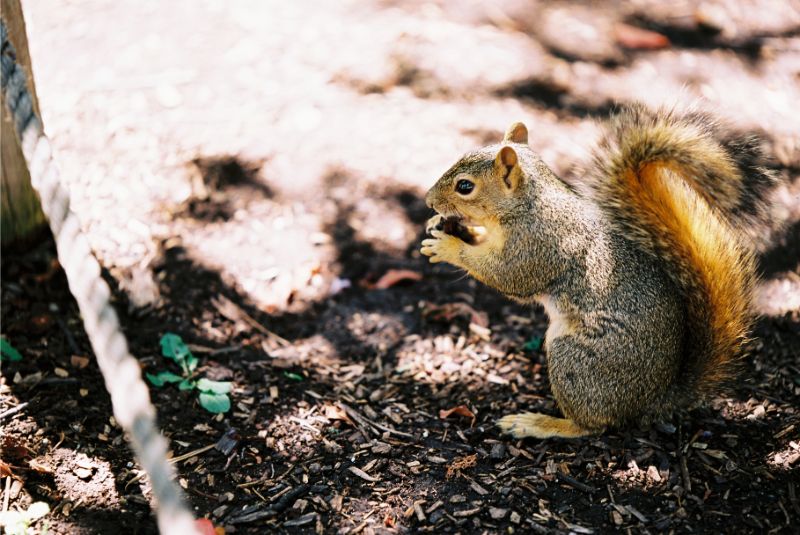
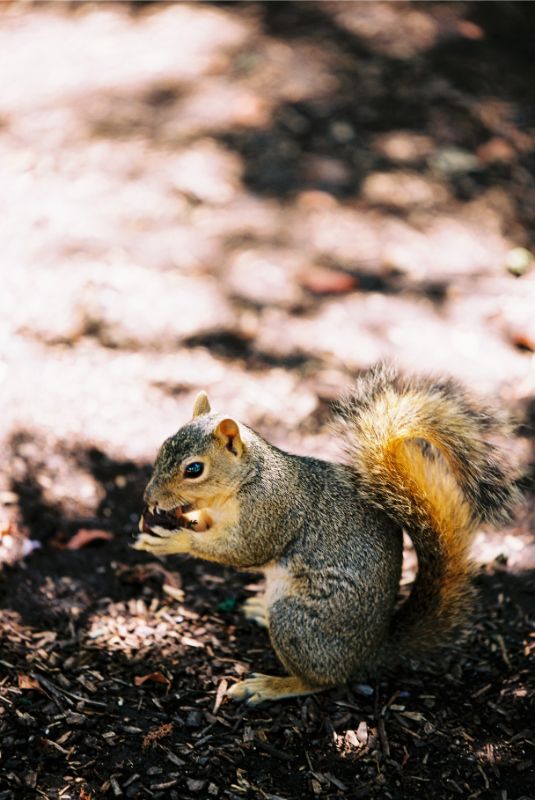
Nailed it. Twice. This guy didn’t want to sit still too long, but I got him comfortable enough with me to sneak a couple shots. Swapped to vertical on the second to crop out the fence because he clearly didn’t want me to move.
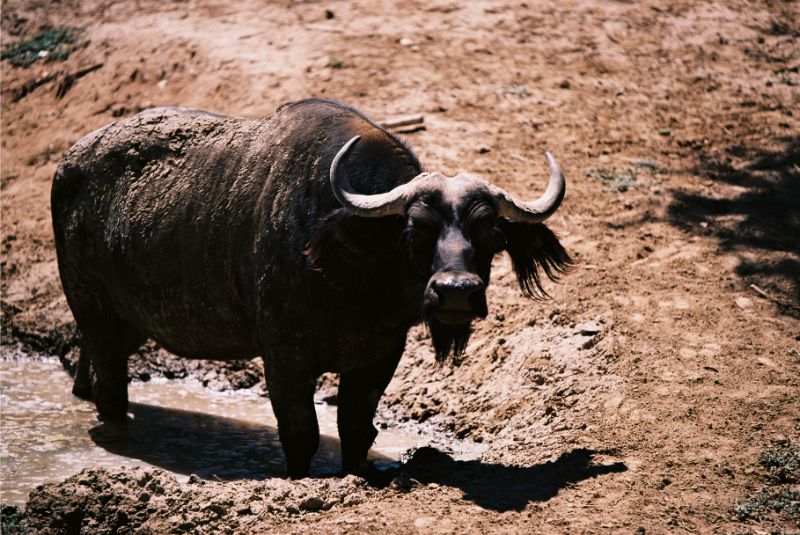
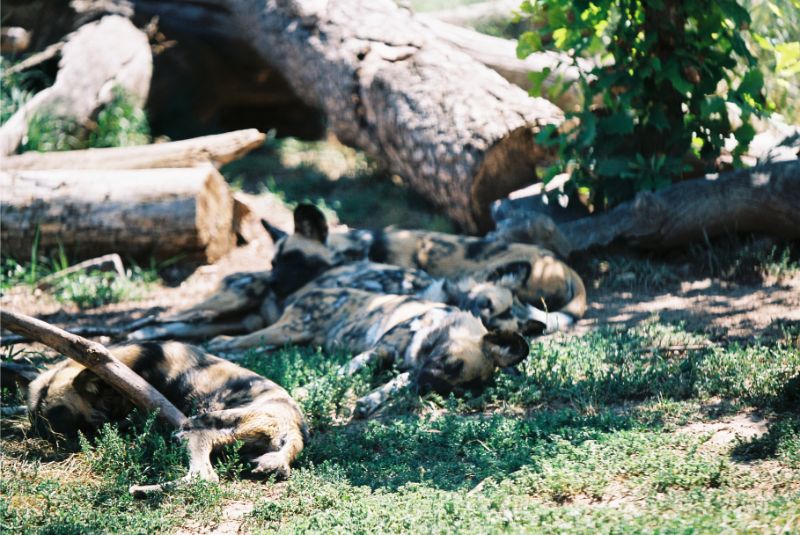
The cape buffalo was intended to be a throwaway shot, but once I saw the scan I wished I had spent a little more time on them. Even with the light in the wrong direction, I think something could have been done there. The wild dogs napping was just to test how their fur was rendered on the film.
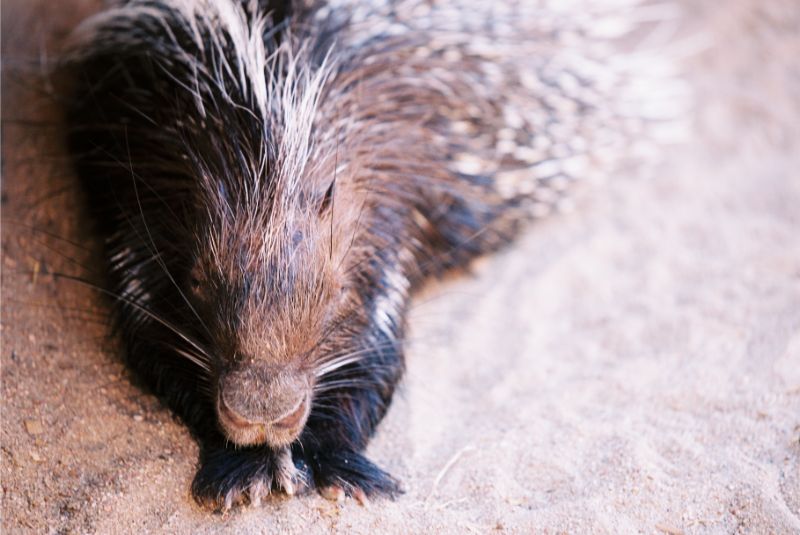
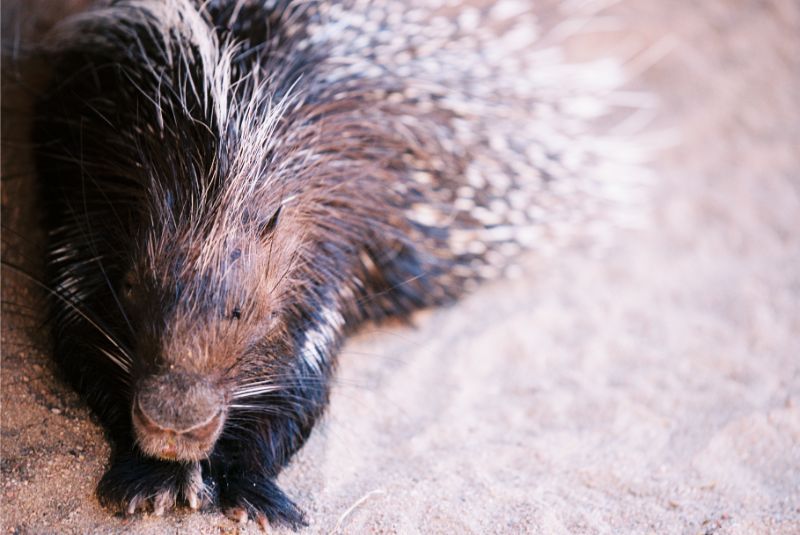
Two last portraits of our cape porcupine. I couldn’t get as low as I would have preferred (without risking getting kicked out of my favorite zoo), but once again the Ektar worked its blue magic. Those tones in the fur and spines are really subtle in real life, but the enhancements brought to it by the film made me really happy.
 The Zootographer