It’s great having a good camera store in the neighborhood. Besides being there to develop all my film (e-6 developers, so hard to find!), Mike’s Camera puts on some really killer events.
At their demo days, they partner with various companies to bring out tables full of gear: lenses, cameras, tripods, teleconverters, tens of thousands of dollars of good stuff. And all that stuff? Free to rent. Walk up, hand ’em your driver’s license, play with something fun for an hour. Come back, trade off for something else, play some more!
A lot of people use these events to play with big telephotos. Hell, that’s how I found the incredible Tamron 150-600. But at this point, I own my big’uns. I actually had the 400/2.8 with me because I hadn’t had a chance to play with it at Cheyenne yet. So what was my rental toy of choice? The new (and very highly lauded) Tamron 35/1.4. It’s been reviewed by pretty much everyone as the best 35/1.4 ever made. And although tested in a very unscientific manner, I dare say it deserves the hype.
I don’t know if I’d use it enough to actually add one to my collection, but it really is an incredible lens. I hope Mike’s adds it to their rental catalog, because while I don’t have a frequent need for a wide-side-of-normal prime, I would definitely rent it when the need arises.
I’ve been to a good number of zoos. More than most, I’d venture to say, but not nearly as many as some. There are habitats at every zoo that are special. The animals that call them home have their own personalities, and those personalities include a general preference for seclusion.
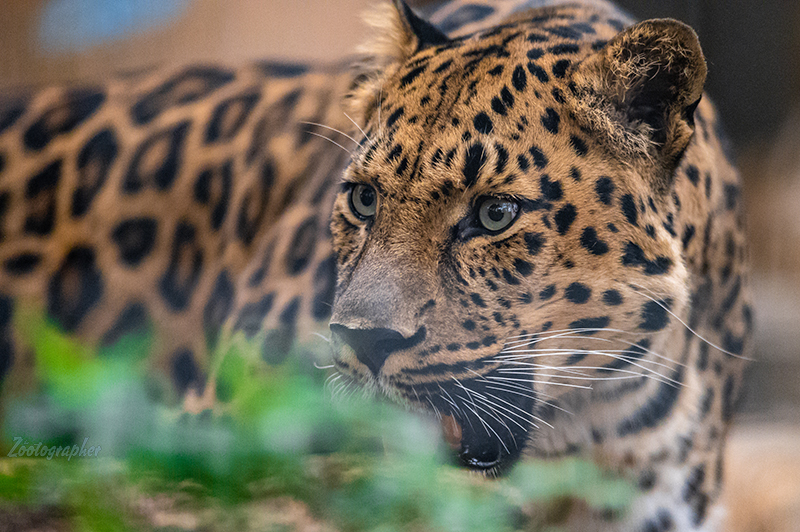
This is one of those animals. You’re not generally going to see this Amur Leopard on your average trip to the Denver Zoo. I’ll catch this beauty outside maybe one in ten visits. Up close and not taking a nap? That’s special.
The Denver Zoo isn’t the only place an Amur Leopard sighting is rare. There are only 176 of them in zoos worldwide, so even having the opportunity to see one there is pretty rare. Worse still, as of 2015, there were less than 100 in the wild. They really are one of the rarest animals in existence.
That being said, they’re slowly becoming one of conservation’s success stories. Those wild numbers? They were down to less than 50 for a while. There’s a lot that a lot of people could say about Russian president Vladimir Putin, but the work his government has put into saving these incredible cats cannot be undersold.
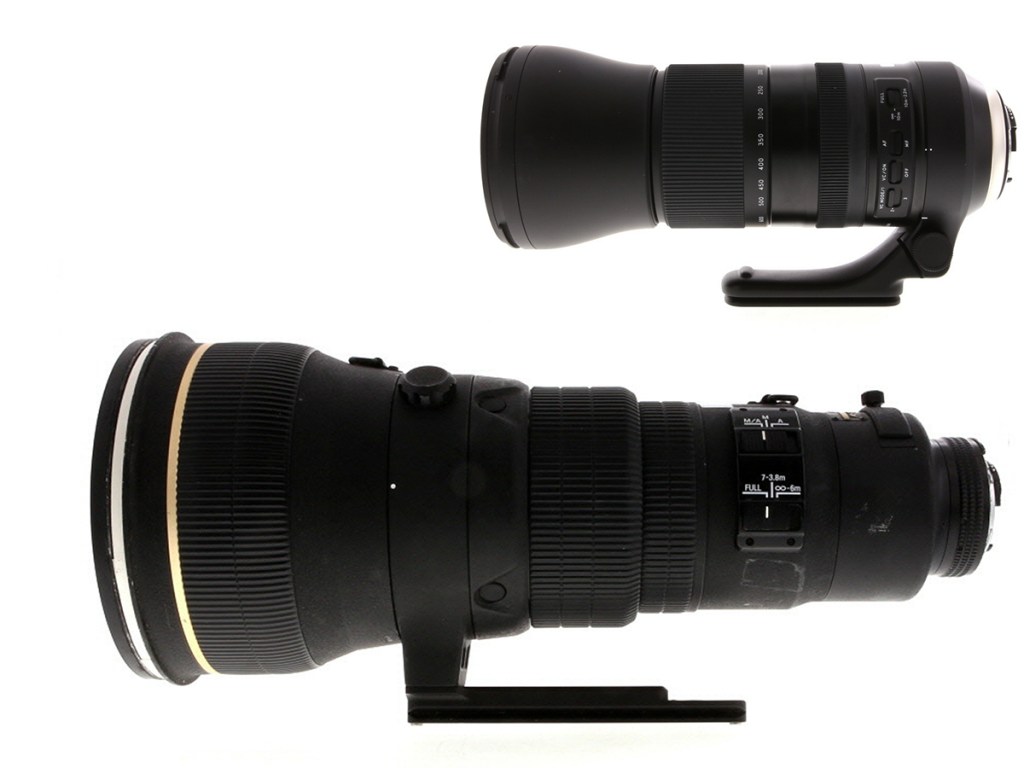
Atop, the Tamron 150-600/5.0–6.3 SP VC g2. Below, the Nikon 400/2.8 AF-S ED IF
I’ve written before about the fact that the best big lens is the one you’ve got. Well, I just got a new one, and I wanted to talk about the comparisons now that there’s actually some ownership involved.
I found a steal of a deal on a 400/2.8 on KEH. It’s the oldest version that will still work on the z6, the AF-S ED IF, the first one of those to be specific. It’s a big-ass chunk of metal and glass that clocks in at just over 10lb. No VR, which is less necessary with the z6’s sensor stabilization. Autofocus is speedy, though not *quite* as snappy as the newest E-lenses. The outside is pretty beat up; you can tell this thing’s been used, probably on a sports field somewhere. The glass though? It’s pristine. And really, that’s what counts.
So, given that it arrived about three days before my trip to the two Top-10 zoos in Texas, why did I leave it behind and bring my Tamron 150-600 super zoom instead?
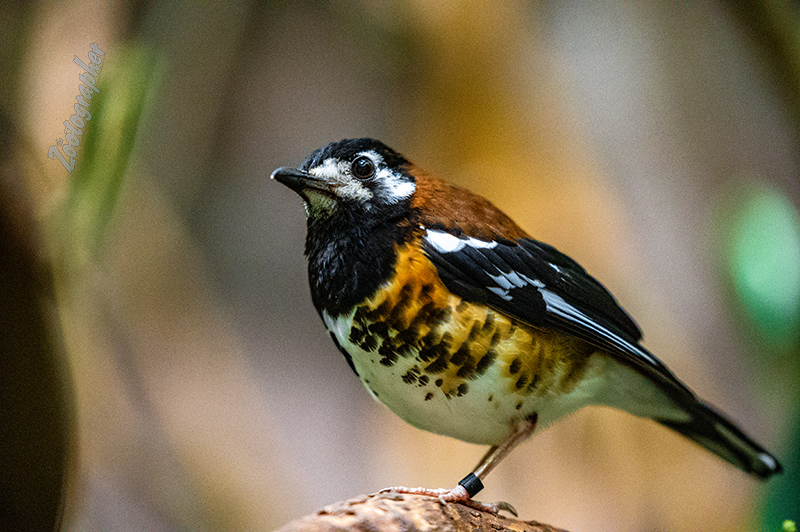
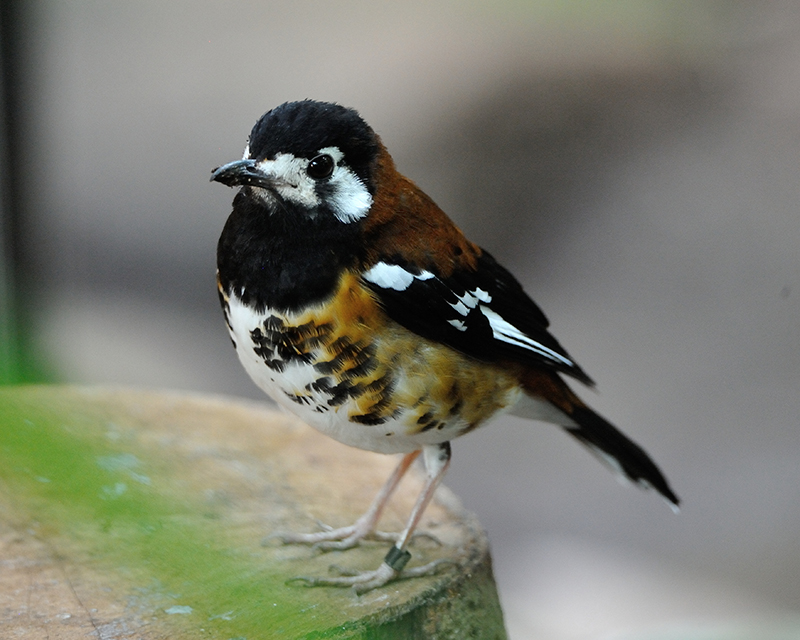
Denver Zoo Chestnut Backed Thrush, shot with the 400/2.8 on a z6. f/2.8, 1/800, ISO 8000
It wasn’t the quality. The 150-600 is amazing. It takes beautiful pictures. It’s the tiniest bit soft wide open at 600, and the variable aperture can be a pain, but it’s a super pretty lens that makes perfectly beautiful pictures. But the 400 is prettier. That 2.8 melts backgrounds beautifully, and it *is* sharper (despite being 20 years older) – though I’ll admit it requires serious pixel peeping to notice.
When I last talked about comparing big lenses, I talked about the Nikon 180-400 and compared it to the Tamron. The Tamron is 90% of that lens for 10% of the price. Compared to the 400/2.8? It’s apples and oranges. Different tools for different jobs.
The same thrush’s partner, shot with the Tamron 150-600 on a d700. f/6.3, 1/100, ISO 5000. These are both BEAUTIFUL lenses.
Having taken the 400 out to Denver a couple days before the trip, I knew it wasn’t the right tool for Texas. Yeah the pictures were better. But my arm was dead after an hour. That weight difference was massive. Not what I wanted on my shoulder and in my hands for full day trips to new locales. Furthermore with those new locales, I didn’t know the habitats. I didn’t know if I’d want to shoot wider or longer. 150 is a long way away from 400. 600 is as well. Lastly, the close focus distance on the Tamron is a lot better than the Nikon; with that MOD and the 600mm, it can make a pretty passable macro lens.
You’ll start seeing more shots from the 400 both on this site and over on the instagram. It really is an incredible lens. Not just incredible for being 20 years old, but straight up properly incredible. There’s a reason they still demand the prices they do this long after they’ve been replaced through three other iterations. But does it replace the Tamron 150-600? No. They’re different tools for different jobs. Yeah, they’re both long telephotos, but one’s a phillips head screwdriver and the other’s a flathead. I want both in my toolbox, and I’m happy to finally have both to work with.
So what *would* replace the Tamron? Well, the Nikon 180-400/f4 TC. That’s about it. But it’s going to be a long time before you start seeing deals on those on KEH – or anywhere else for that matter.
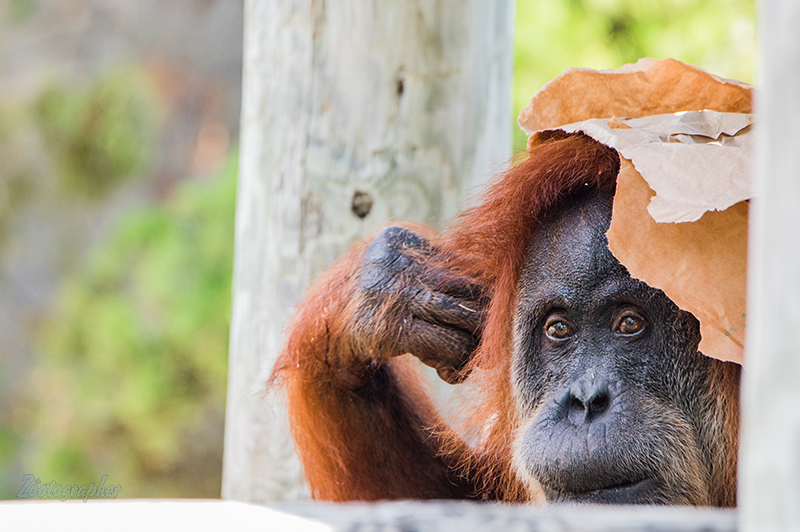
Sumatran Orangutan at the Fort Worth Zoo. 9/1/19. Nikon Z6, Tamron 150-600 g2
I can relate heavily to this cutie right now. Having just returned from a five day vacation from work, time spent visiting the Dallas and Fort Worth zoos, I really do just want to pull something over my head and go back to sleep.
Despite my recent acquisition of a 400/2.8, I still took the Tamron superzoom on this trip. I’ll write about it more later, but as much as the 400 is a better lens that makes better pictures, the Tamron is just so much more flexible. Yeah, I’m losing two to three stops of light. But I’m gaining the ability to shoot wider when I need to, as well as the ability to not want to die after hand holding it for an hour and a half. Also, that extra 200mm of reach does come in handy, despite the light loss. It’s how I got nice and close to this sleepyhead far off in the middle of a big panoramic exhibit.
For now though? I’ve got about seven hours before I have to be to work, and I’m going to start the dishwasher and then go back to sleep.
Note: If you want to hang any of the below images on your wall, you can purchase a print here. As with my other HawkQuest images, 20% of all proceeds from print sales will be donated to HawkQuest to support their mission of raptor rehabilitation and conservation.
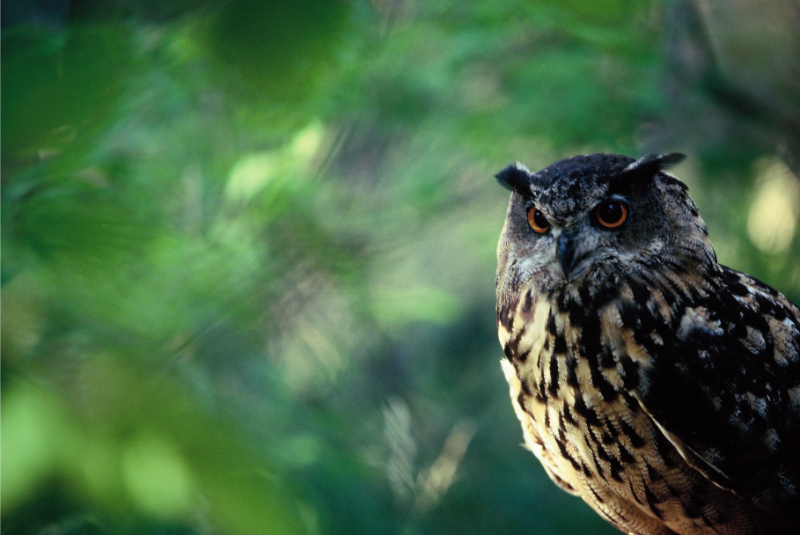
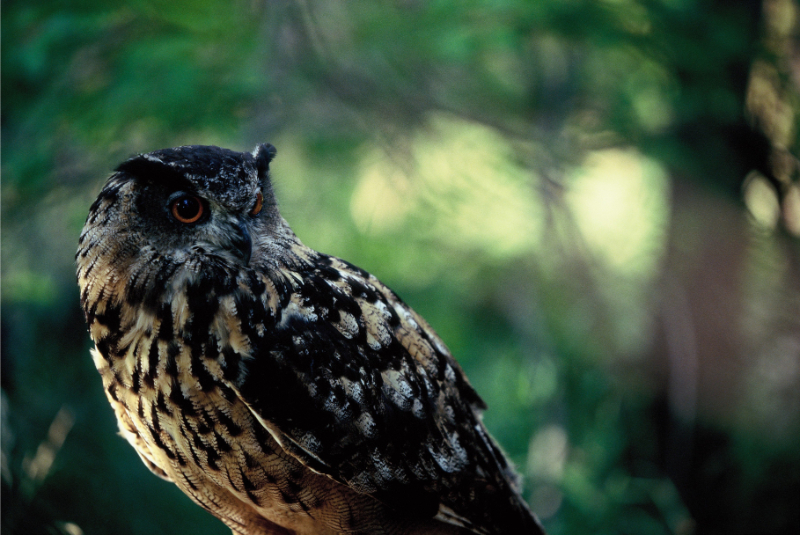
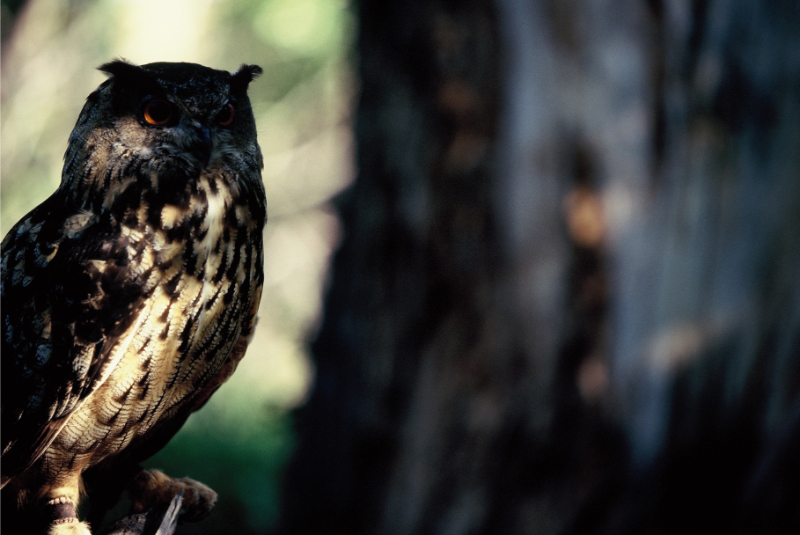
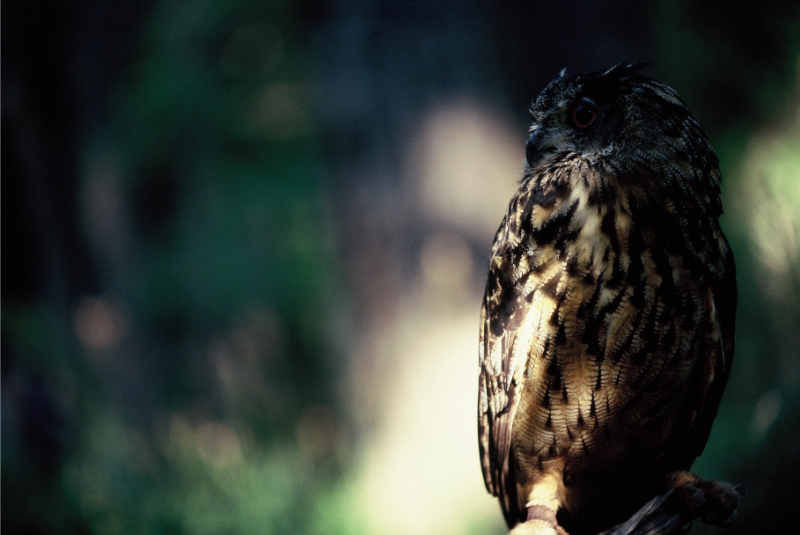
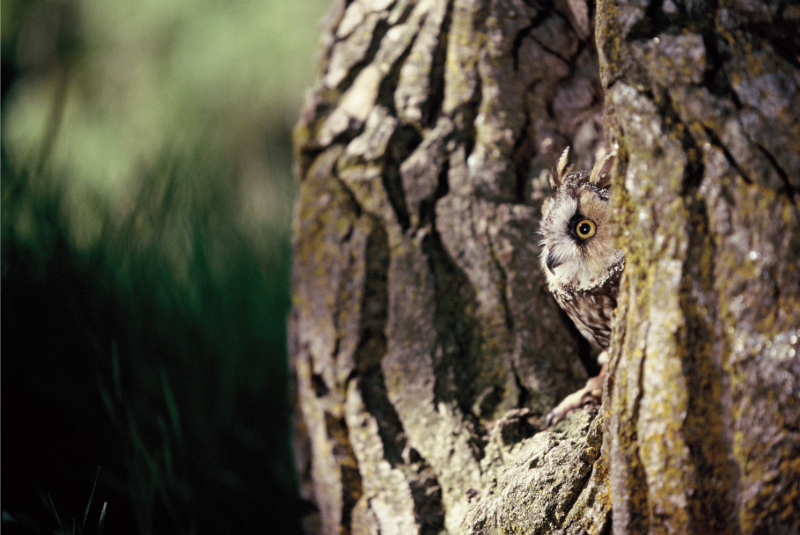
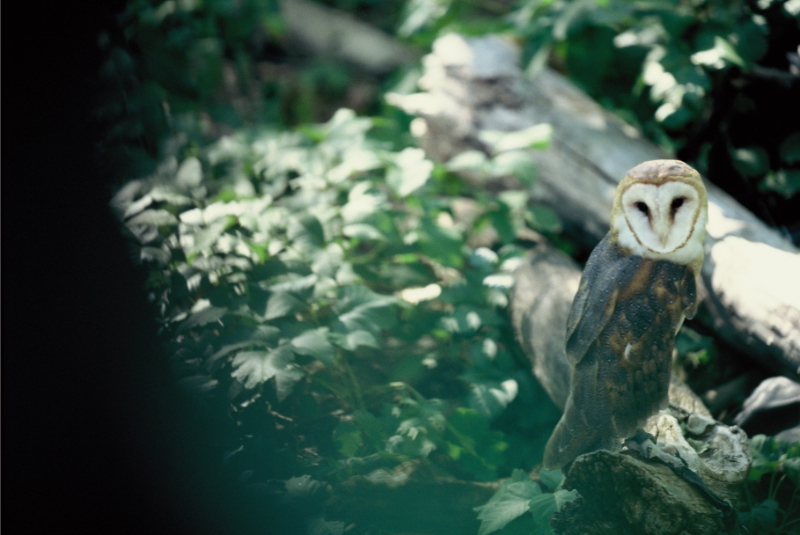
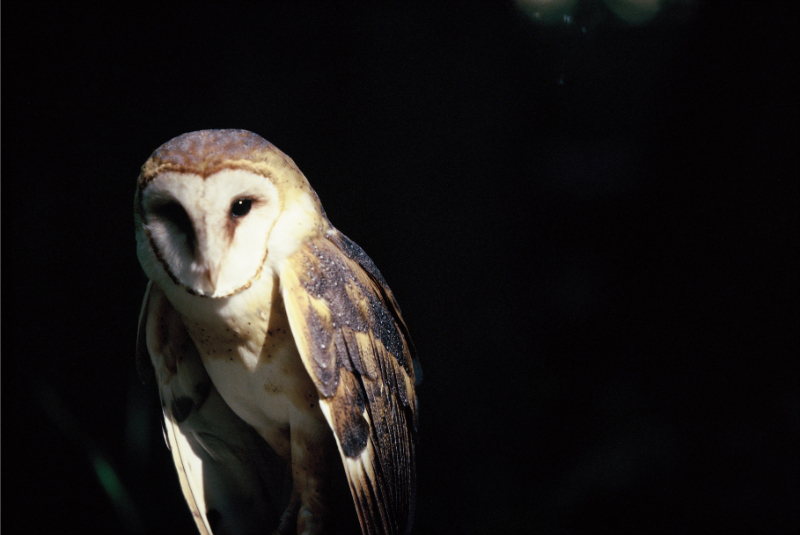
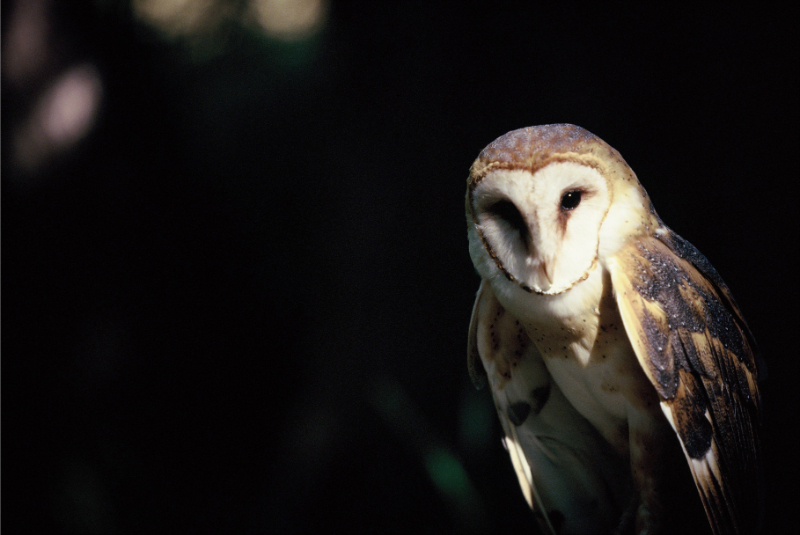
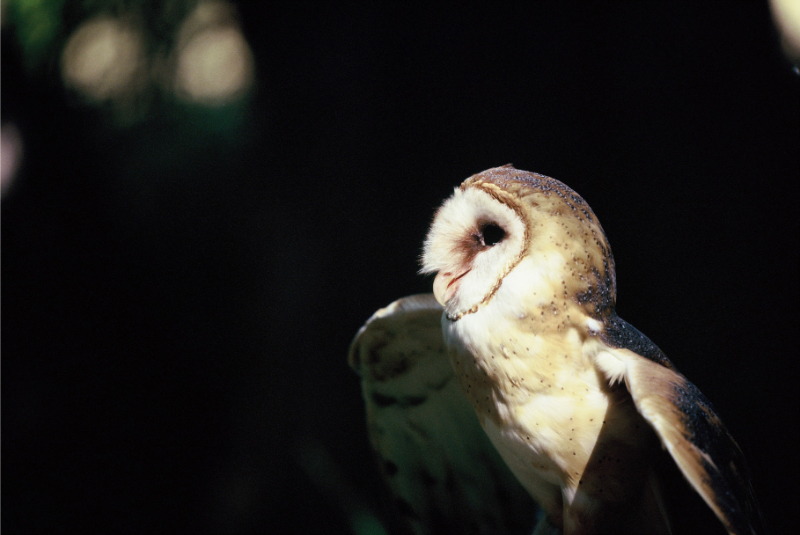
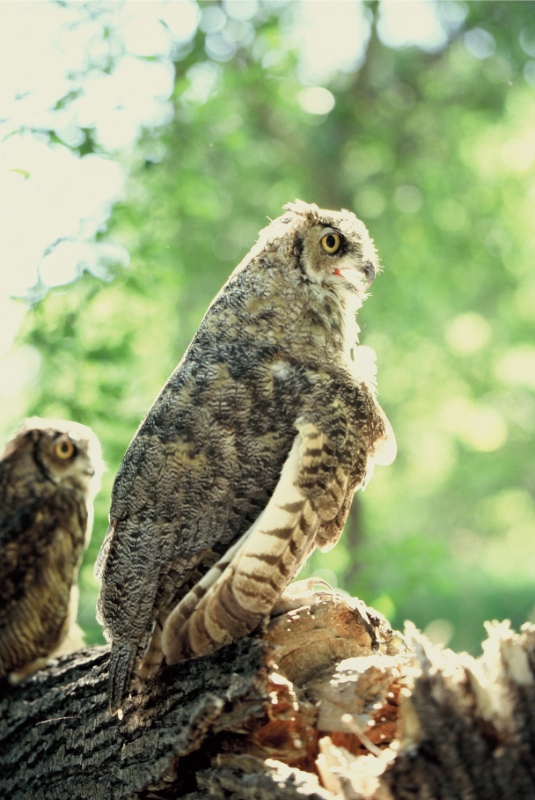
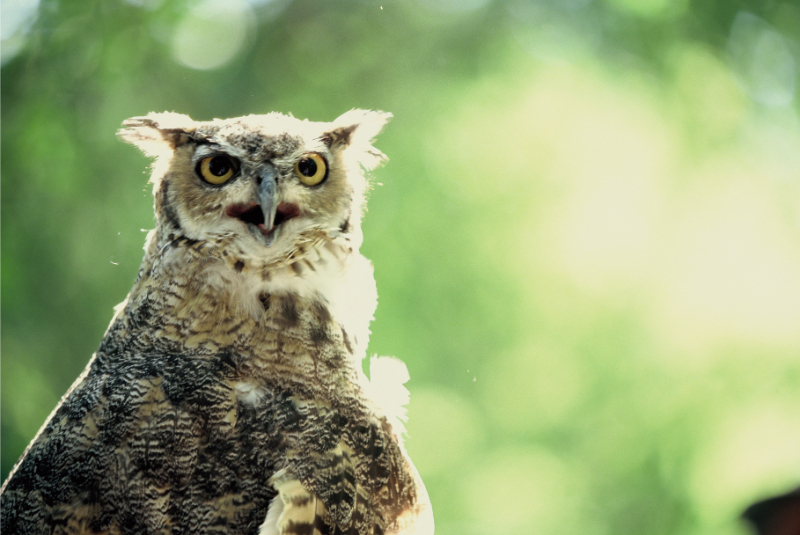
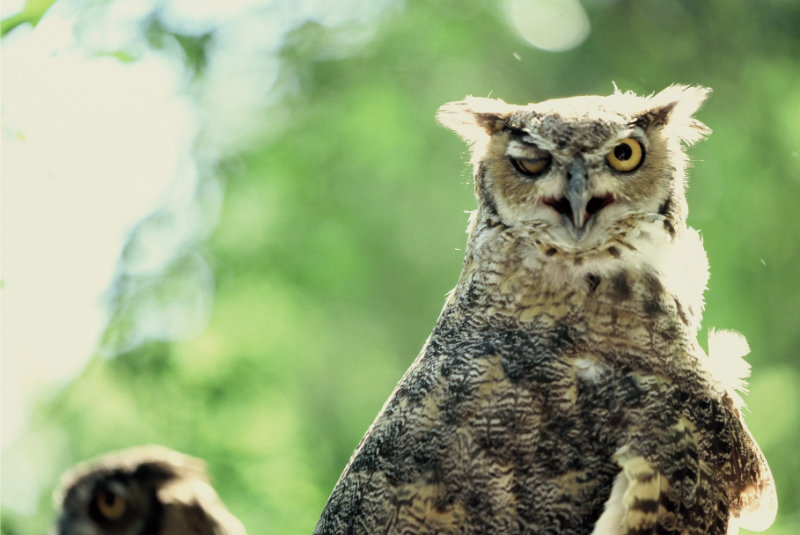
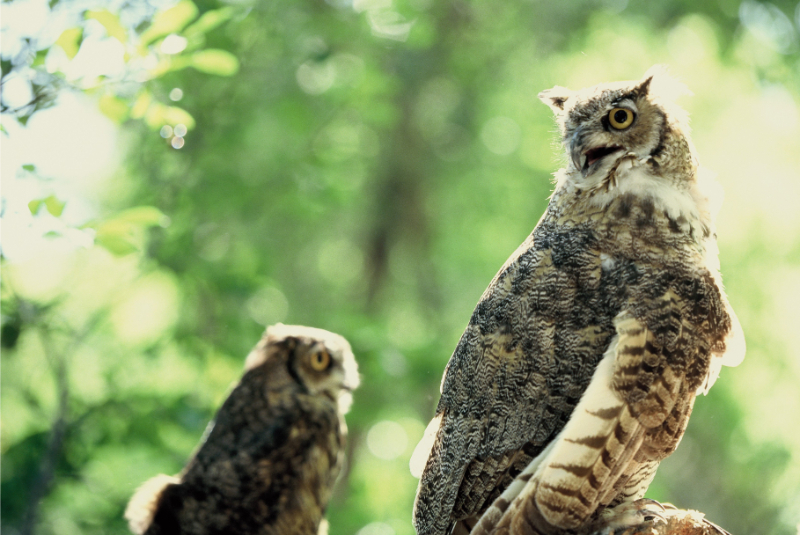
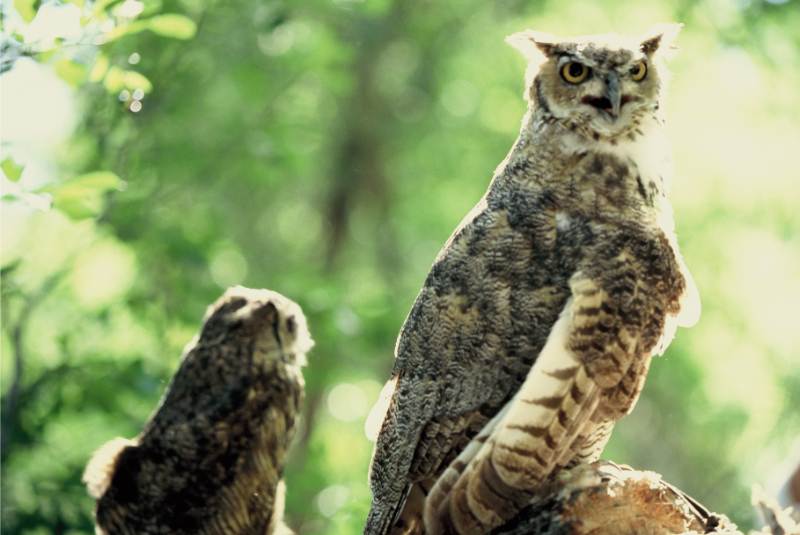
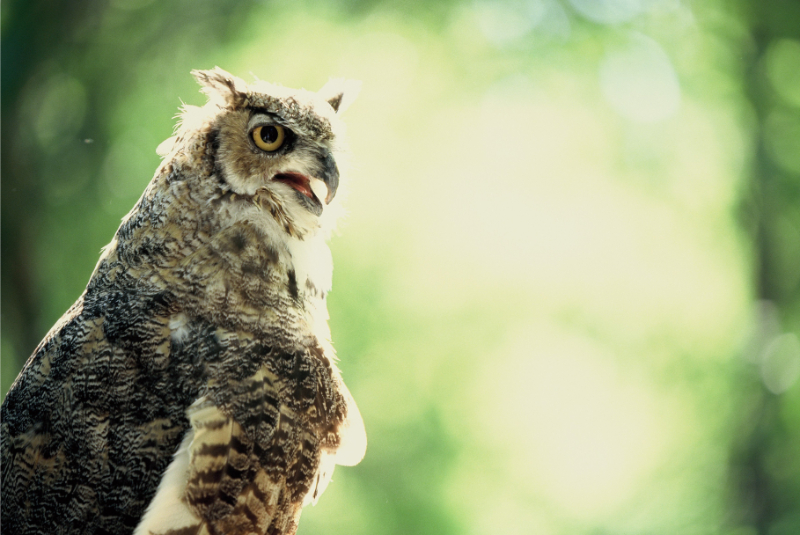
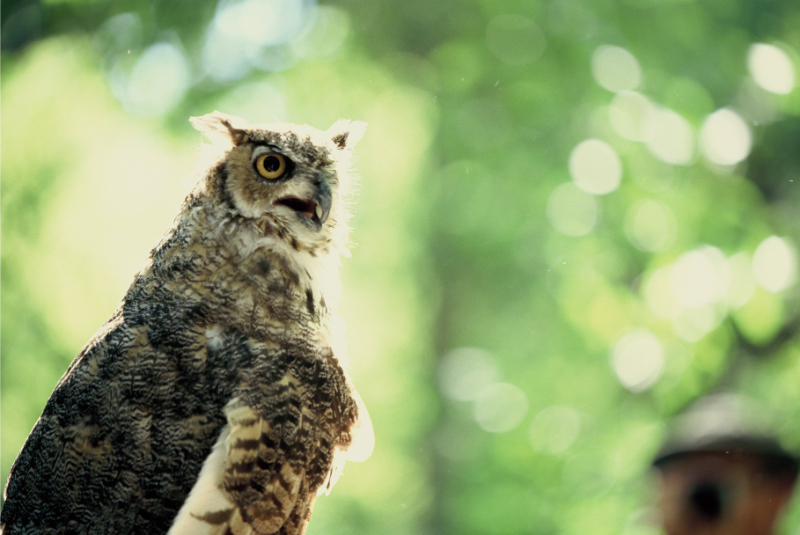
I wrote before about the event I participated in with Mike’s Camera and Hawkquest, a raptor sanctuary in Parker, CO. But in addition to having the z6 there, I also brought the F5 with a roll of Ektachrome 100 slide film (pushed one stop to 200). I finally got that roll back and my – oh – my are there some pretty results. Every shot was taken with the Tamron 70-200/2.8 g2.
As usual with these one-roll posts, you’re going to get the entire roll, not just the best shots. Even the best photographers in the world (I’m not one of them) have garbage shots on their memory cards; most have too many to share. But with a roll of film? That’s a small enough batch of pictures to really be able to share all the results, not just the good ones.
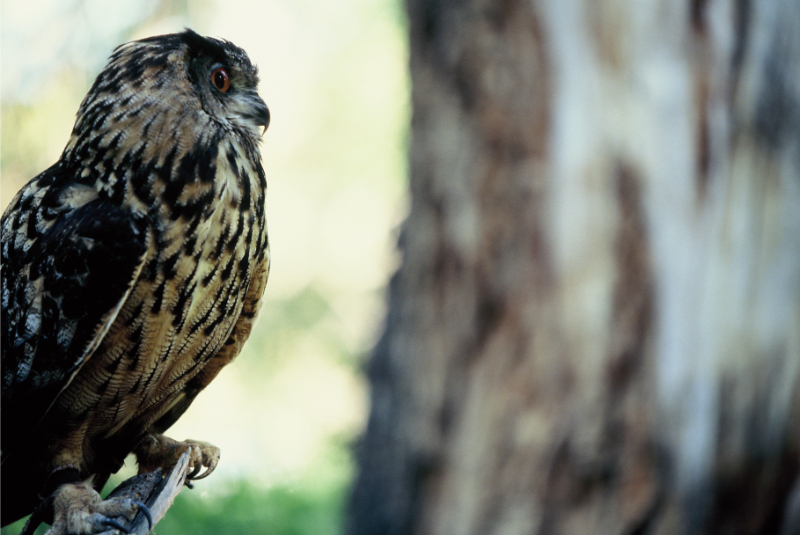
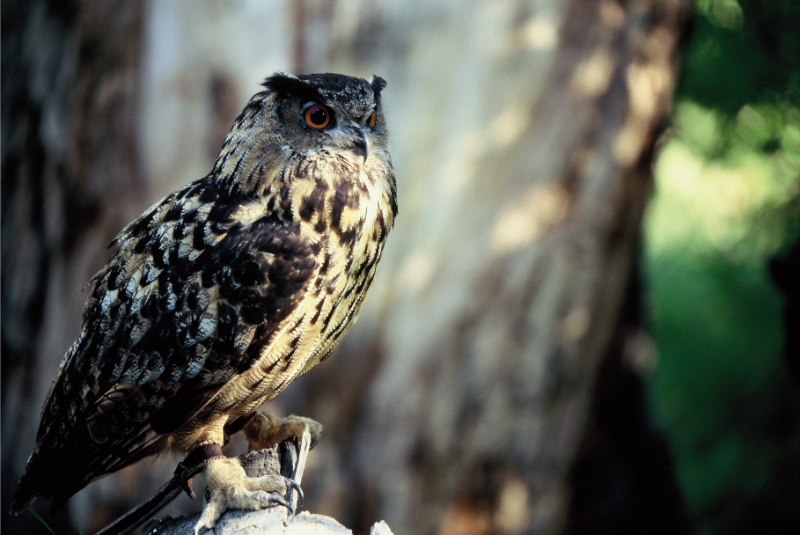
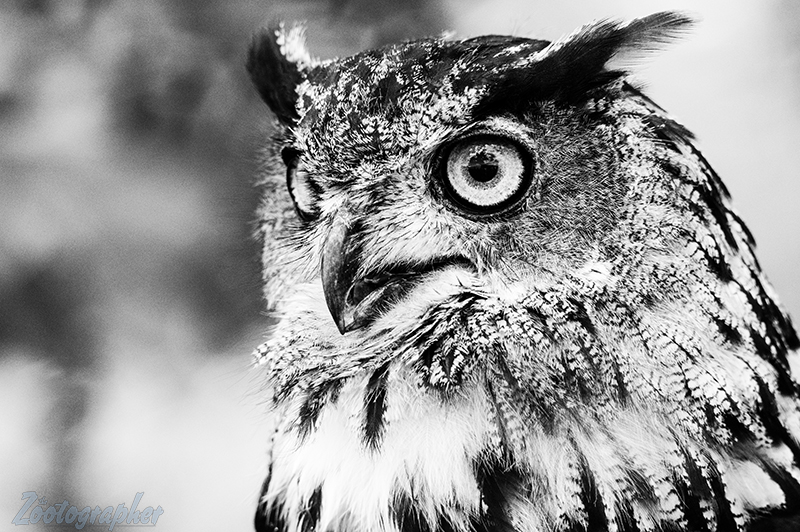
My group started the day off with the Eurasian Eagle Owl. He was in harsh, contrasty light. But honestly, I was also underexposing. It was right after him I remembered the last roll and the fact that I don’t trust the matrix metering on the F5 and made the switch to spot metering. Excuses, excuses.
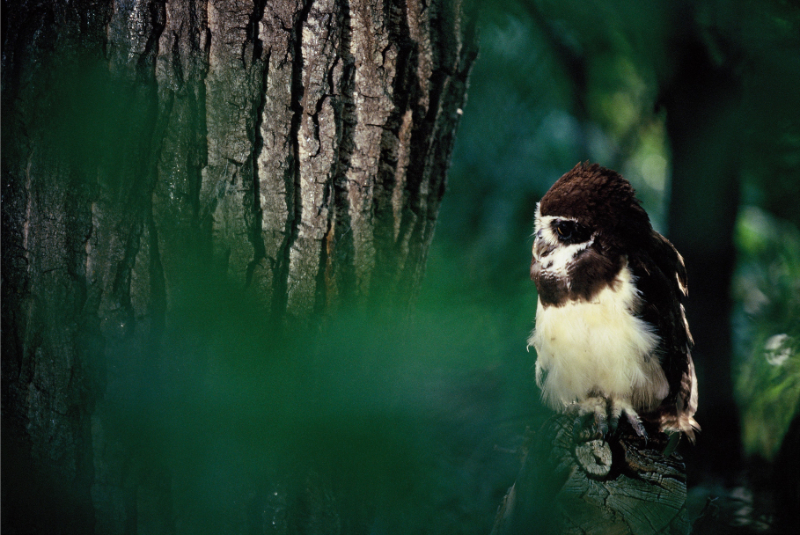
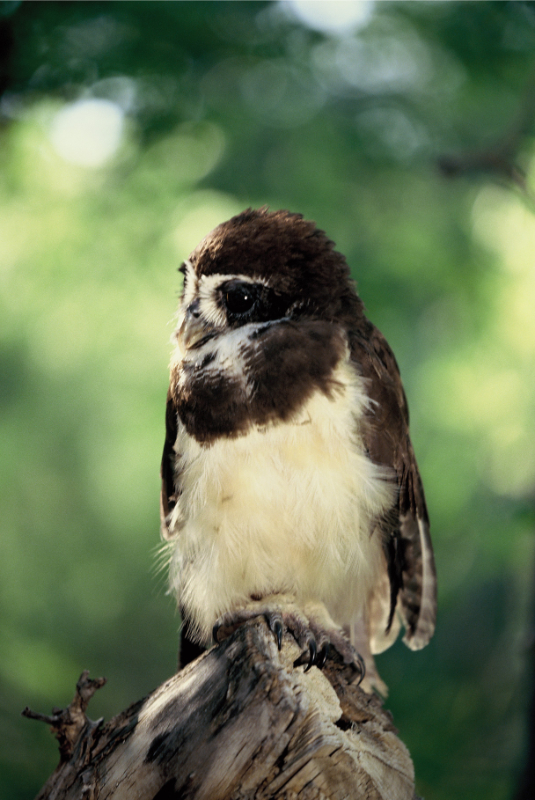
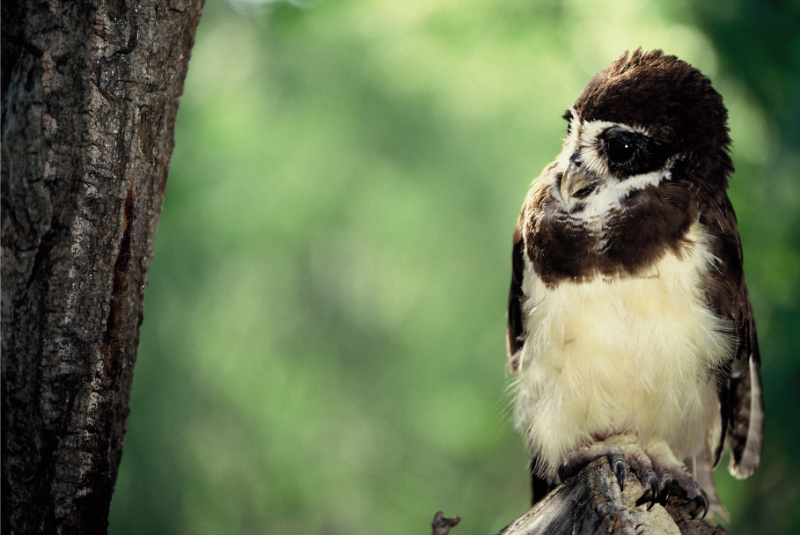
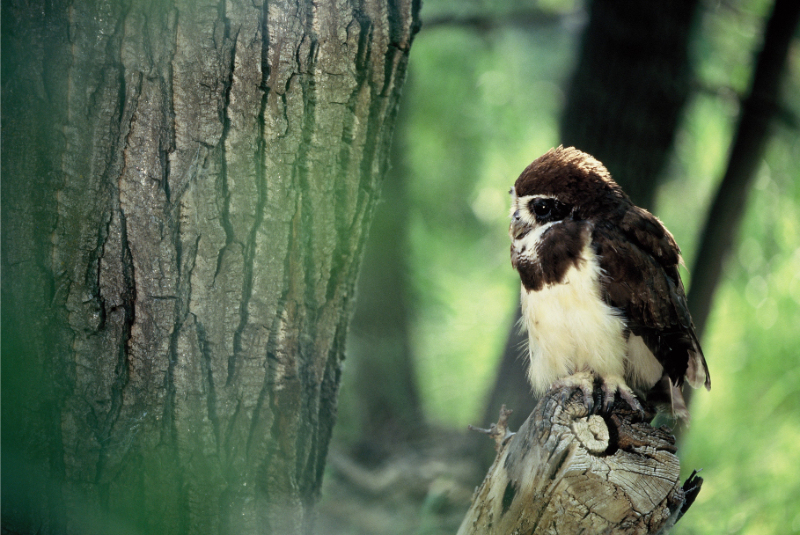
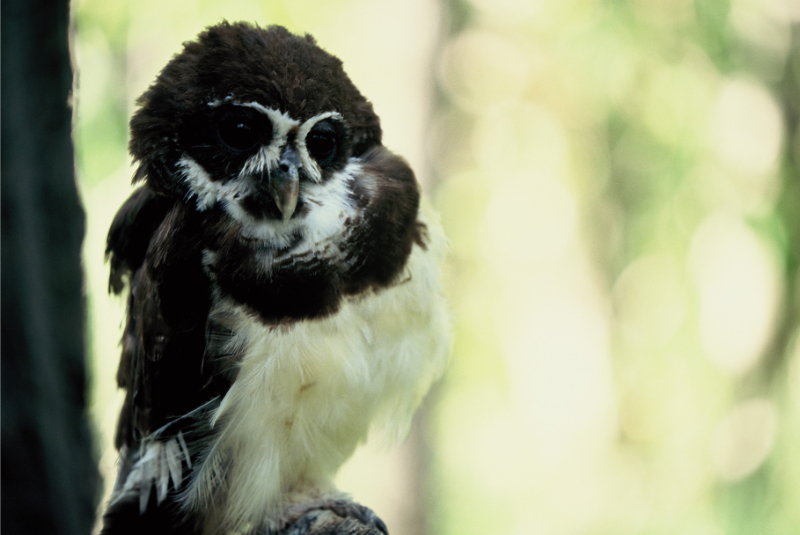
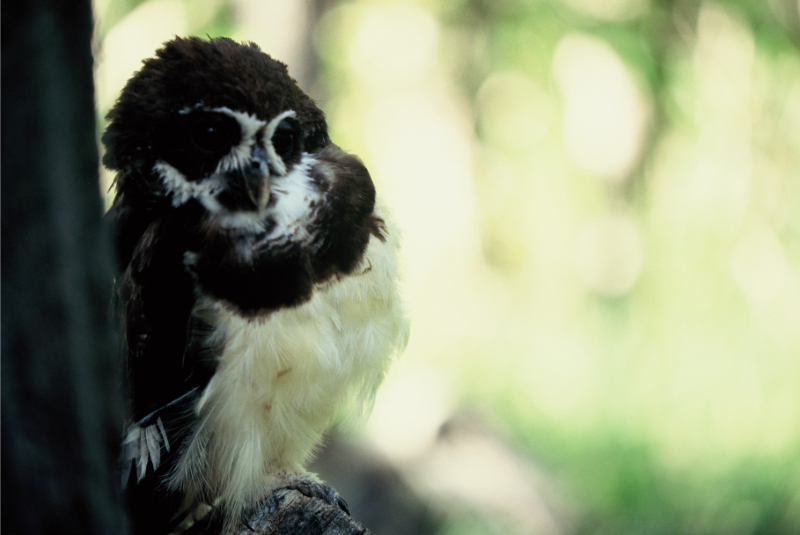
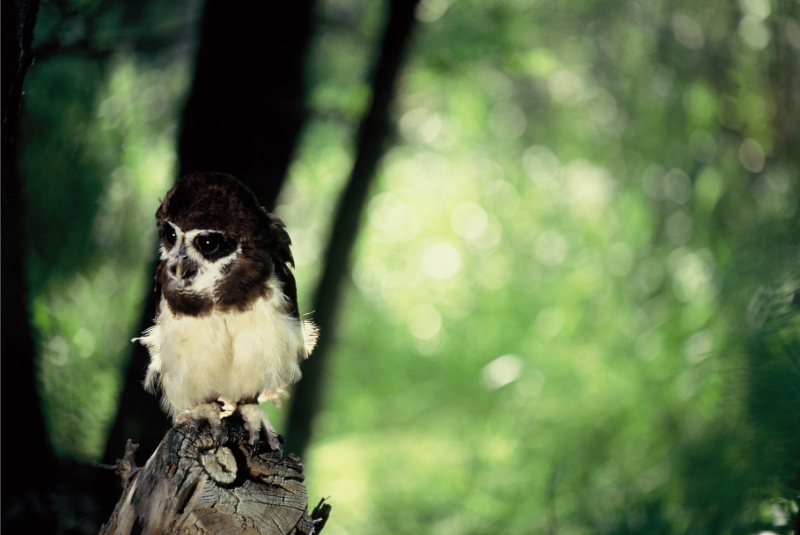
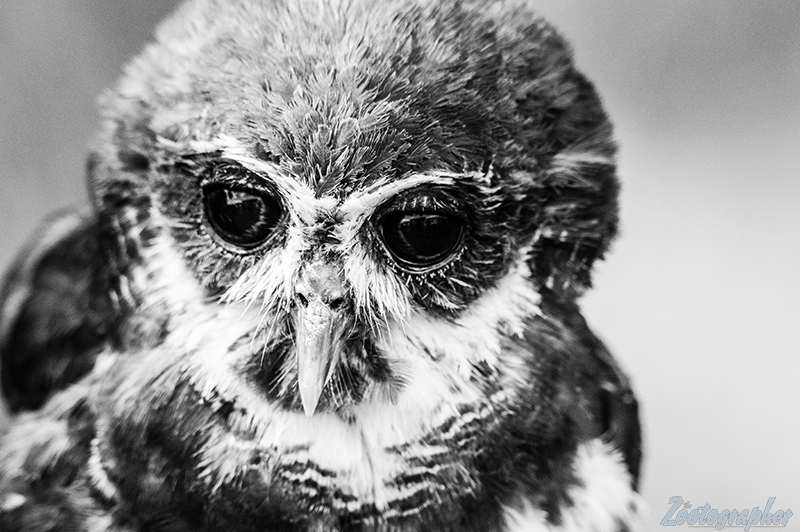
Next up was the Spectacled Owl. This particular spectacled owl had very large pupils, giving it an almost eerie looking pair of empty eyes that very easily got lost in the dark brown feathers about its head. I really love the last shot in this series; the way the Ektachrome rendered the background is just absolutely magical.
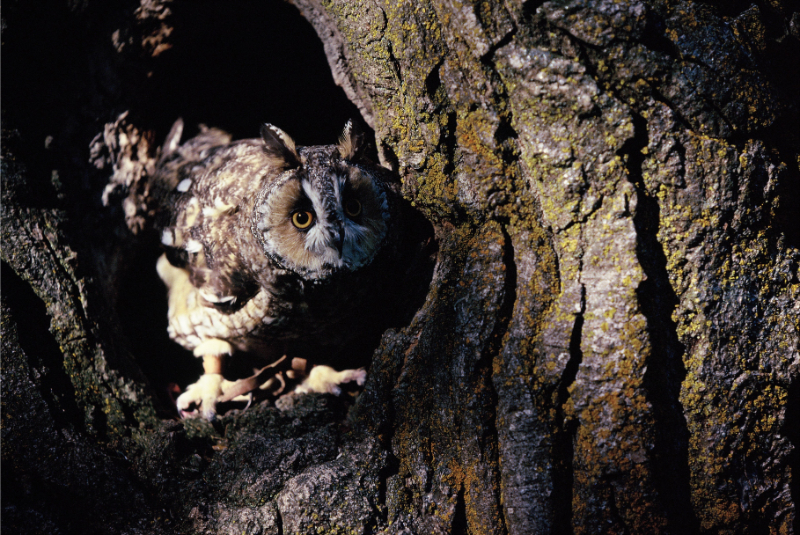
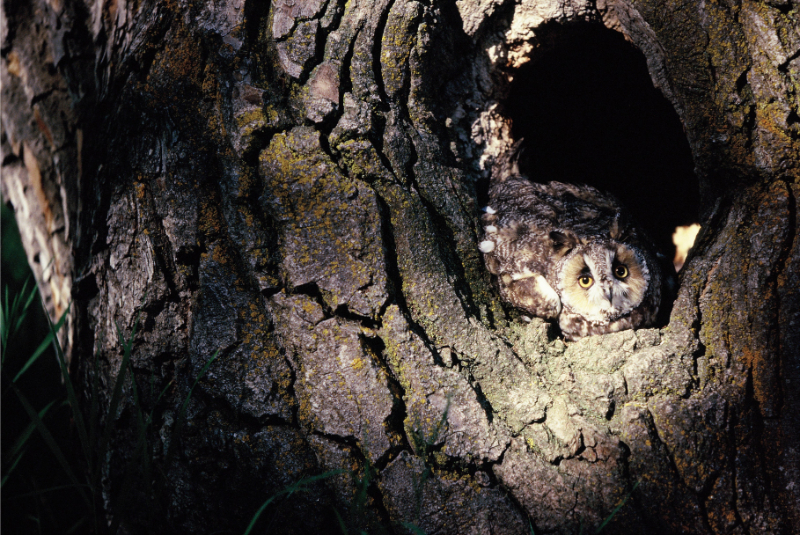
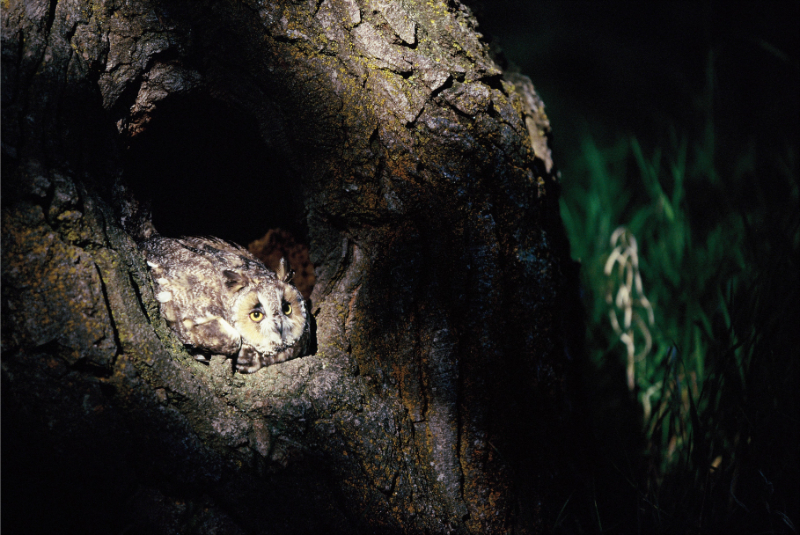
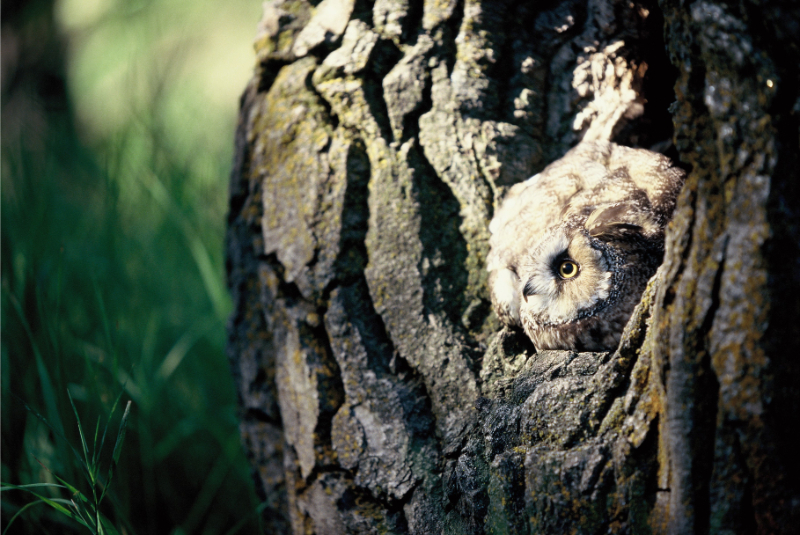
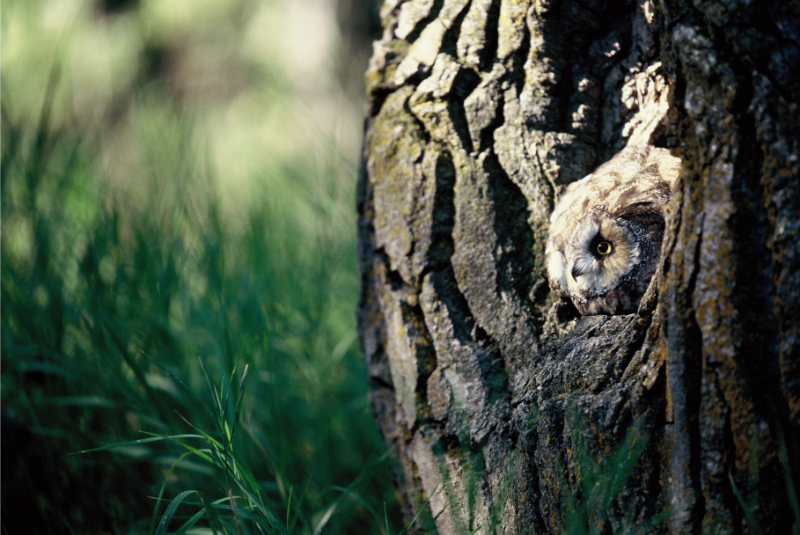
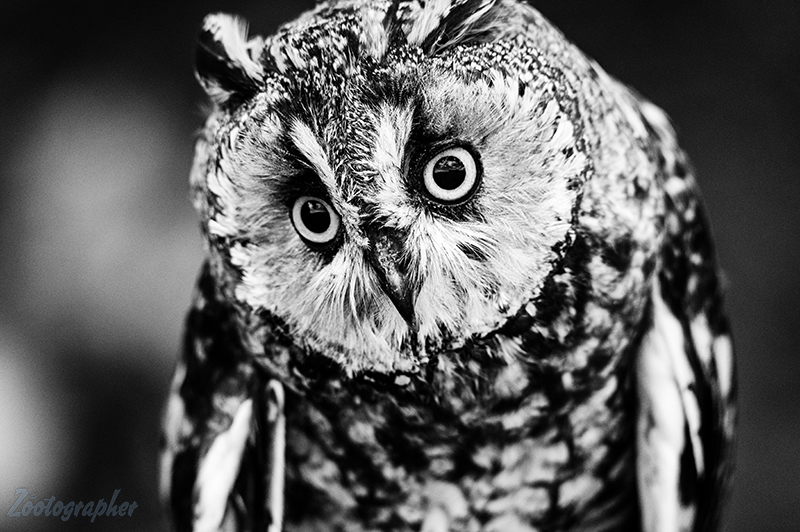
The long-eared owl was my favorite by far of the day. The volunteer from HawkQuest found a perfect spot in which to let it hang out. While I like the contrasty spotlight images near the top of this set, it’s the last one that is my favorite of the day, and is likely one I’ll be getting printed and hang in the living room. I have a bunch of others from that angle from the z6, but this green tinted ektachrome version is far more magical to me than the digital versions.
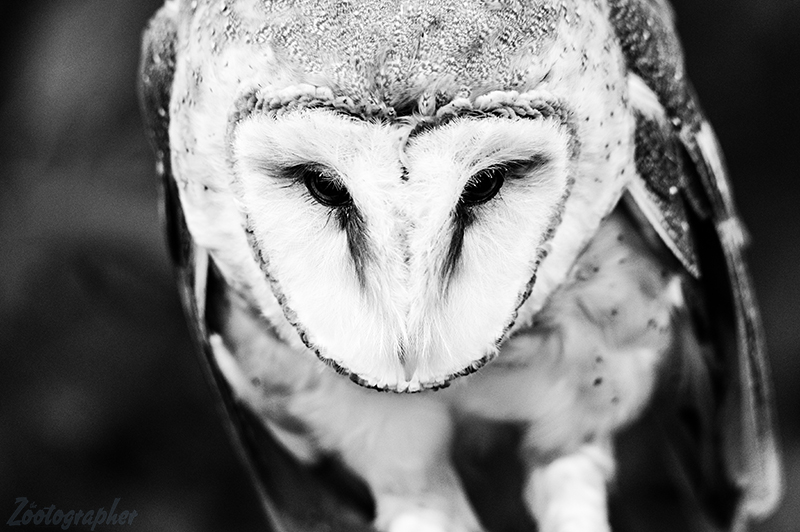
These barn owl photos would all be perfectly acceptable if I had nailed focus; I didn’t. The contrasty nature of the pushed film made for some very dramatic lighting, but I botched it with the focus.
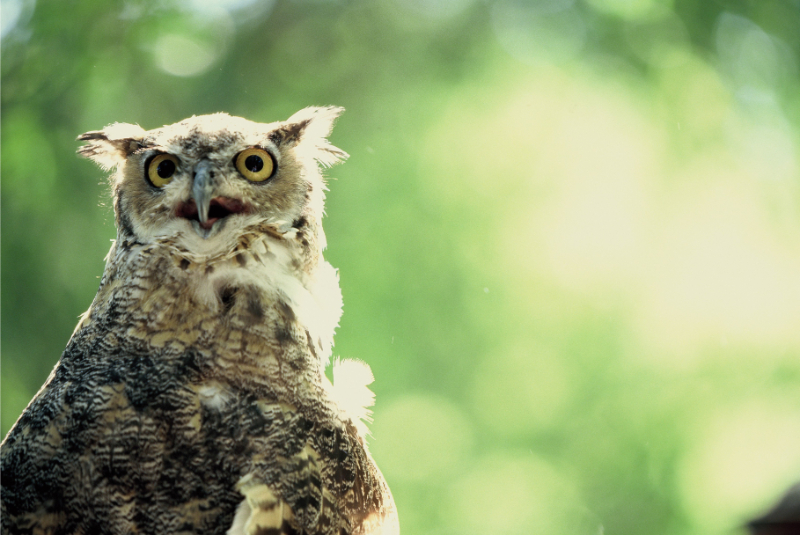
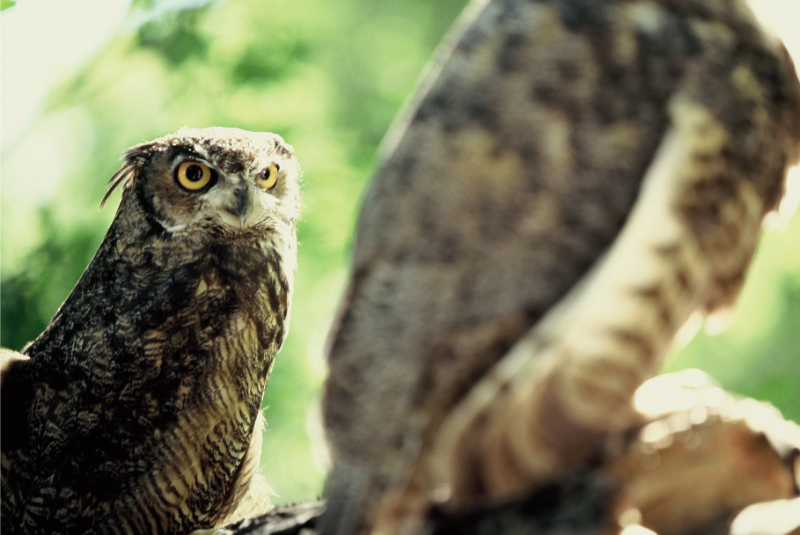
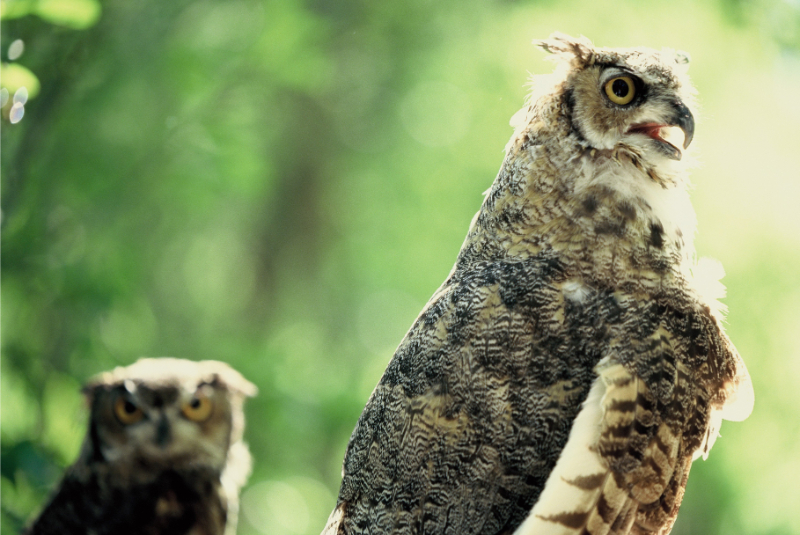
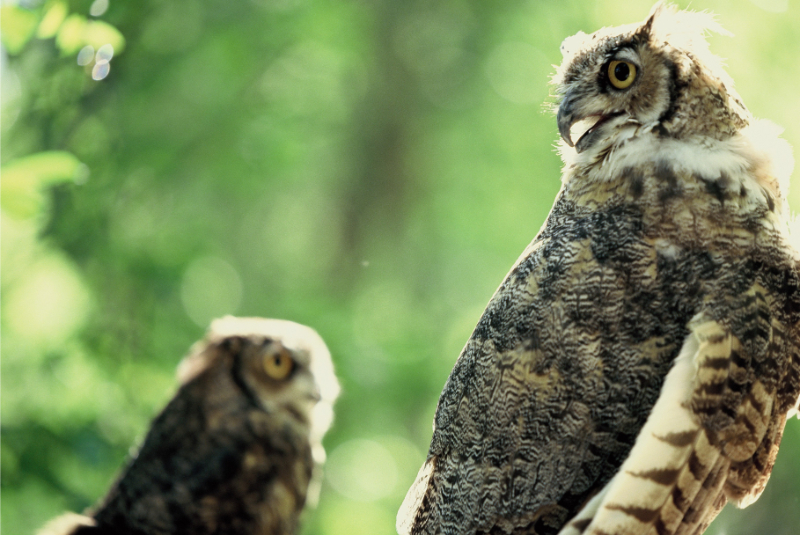
I made a mistake with the great horned owls of listening to our group leader instead of paying attention to my shutter count. I knew there were going to be six species of owl, I knew this was the 5th my group had gotten to, but when the leader accidentally said this was the last set, I went and blew the rest of my roll without thinking. Still, it was a good pair to blow some film on. Everybody in the group went to the opposite side so that the sun was behind them and lighting the birds. I took a few shots on the z6 from that angle; they weren’t good. Seeing immediately the rim light that the sun provided, the way the leaves in the background were lit up, and the even lighting on the owls’ faces when shooting on the shadow side, I knew it was where I wanted to be. No regrets.
Part of my volunteer duties at the Denver Zoo is showing up at the crack of dawn twice a month to help prepare animal diets. I always have my camera on me, just in case I want to do some shooting afterward, but this time I couldn’t help but pull it out on my way to the nutrition center.
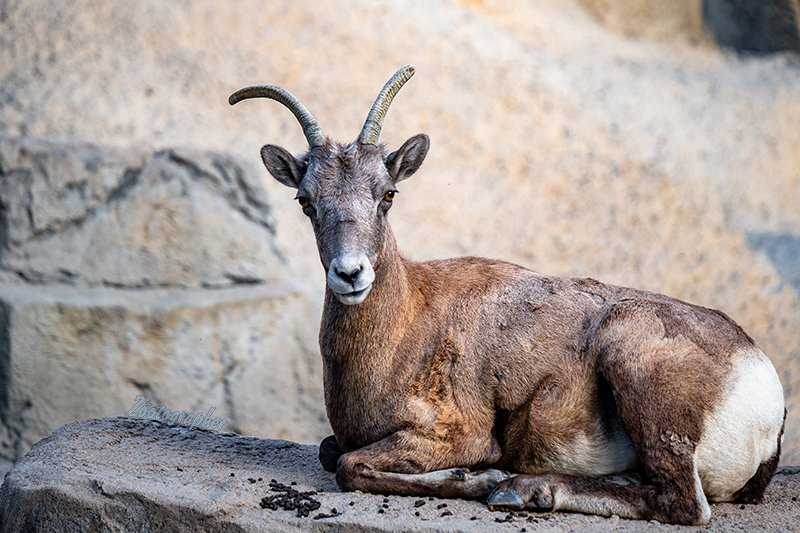
This morning light is utterly beautiful, and these pretty big horn sheep girls are always waiting to say hi to me when I come in. Being the first person they see, they’re more than happy to look right at the camera and pose in this incredible light for a perfect portrait.
While Vlad the Dad is away at the Cheyenne Mountain Zoo, Ursula here is taking care of (not-so) baby (anymore) behind Bird World in Denver.
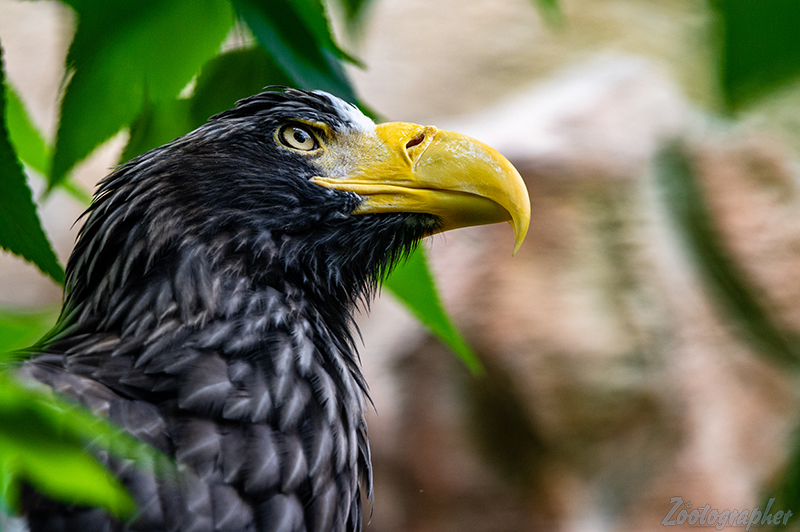
One of the biggest threats to these birds in the wild is overfishing in the north pacific. If you’re a big seafood fan, make sure you’re doing your best to eat sustainable fish. The Monterey Bay Aquarium has a great guide available to help you make the best choices for our feathered friends:
The Chestnut-backed Thrush is a near threatened species that is likely extinct in many of its native homes in the wild. It’s also my favorite small bird. They’re not as well known for their songs as your various larks and grosbeaks, but when they’re in the mood… boy can they sing. I’ve more than once spent 10, 20 minutes in Denver Zoo’s Bird World whistling with one of the two they keep. I’ve caught about six or seven different melodies they’ll sing, all centered around the same base pitch. And they are more than happy to “trade fours”, going back forth with you whistling selections from those melodies.
What I find even more interesting is that I can find no videos showing that same group of melodies being sung. I’m no bird-biologist, but one can’t help but wonder if it’s a set of songs that these two developed on their own, if the songs were passed down, or if their songs change and adapt depending on where and with whom they’re living. I’m curious to know, and if anyone out there really knows the science of bird songs, please comment below.
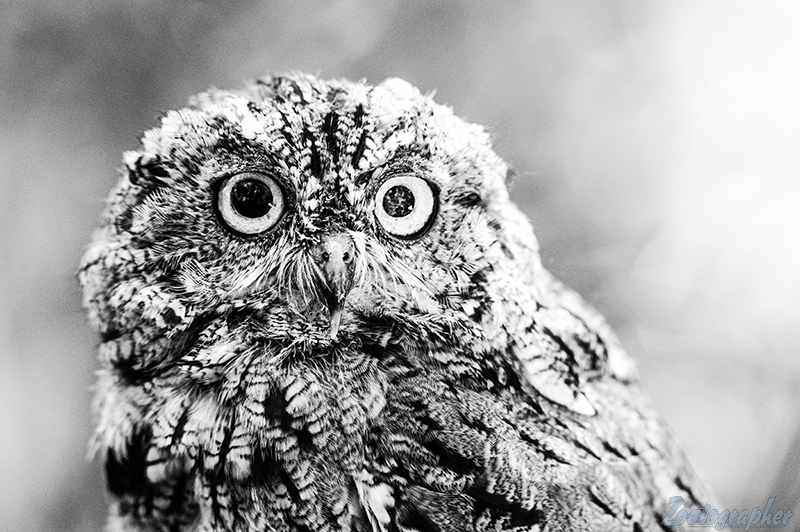
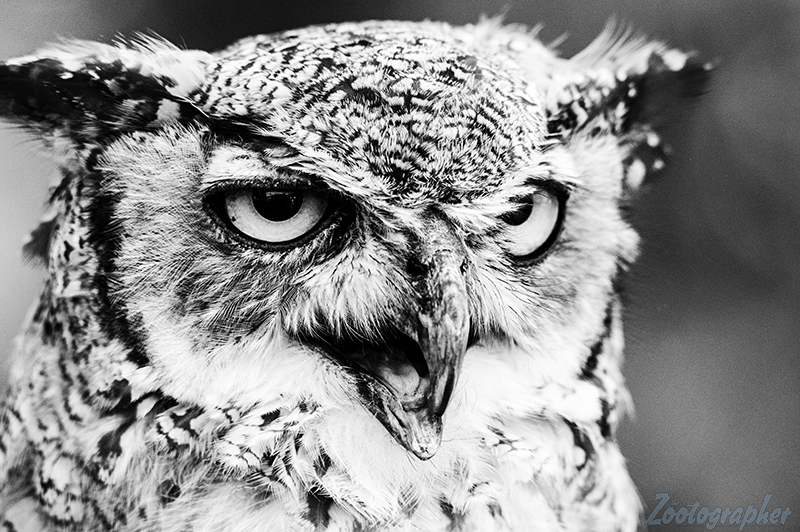
Today, I got to participate in an event with Mike’s Camera and HawkQuest. Master Falconer Kin Quitugua and several of the HawkQuest volunteers brought a number of owls out to Bear Creek Lake Park. It was incredible getting to work with these beauties up close, and to interact with their volunteer handlers who do so much to support raptor conservation.
While I got a lot of great images from these interactions, the six above are being offered as part of a series to help in the mission of HawkQuest. Any purchased prints of these incredible birds will have 20% of their profit donated directly to HawkQuest.
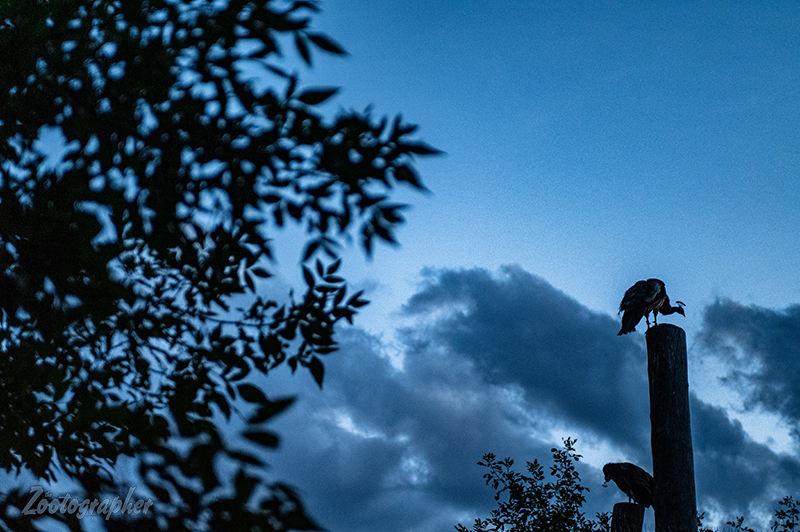
Blue Peafowl at the Denver Zoo. 8/3/2019. Nikon Z6, Nikon 28-70/2.8
Late access to the zoo during certain days or assignments is a perk of volunteering. Even if you’re not a zoo volunteer though, there are many events at most zoos that let you enjoy the various animals at these beautiful twilight hours.
I was shooting photos for the marketing department of one such event when I caught this peacock perched up high against the fading sky. Watch for the direction of the last bits of sun. In this case, the last remnants of light are coming from right of frame, and they’re giving just the tiniest bit of definition to the shape and texture of the peafowl.
 The Zootographer