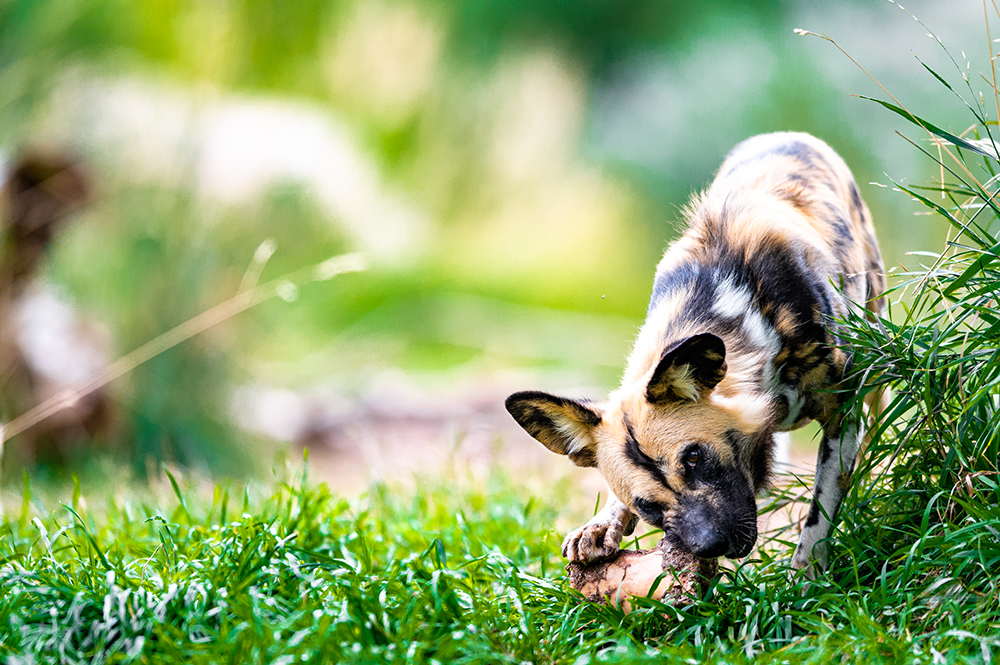
African Wild Dog at the Denver Zoo. 9/6/19. Nikon z6, 400/2.8
Two tips to talk about today. The first is a pretty obvious one: wait for the eyes. This shot would be okay if the dog was looking down at what he was munching on. What makes it great is that while he’s chewing, his eyes are on me.
The second is the grass. That grass looks nice, doesn’t it? It’s lush and green, the kind of grass you want to lay a blanket out on and have a picnic. That’s not what it looked like when the picture started. The sun was bright and the grass looked lime green. Once I went through my normal processing procedure of boosting saturation and tweaking the curves, it looked down right nuclear. Easy fix? Head on down to the HSL section of lightroom and slide the luminance down on that green channel. Instantly your nuclear grass goes green and lush. The Outlaws would be proud.
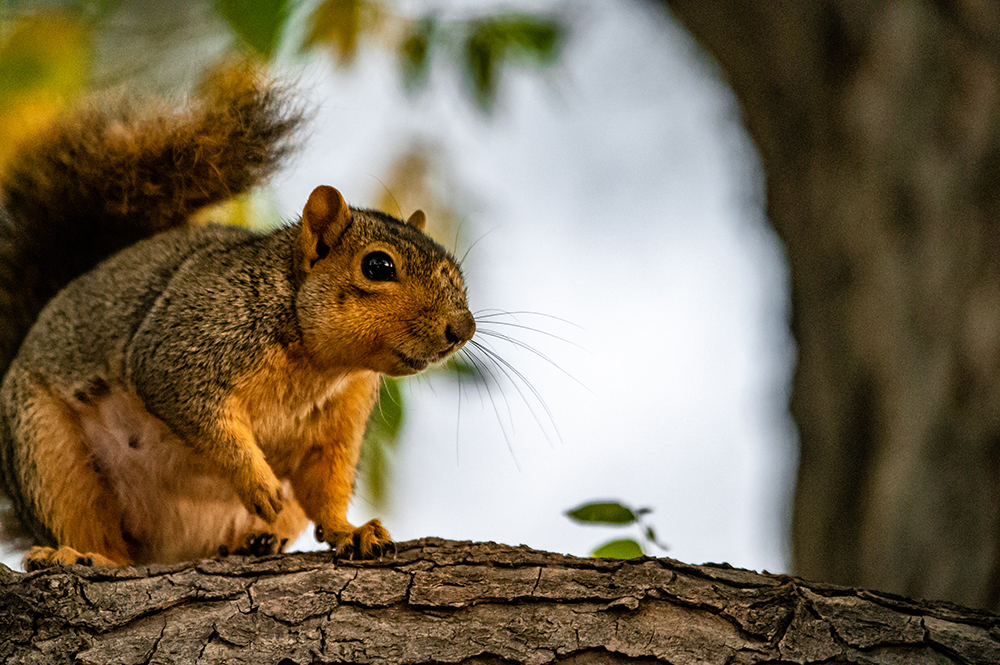
I always carry my camera with me when I’m volunteering at the Denver Zoo. Usually, it’s for the animals who are part of the zoo. But when the morning light shines through a tree just right, a wild fox squirrel makes a pretty decent subject.
The zoo is a pretty subject-rich environment. But just because you have a lot of obvious subjects, don’t stop looking around for the less obvious ones.
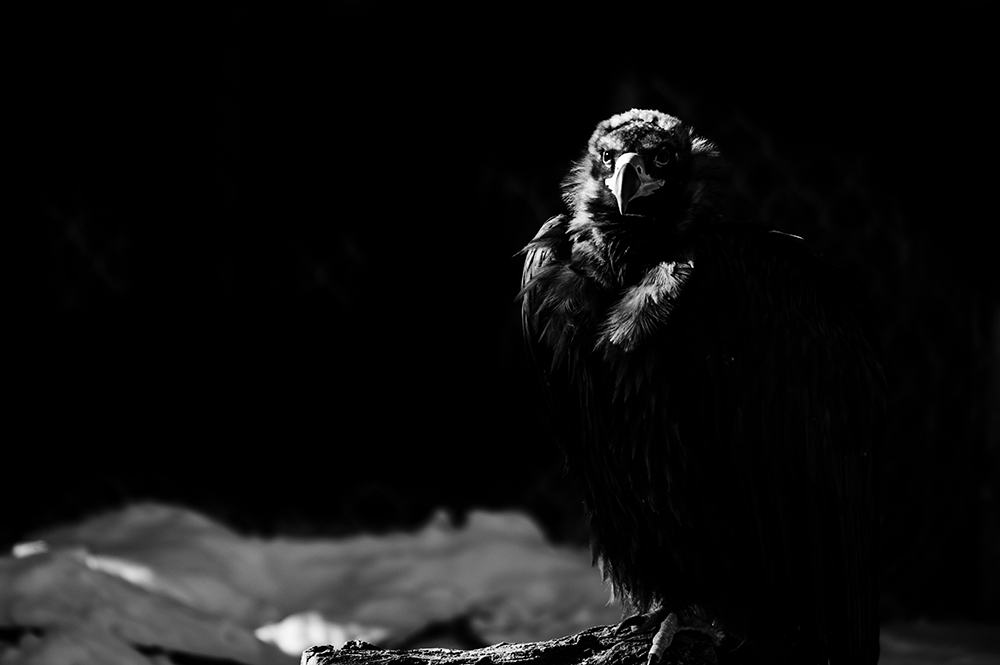
Drogo, Cinereous Vulture at the Denver Zoo. 12/31/19. Nikon z6, 400/2.8
Cloudy days are the best for photographing animals in natural light, but don’t let harsh afternoon sun stop you from trying. You just have to approach it differently. You’re not going to get beautiful evenly lit portraits, but you might get some nice dramatic effects if you can find the right spot.
This kind of thing begs for a black and white treatment. You’re probably already going to be risking blowing out some highlights, so make that work in your favor.
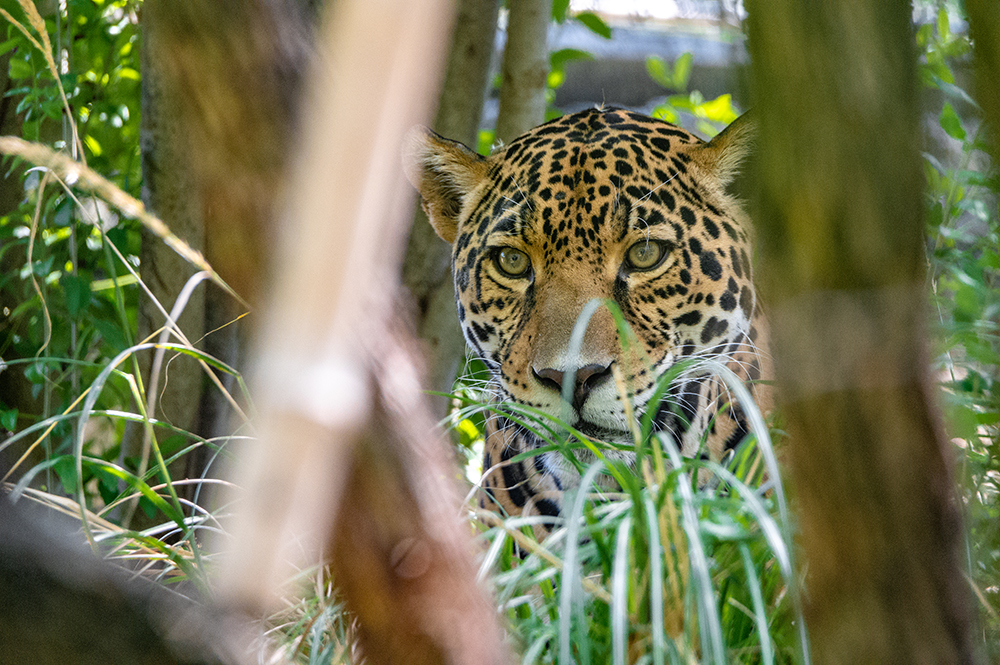
Jaguar at the Fort Worth Zoo. 9/1/19. Nikon z6, Tamron 150-600 g2
One of the normal tricks to impactful zoo photography is hiding the stuff that people are used to seeing, generally the man-made structures. Because of that, you don’t always get the full impact of the animal in its environment. Well here’s a shout out to the Fort Worth Zoo for this killer habitat, filled to the brim with foliage that not only allows this beautiful cat to hide when it wants to, but allows their guests to view the animal in a pretty awesome way, using its camouflage the way it would in the wild.
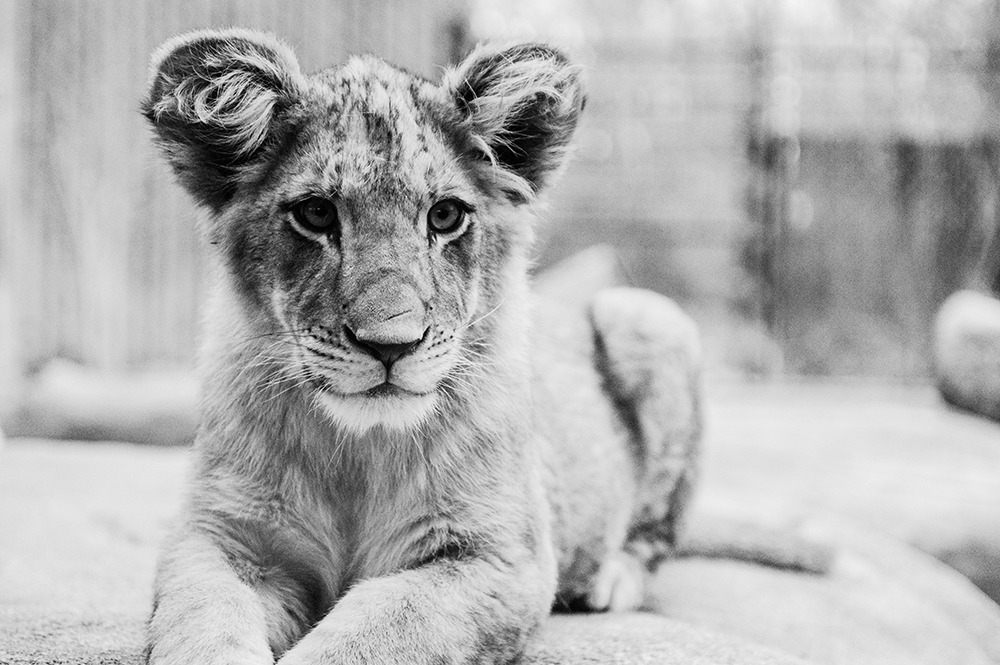
Lion baby Tatu at the Denver Zoo. 1/11/20. Nikon z6, 28-70/2.8
Had a friend from Washington visiting, and decided to take her to the Denver Zoo to do the Flamingo Encounter (by far my favorite Denver Zoo Up-Close Encounter). I’ve got some pictures from that, but the photo I wanted to share of the day was from watching this handsome boy pose for us and interact with the other guests.
He’s not as baby as he used to be. It’s almost as if Disney decided to cut chunks of his adolescence in order to make a better story. I’m sure tomorrow he’ll be an adult with a warthog friend. But boy oh boy is he handsome.
There’s nothing I love more than seeing a member of the animal care staff near a habitat while visiting the zoo. Part of it is that I value my relationships with our care staff at the Denver Zoo, but even more is it means I’m probably about to get a good photo opportunity.
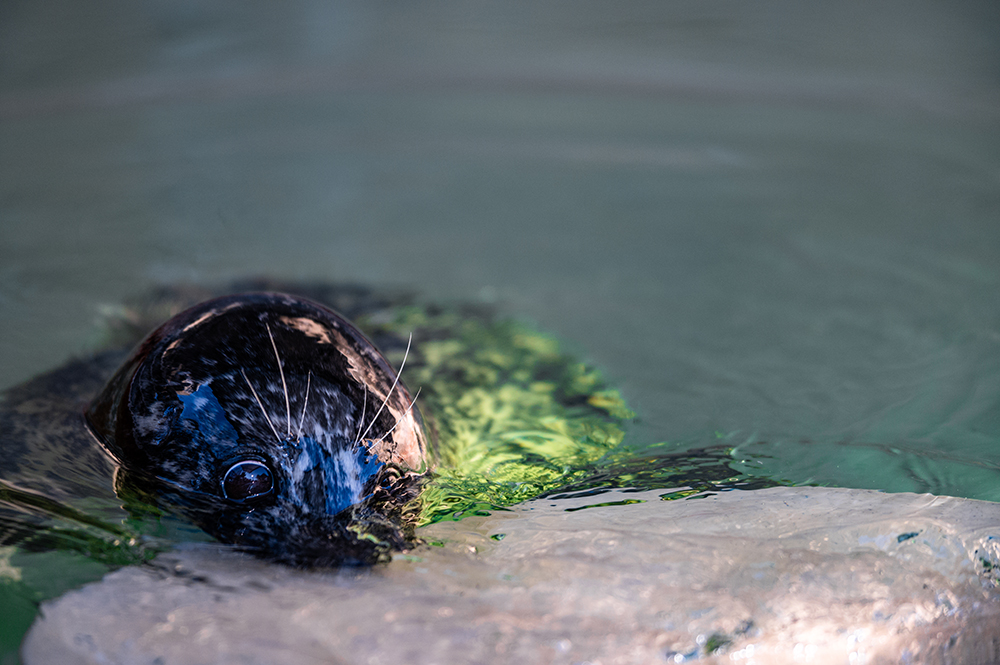
In this case, one of the staff was about to float out a plate of fish for our harbor seals to interact with. Instead of just getting fed, they get to become mentally engaged, solving the puzzle of how to get this fish. Well this guy wanted the fish, but he insisted that he shouldn’t have to solve the puzzle to get it. I watched him swim around for a good 10 minutes pretending that he was just going to get some fish thrown to him. Nope!
Eventually he moved to flip the floating table and get his treats, and I got a cute photo for my patience. Win!
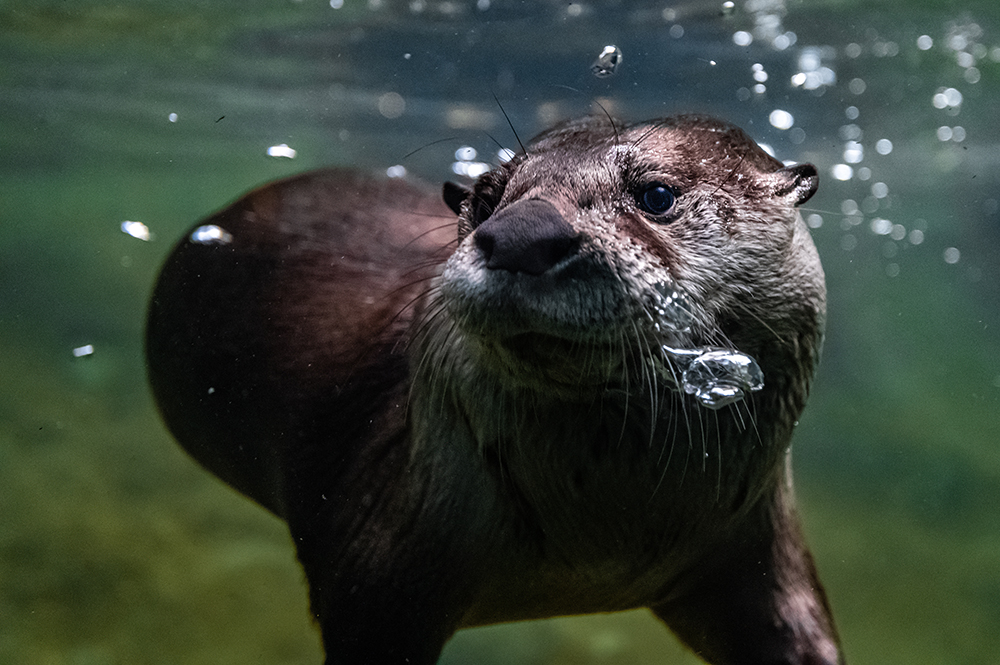
North American River Otter at the Oregon Zoo. 12/16/19. Nikon z6, Nikkor 16-35/f4
For various reasons, I try not to get terribly personal in this blog. This is a place for animals, for photography, and for nature. I’m going to break that a little bit today. Two weeks ago, my paternal grandmother passed away, and last weekend I flew up to Washington State for the memorial service.
There was a long period of life when I didn’t visit the zoo anywhere. I dare say, until my mother talked me into visiting the Denver Zoo in 2018, I don’t think I’d been to a zoo since I took a date to one during my senior year of high school. As a young girl though? It was that grandmother who always had that membership at what was at the time the Washington Metro Park Zoo.
I remember vividly her telling my cousins and me to rub our backs on trees like bears do. I remember the wooden penguin cutouts in the bird building. I remember elephant ears and dropping quarters in that coin-spiral donation box. I remember Packy. I remember seeing the Oregon Symphony while sitting on the grass in their performance area.
Would my trip to the Denver Zoo with my mom have had such an impact if it weren’t for that past? Probably not. Would I be here writing this and sharing the above photo if it weren’t for that? Probably not. My grandmother had a massive impact on my love of nature and wildlife, and a massive amount of that came from the zoo.
I laugh a little bit when I see a zoo post something about a new baby, or a new group of animals coming in from another zoo, because inevitably there’s going to be a comment about zoos being bad for animals, that animals should be free and wild. I have a lot of thoughts on that, and I’ll share them at some point. But the big one is that dollars to doughnuts the person posting it probably got their love for animals as a kid at the zoo. Probably with the parents or grandparents or an aunt or uncle. Even if you ignore SSPs, reintroduction projects, and external conservation efforts, the biggest thing zoos do is create people who will care about animals. And in my case, they did that with the help of my grandmother. Thanks Nana, and here’s an elephant ear for you.
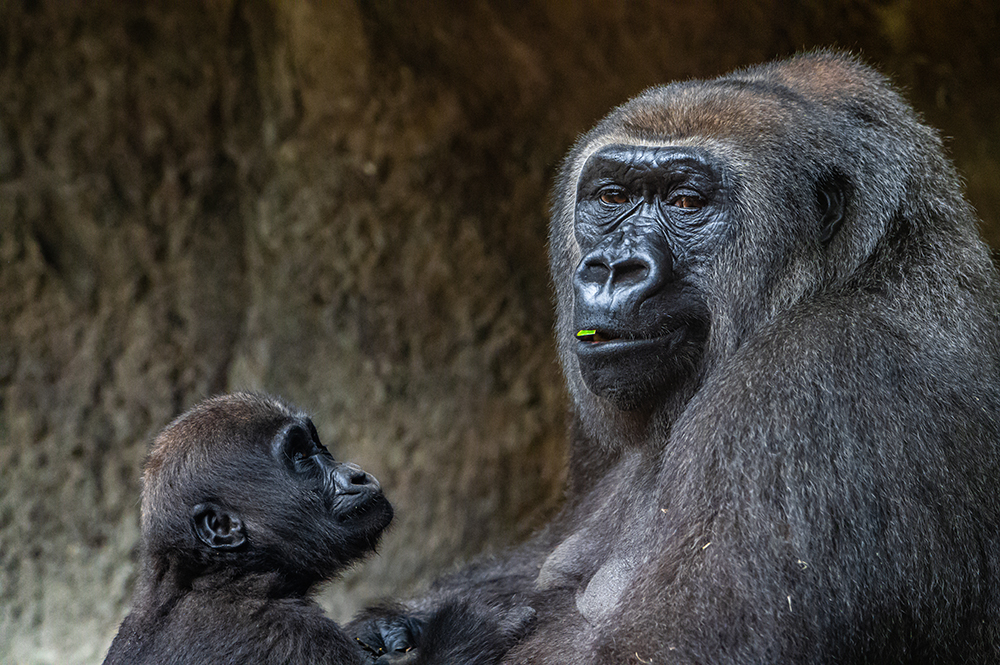
Western Lowland Gorillas at the Dallas Zoo. 8/31/19. Nikon z6, Tamron 150-600 g2
I’ve talked a little bit in the past about Denver Zoo’s behind the scenes and up-close encounters. A lot of zoos do them, and last August I participated in Dallas Zoo’s Backstage Safari. If you are visiting the Dallas Zoo, it’s a must-do. If you live in the area, it’s a real easy gift for an animal lover in your life.
It starts off with them roping off their gorilla training area for just your group so that you can participate in a target training session. Afterwards, you get to go behind the scenes in one of their hoofstock barns and feed and interact with an okapi. Then you get to go to a private show area and get introduced to a not insignificant number of their ambassador animals. I got to meet their flamingos, a cape porcupine, a monitor, and (I think) there was one other. I’ve even heard rumor that their ambassador cheetah sometimes makes an appearance!
It was during the first part of this that I caught this beautiful moment between mama and baby. While another guest was target training with dad, I had the Tamron out and just fell in love with the interactions these two were having. It also serves as a nice lesson: just because there’s something awesome happening 3 feet from you, it doesn’t mean you shouldn’t keep an eye on the rest of the area. You might find something beautiful.
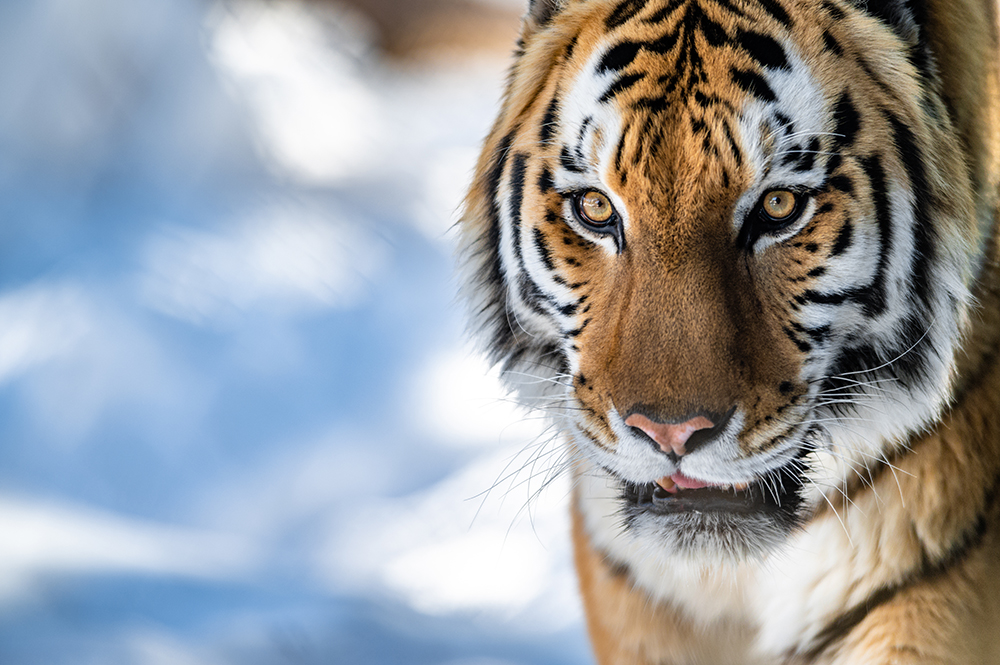
Amur Tiger Yuri at the Denver Zoo. 12/1/19. Nikon z6, 400/2.8
Over on the instagram, I shared a picture from my trip to the Riverside Discovery Center in Scottsbluff of their Amur Tiger. It was a beautiful shot that made me utterly lament that I still hadn’t gotten one quite as good of my tigers at home at the Denver Zoo. Well last weekend, I took a snow-day trip and Yuri delivered his end of the photo bargain. The Nikon z6 and the 400/2.8 did their jobs, and I did mine. The three of us together? Knocked it out of the park.
Visiting The Edge exhibit where Yuri lives on a snow day is quite an experience if he or Nikita are up and about. Usually the snow keeps the crowds away. The other thing it keeps away is ambient noise; snow absorbs a ton of it. So when Yuri is four feet from you, you get to hear the crunch of his paws on the snow. You get to hear his breathing. You get to experience his presence in a completely different way than normal. Short of being eaten by one, you’re unlikely to ever feel closer to a tiger than that.
 The Zootographer